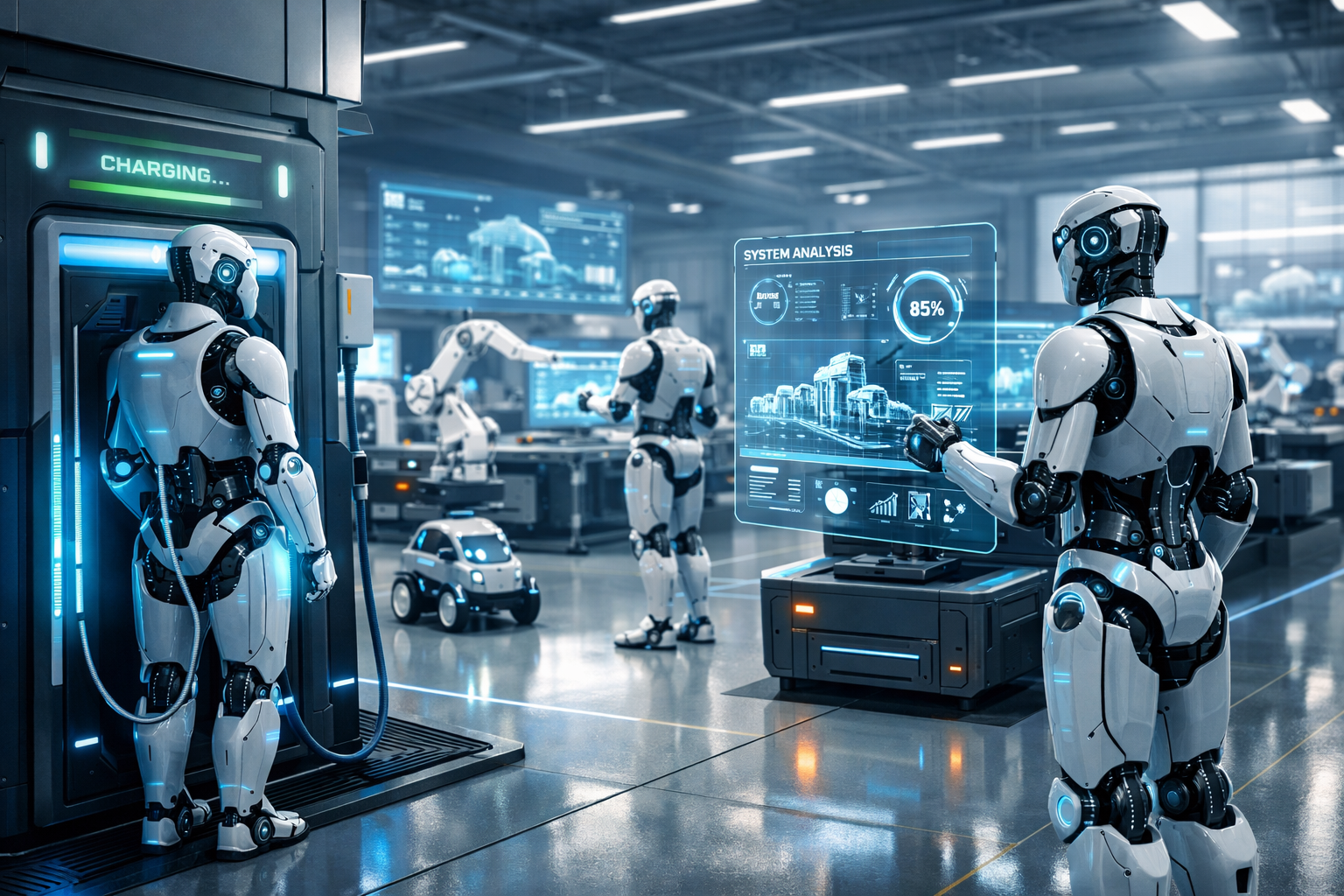
Robots are no longer just machines that follow fixed instructions. A new generation of self-sustaining robotic systems is emerging — machines that manage themselves, charge their own batteries, detect problems early, and keep working with minimal human involvement. These systems are reshaping how industries operate and what businesses can achieve with automation.
What Are Self-Sustaining Robotic Systems?
Self-sustaining robotic systems are advanced robots built to operate for extended periods without constant human supervision. Unlike older machines that need regular manual checks, these robots are designed to handle their own upkeep.
Key capabilities of self-sustaining robots include:
- Automatic battery charging: When power runs low, the robot navigates to a charging station and resumes work on its own.
- Self-monitoring: Built-in sensors track performance in real time and flag issues before they become breakdowns.
- Adaptive behaviour: The robot adjusts its actions based on changes in the environment or task requirements.
- Predictive maintenance: Using data analysis, these robots can predict when a component might fail and take preventive action.
This combination of features makes them far more reliable and efficient than traditional robotic systems.
How Do These Robots Actually Work?
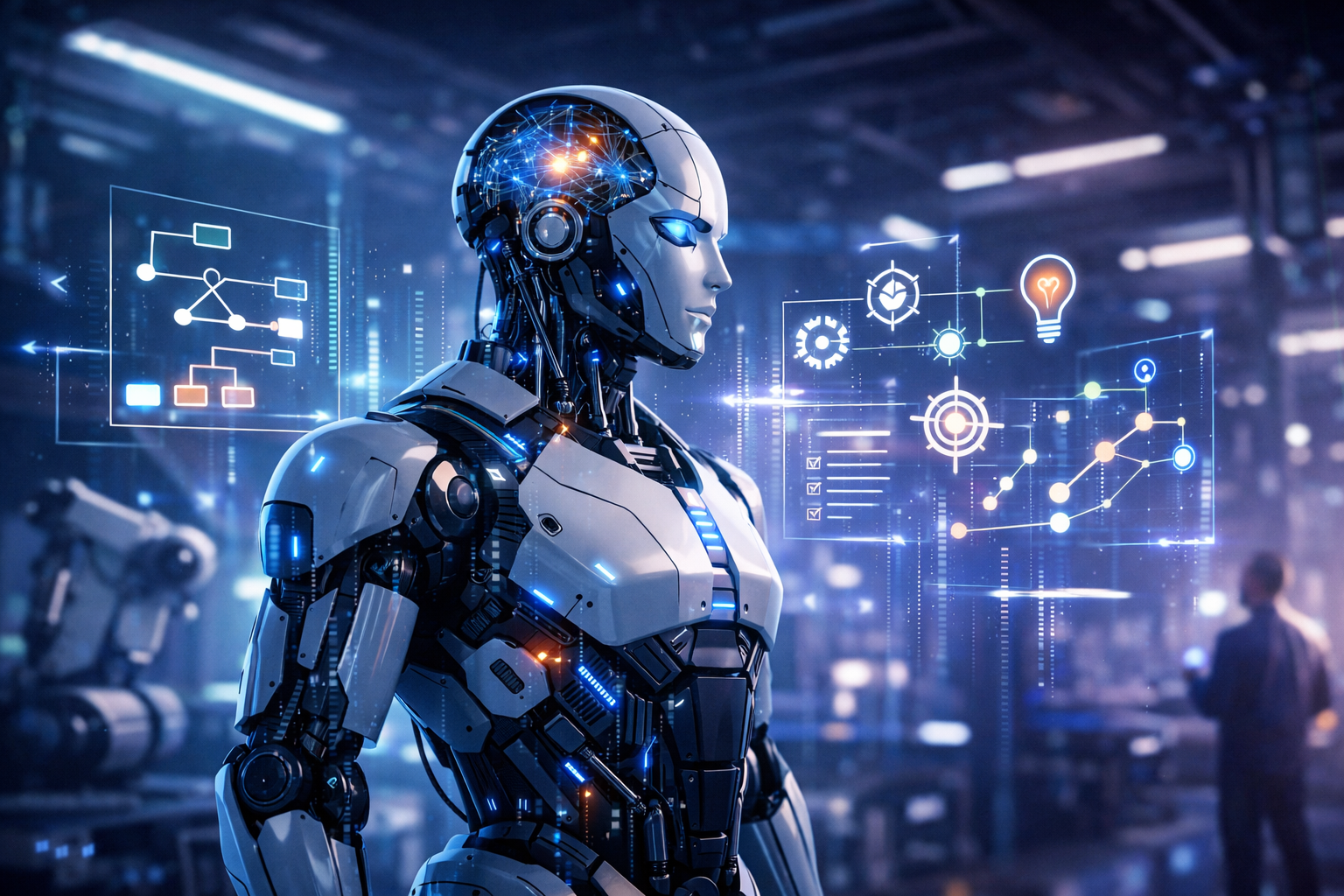
The intelligence behind self-sustaining robots comes from a combination of artificial intelligence, advanced sensors, and smart software. Together, these technologies allow the robot to understand its surroundings, make decisions, and improve over time.
Sensors collect data about the robot’s environment — temperature, obstacles, battery levels, and task progress. The AI processes this data and decides the best course of action. Over time, the system learns from past experiences and becomes more accurate and efficient.
When a robot detects that its battery is running low, for example, it does not wait for a human to intervene. It calculates the nearest charging point, moves there, recharges, and returns to its task — all without any human input.
Traditional Robots vs Self-Sustaining Robots
To understand how significant this shift is, it helps to compare both types directly:
| Feature | Traditional Robots | Self-Sustaining Robots |
|---|---|---|
| Human supervision needed | Frequent | Minimal |
| Maintenance | Manual and scheduled | Automated and predictive |
| Adaptability | Limited | High |
| Downtime | Higher | Significantly lower |
| Operating hours | Limited by human shifts | Continuous, 24/7 |
Where Are Self-Sustaining Robots Being Used?
Industries across the world are already deploying these systems to improve output and reduce costs. Some of the most active sectors include:
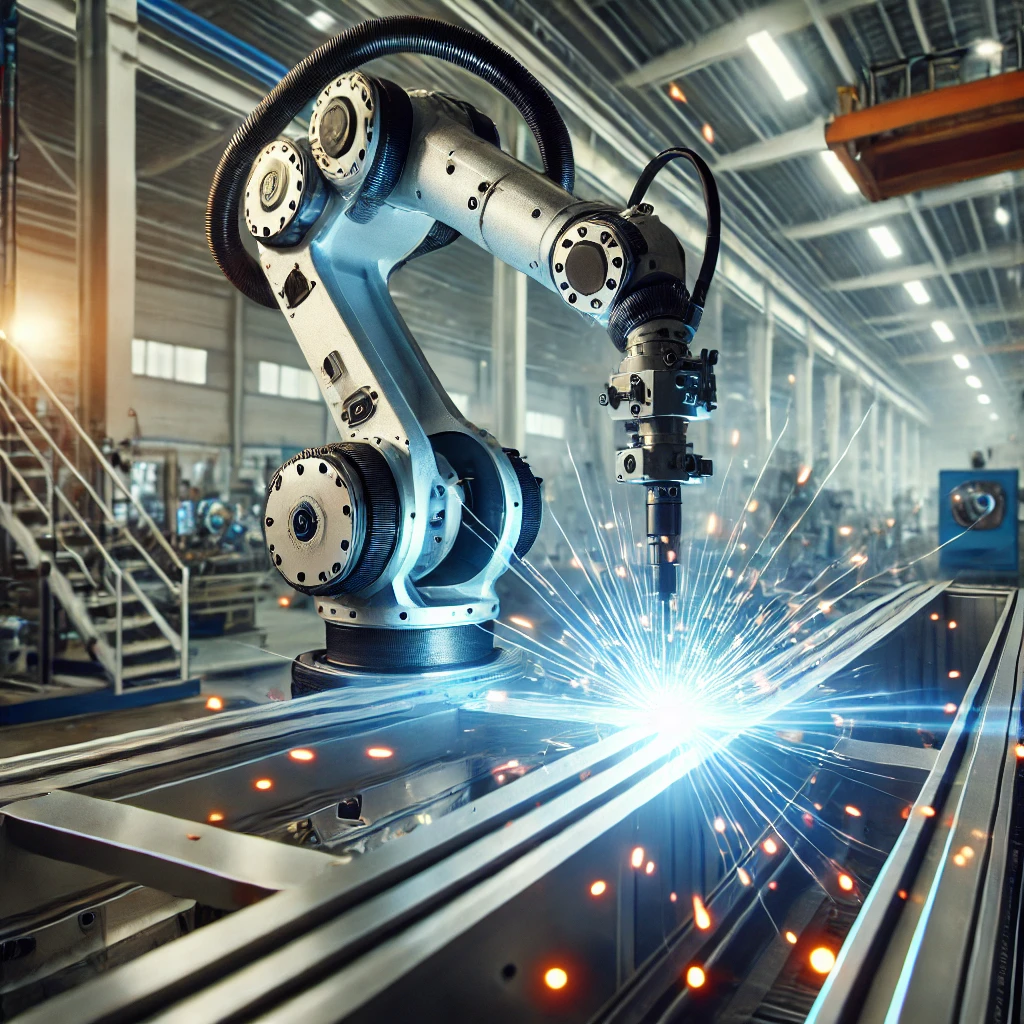
- Manufacturing: Self-sustaining robots keep production lines running continuously, reducing idle time and improving throughput.
- Warehousing and logistics: Companies use autonomous robots to sort, move, and manage inventory around the clock without human workers needing to be present at every step.
- Agriculture: These robots monitor crop health, assist with harvesting, and carry out maintenance tasks day and night, helping farmers manage large areas more effectively.
- Healthcare and cleanrooms: Robots that can self-sanitise and self-monitor are being explored for use in sterile environments where human presence must be limited.
The common thread across all these applications is the ability to operate continuously and independently, which directly translates into cost savings and higher productivity.
Business Benefits and the Role of AI
For businesses, the appeal of self-sustaining robotic systems is clear. These machines reduce dependence on large human workforces for repetitive or hazardous tasks, lower operational costs, and improve workplace safety by keeping humans away from dangerous environments.
Artificial intelligence is the backbone of this capability. AI allows robots to:
- Learn from operational data and improve decision-making over time
- Predict equipment failures before they happen
- Handle complex, multi-step tasks without step-by-step human instruction
- Respond to unexpected changes in the environment without stopping work
As AI models become more sophisticated and energy-efficient hardware improves, the performance gap between human-supervised robots and fully autonomous systems will continue to narrow.
What the Future Holds for Autonomous Robotics
The trajectory for self-sustaining robotic systems points strongly upward. Advances in energy storage, edge computing, and AI are expected to make these robots faster, smarter, and cheaper to deploy. In the coming years, they are likely to become a standard feature of smart factories and fully automated supply chains.
Governments and private companies in countries including India, the United States, China, Japan, and Germany are investing heavily in robotics research and automation infrastructure. This global push means the technology will mature quickly and reach more industries sooner than many expect.
In conclusion, self-sustaining robotic systems represent a major step forward in industrial automation. By combining AI, smart sensors, and adaptive software, these robots can work longer, smarter, and more safely than anything that came before. For businesses willing to invest in this technology, the long-term gains in efficiency, safety, and cost savings are substantial.