Artificial Intelligence has come a long way, but most systems still struggle with one major challenge — they can learn from data, but they cannot always explain their decisions. Neurosymbolic AI is a promising approach that bridges this gap by combining two powerful methods: neural networks and symbolic reasoning. The result is a smarter, more trustworthy AI that can both learn and think logically.
What Is Neurosymbolic AI?
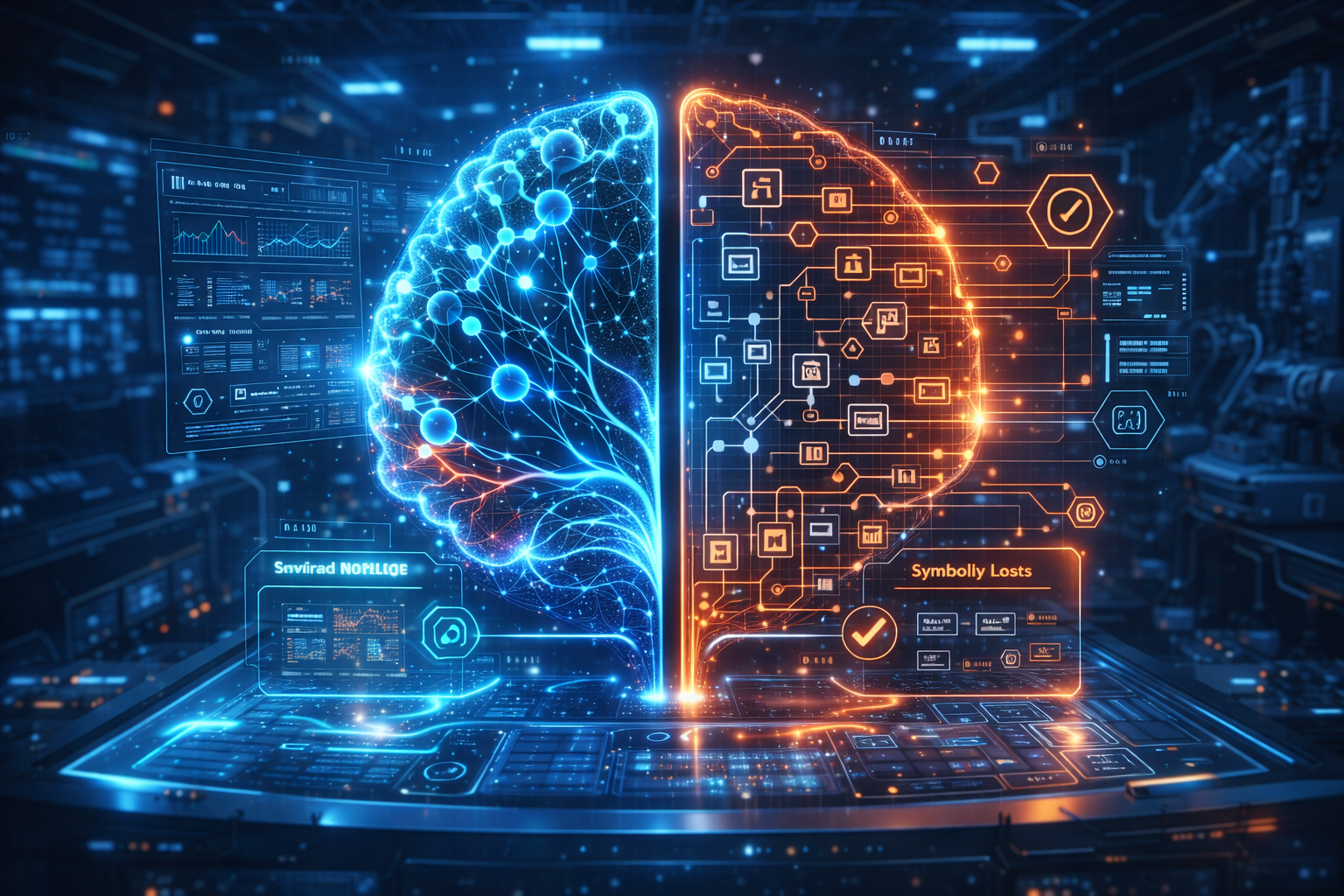
Neurosymbolic AI is a hybrid approach that merges two distinct techniques in building intelligent systems.
- Neural networks allow computers to learn from large volumes of data — such as images, text, and voice — by identifying patterns automatically.
- Symbolic reasoning uses structured rules and logic, similar to how humans solve problems step by step.
On their own, each method has clear limitations. Neural networks are powerful learners but often act like a black box — they give results without explaining why. Symbolic reasoning is transparent and logical, but it struggles with messy, real-world data like photographs or natural language.
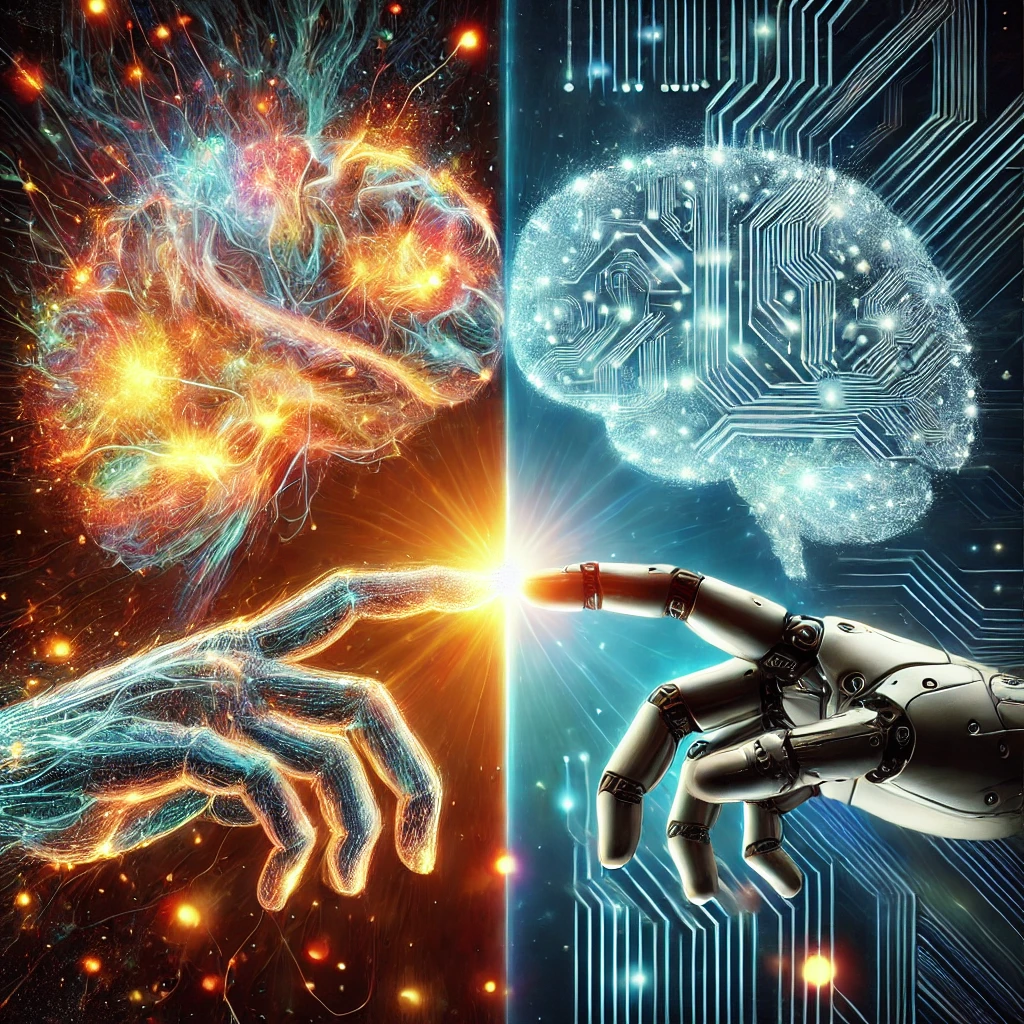
Neurosymbolic AI brings both together so machines can learn from data and reason logically at the same time.
How Neural Networks and Symbolic Reasoning Differ
To understand why this combination matters, it helps to see how each method works on its own.
| Feature | Neural Networks | Symbolic Reasoning |
|---|---|---|
| Learning from data | Very strong | Weak |
| Logical rule-following | Weak | Very strong |
| Explainability | Low | High |
| Handling messy data | Excellent | Poor |
| Trust in critical systems | Moderate | High |
A symbolic system might follow a rule like: If a traffic light is red, stop. Or: If a patient shows certain symptoms, follow specific medical guidelines. These rules are easy to understand, but they cannot handle complex visual or language-based inputs on their own.
How Neurosymbolic AI Works in Practice
The process in a neurosymbolic system typically follows two stages:
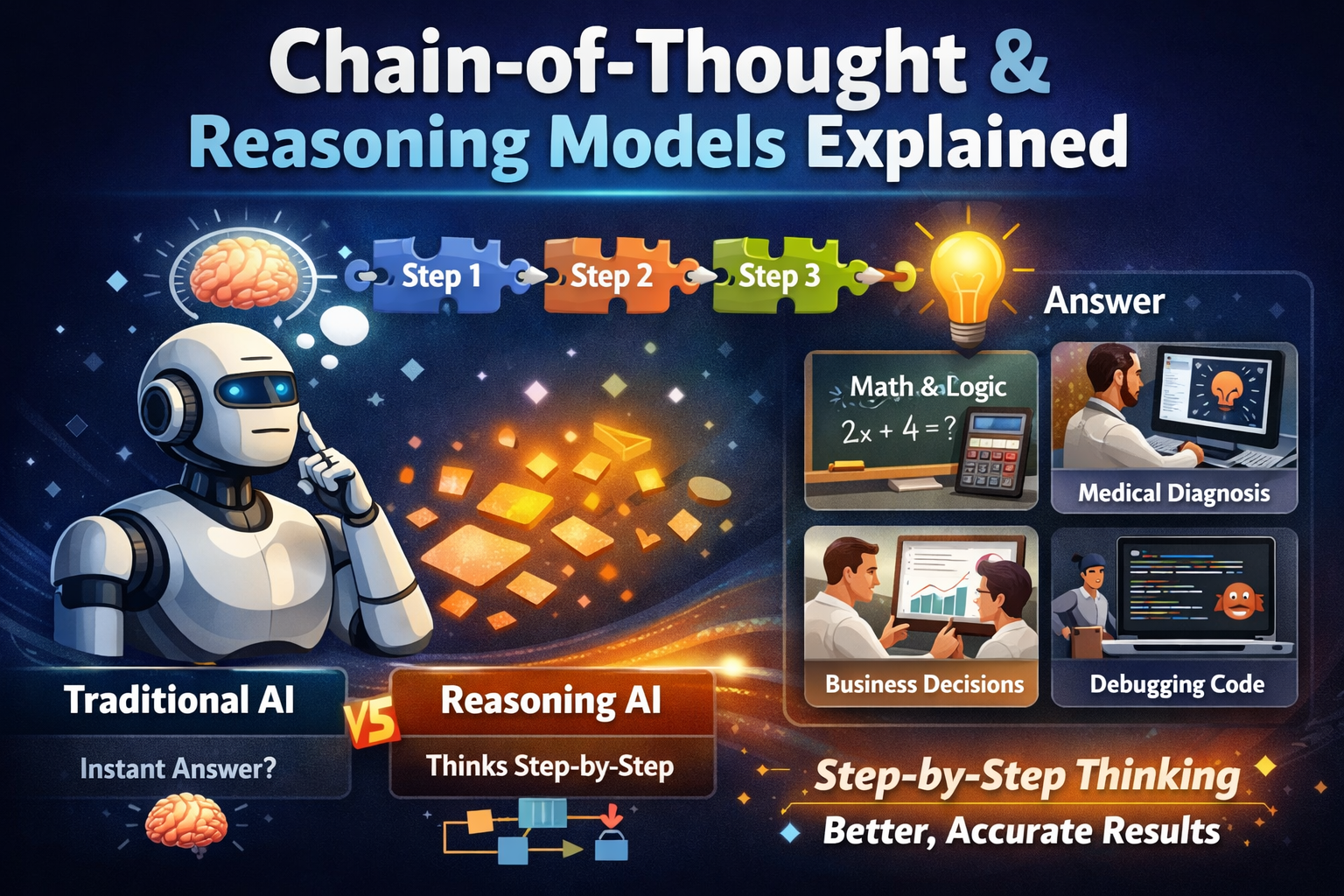
- First, the neural network processes raw data — images, speech, or text — and identifies patterns or objects.
- Then, the symbolic reasoning layer applies logical rules to those findings and decides what action to take.
A self-driving car is a clear example of this in action:
- The neural network identifies objects on the road — cars, pedestrians, traffic signs.
- The symbolic system then applies traffic rules to determine the correct response — slow down, stop, or change lanes.
This two-step process improves both accuracy and safety, especially in situations where a wrong decision could have serious consequences.
Real-World Applications Across Industries
Neurosymbolic AI is already finding use across several high-stakes fields:
- Healthcare: AI can analyse medical scans using neural networks and then apply established medical guidelines through symbolic rules to reduce diagnostic errors.
- Finance: Systems can process large financial datasets while strictly following regulatory compliance rules.
- Robotics: Machines learn from experience in the field but still operate within defined safety boundaries.
- Legal and compliance: AI can review documents and flag issues based on both learned patterns and fixed legal rules.
These applications are gaining traction because they offer something most current AI systems cannot — reliability with explanation.
Key Benefits and the Road Ahead
The advantages of neurosymbolic AI go beyond just accuracy. Here is what makes this approach stand out:
- Better reasoning ability — the system does not just guess, it thinks through problems logically.
- Clearer explanations — users can understand why a decision was made, which builds confidence.
- Improved safety — especially critical in healthcare, transportation, and legal systems.
- Fewer unexpected errors — logical checks reduce the risk of harmful or nonsensical outputs.
- Stronger user trust — transparent systems are easier to adopt in regulated industries.
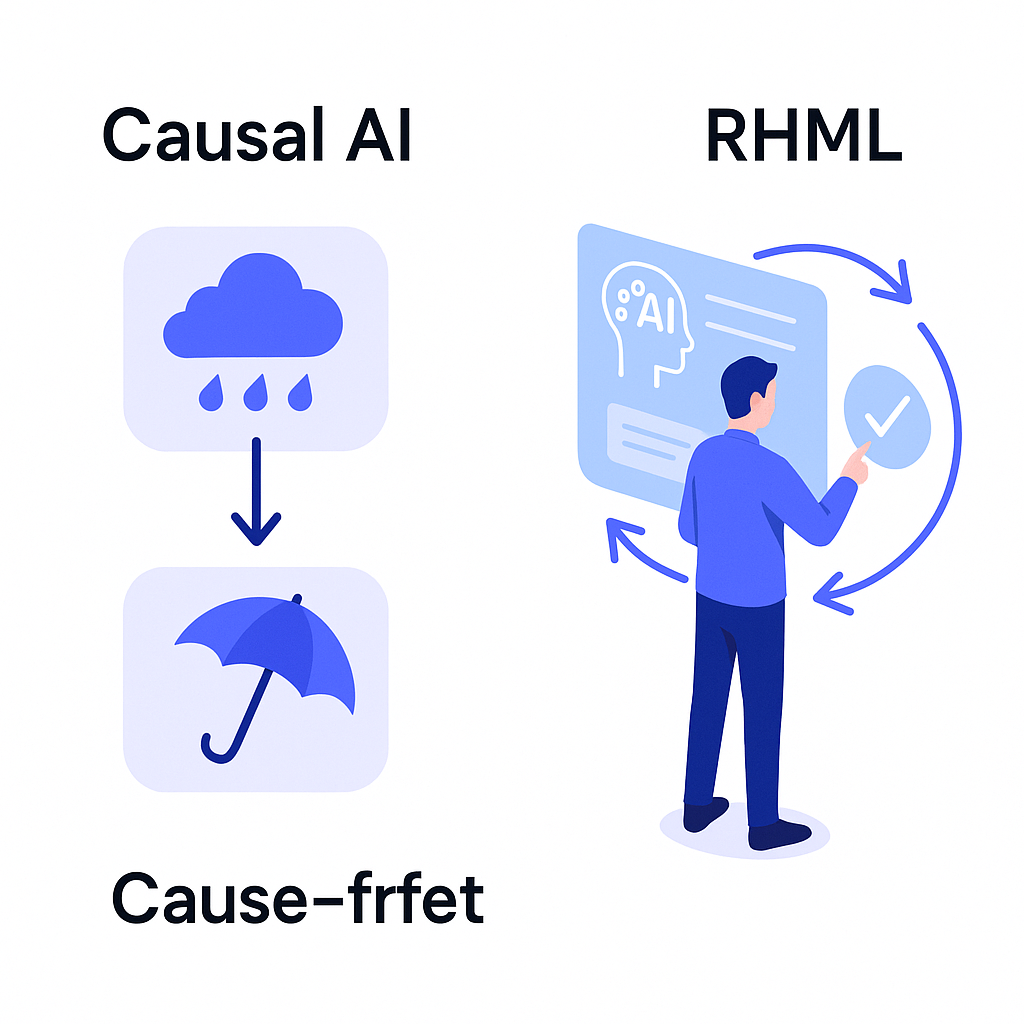
Researchers working on next-generation AI believe this approach could help machines understand cause and effect, follow complex logical chains, and communicate their reasoning in plain language. As AI becomes more deeply embedded in daily life — from hospitals to highways — systems that are both intelligent and understandable will be essential, not optional.
Neurosymbolic AI represents a significant step toward building machines that do not just process information, but genuinely reason through it — much like humans do.