
Cognitive computing is one of the most significant advances in artificial intelligence today. It goes beyond simple rule-based programming to mimic how the human brain processes information, learns from experience, and makes decisions. From hospitals to banks to retail stores, cognitive computing is quietly reshaping how industries operate and how people interact with technology.
What Is Cognitive Computing?
Cognitive computing is a branch of artificial intelligence designed to simulate human thought processes. Unlike traditional computer systems that follow fixed instructions, cognitive systems can process large volumes of unstructured data — including text, images, speech, and video — and extract meaningful insights from it.
These systems combine several technologies to function effectively:
- Artificial Intelligence (AI) — for intelligent reasoning and problem-solving
- Machine Learning (ML) — for learning patterns from data over time
- Natural Language Processing (NLP) — for understanding and generating human language
Together, these technologies allow cognitive systems to interact with humans naturally and improve their performance as they process more data.
How Cognitive Computing Systems Actually Work
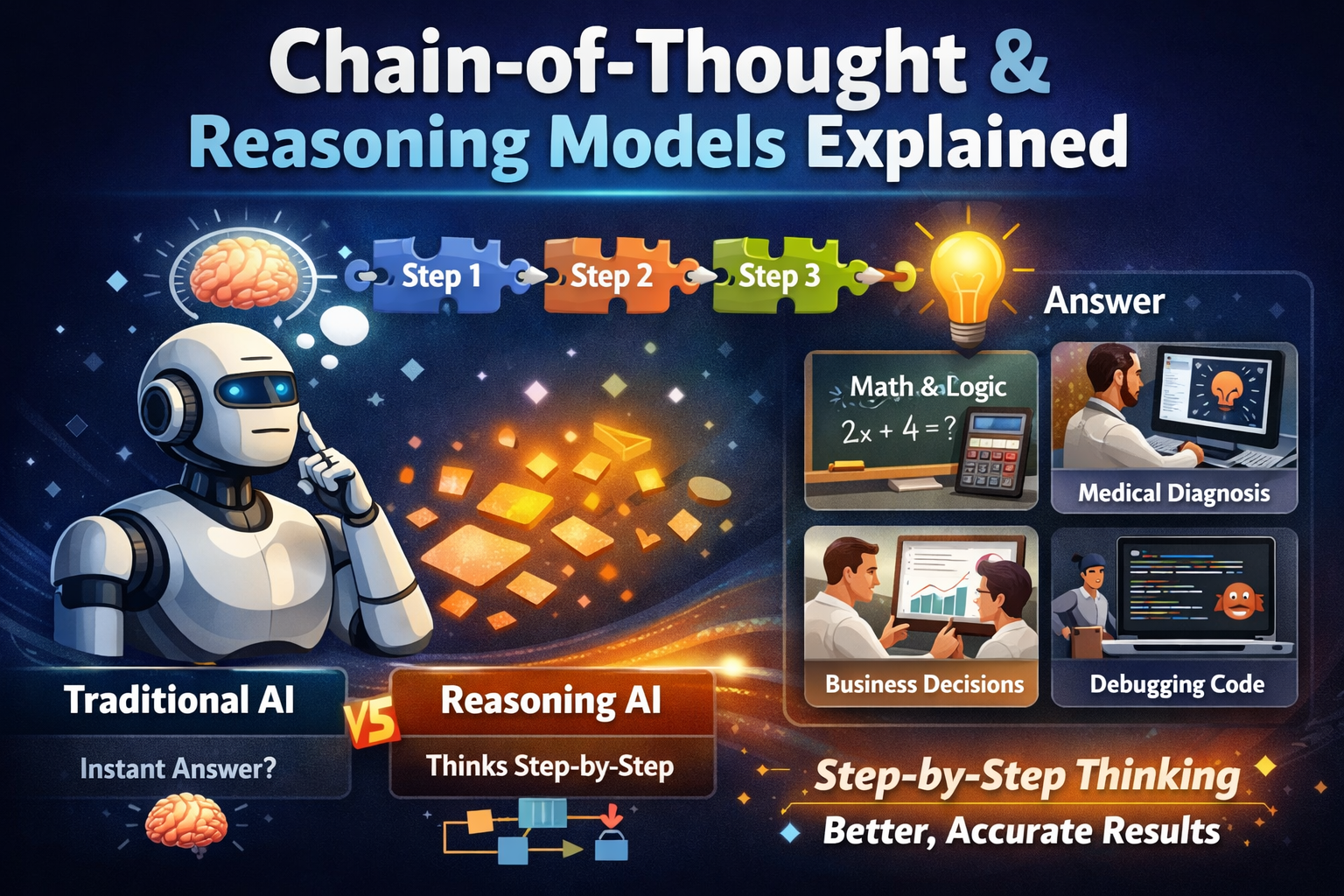
Cognitive computing systems follow a cycle of understanding, reasoning, learning, and interacting. Here is how each step works in practice:
- Data Interpretation: These systems can read and make sense of different data types — written text, spoken words, images, and video. They extract context and meaning much like a human analyst would.
- Decision-Making: After processing data, cognitive systems evaluate multiple factors simultaneously and suggest the best course of action. This makes them valuable in fast-moving environments where accurate decisions matter.
- Continuous Learning: Cognitive systems improve with every interaction. As they encounter more data, they become better at recognising patterns, predicting outcomes, and refining their responses.
- Human Interaction: These systems are built to communicate naturally with people. Through chatbots, virtual assistants, and conversational interfaces, they provide helpful, context-aware responses that improve user experience.
Real-World Applications Across Industries
Cognitive computing is already making a measurable difference across several sectors. Here are some key examples:
- Healthcare: Cognitive systems help doctors analyse large medical datasets to improve diagnosis and treatment planning. IBM Watson, for instance, is used in oncology to suggest treatment options for cancer patients based on vast medical literature and patient records.
- Finance: Banks and financial institutions use cognitive computing to assess risk, detect fraud, and deliver personalised financial advice. These systems analyse market trends, customer behaviour, and historical data to generate actionable insights.
- Retail: Retailers use cognitive tools to understand shopping behaviour and preferences. This enables personalised product recommendations, smarter advertising, and better inventory management.
- Customer Service: Many companies now deploy intelligent chatbots powered by cognitive computing to handle customer queries, resolve issues, and offer suggestions — reducing wait times and improving satisfaction.
| Industry | Cognitive Computing Use Case | Key Benefit |
|---|---|---|
| Healthcare | Treatment recommendation (e.g., IBM Watson) | Faster, more accurate diagnoses |
| Finance | Fraud detection and risk analysis | Reduced financial losses |
| Retail | Personalised shopping experiences | Higher customer engagement |
| Customer Service | AI-powered chatbots | Faster query resolution |
Key Benefits and Challenges
Cognitive computing offers clear advantages for businesses and individuals, but it also comes with real challenges that organisations must address.
Benefits:
- Better Decision-Making: By processing complex datasets quickly, cognitive systems give businesses deeper insights that lead to smarter strategic choices.
- Increased Efficiency: Automating routine tasks and delivering real-time insights helps companies reduce manual workloads and speed up operations.
- Personalised Experiences: Whether in healthcare, retail, or customer service, cognitive systems tailor interactions to individual preferences, boosting satisfaction and loyalty.
- Scalability: These systems handle growing volumes of data without requiring proportionally more resources, making them cost-effective as businesses expand.
Challenges:
- Data Privacy: Cognitive systems process sensitive personal data, making strong privacy protections and regulatory compliance essential.
- Technical Complexity: Building and maintaining these systems requires specialised expertise in AI, machine learning, and data science — a barrier for many smaller organisations.
- Bias in Training Data: If the data used to train cognitive systems contains bias, the outputs can be unfair or inaccurate. This is a serious concern in areas like hiring, lending, and medical diagnosis.
The Future of Cognitive Computing
As AI, machine learning, and natural language processing continue to advance, cognitive computing systems are becoming more powerful, accessible, and accurate. Industries from healthcare to autonomous vehicles are expected to rely more heavily on these systems in the years ahead.
In the near future, cognitive computing is likely to become a standard part of everyday business operations. Companies that adopt these tools early will be better positioned to make smarter decisions, deliver superior customer experiences, and stay competitive in a data-driven world. The technology is not just a trend — it represents a fundamental shift in how machines and humans work together.
As adoption grows and the technology matures, cognitive computing will play an increasingly central role in shaping the digital economy across India and globally.