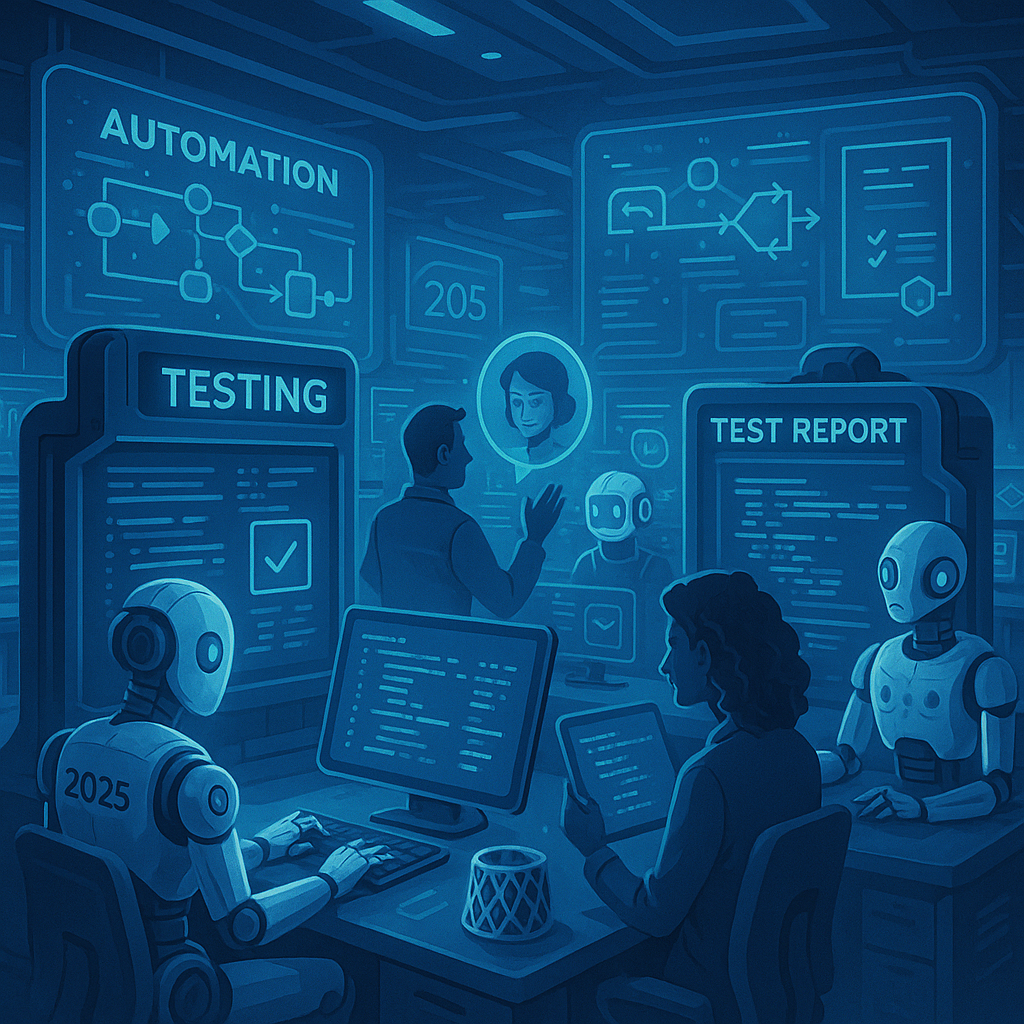
Software testing has always been a critical part of building reliable applications. But as apps grow larger and release cycles get shorter, manual testing simply cannot keep pace. In 2025, automated software testing is no longer optional — it is a core part of how modern development teams ship quality products faster and with fewer bugs.
What Is Software Test Automation?
Software test automation means using tools and scripts to run tests on your application automatically, without a human clicking through every step manually. Instead of a tester checking the login page or the checkout form by hand each time, a script does it in seconds.
These scripts simulate real user actions — filling forms, clicking buttons, and verifying results. Once written, they can be run hundreds of times without any extra effort. This makes them especially valuable when your codebase changes frequently.
Popular tools used for this purpose include:
- Selenium – One of the oldest and most widely used browser automation frameworks.
- Cypress – A modern tool built specifically for testing web applications with a developer-friendly setup.
- Playwright – A newer framework from Microsoft that supports multiple browsers and is gaining rapid adoption.
Why Automated Testing Matters More Than Ever in 2025
Development teams today are under constant pressure to release new features quickly. In this environment, manual testing creates a bottleneck. Automated testing directly addresses this challenge in several important ways:
- Saves time – Tests that would take hours manually can finish in minutes with automation.
- Reduces costs – Fewer repetitive manual tasks means your team can focus on higher-value work.
- Catches bugs early – Automated tools detect issues before they reach end users, protecting your product’s reputation.
- Supports faster releases – Teams can push updates confidently when tests run automatically after every code change.
As software products become more complex, the case for automation only gets stronger. Companies that invest in it now will have a clear advantage in speed and reliability.
Step-by-Step Guide to Start Automating Your Tests
Getting started with test automation does not have to be overwhelming. Follow these practical steps to build a solid foundation:
- Step 1 – Choose the right tools: Start with tools like Selenium, Cypress, or Playwright based on your tech stack and team experience. Each has strong community support and good documentation.
- Step 2 – Begin with critical test cases: Do not try to automate everything at once. Focus first on high-priority flows like user login, registration, and checkout processes.
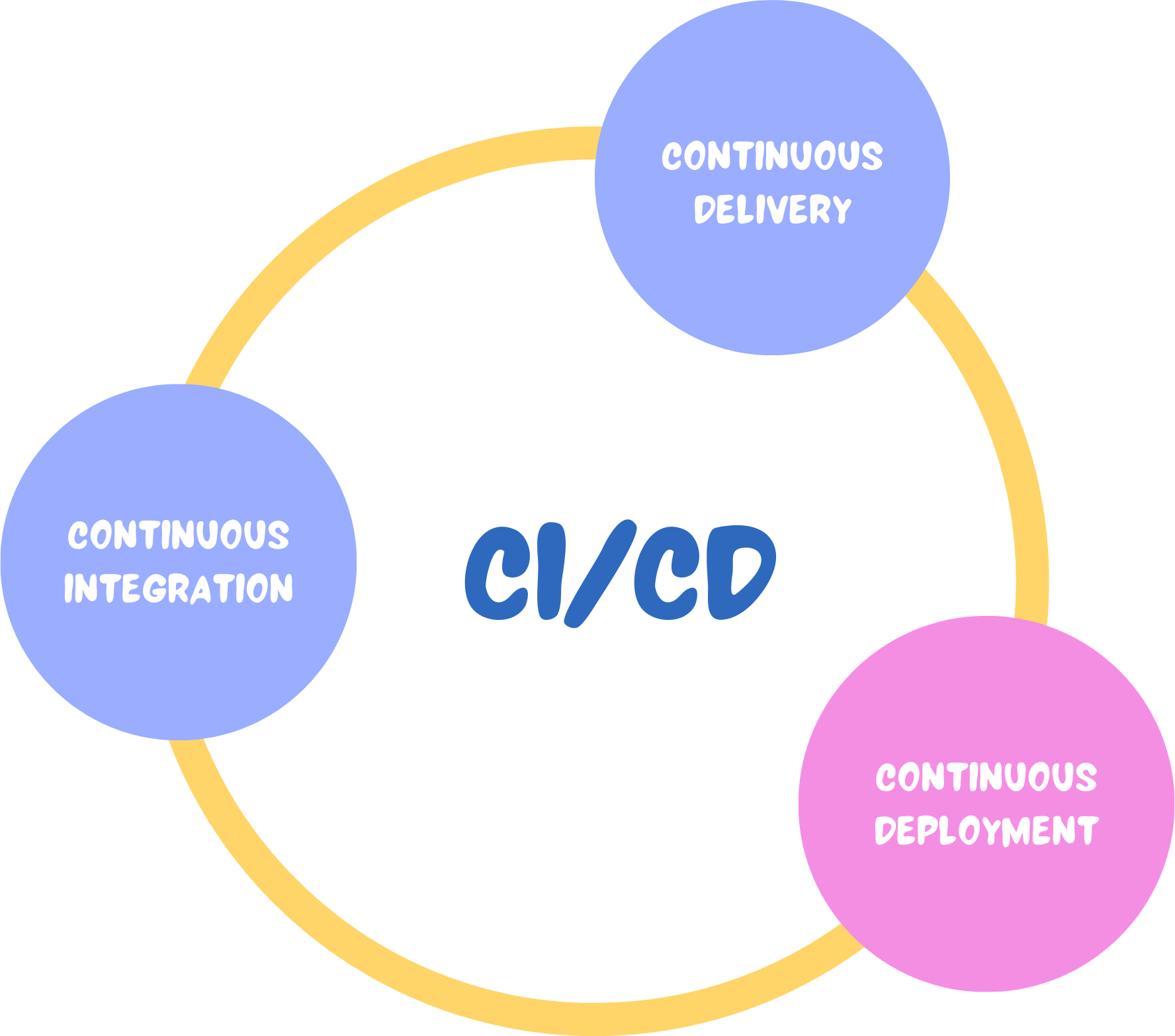
- Step 3 – Run tests after every code change: Set up your automated tests to trigger automatically whenever a developer pushes new code. This is called continuous testing and is a key part of modern CI/CD pipelines.
- Step 4 – Keep tests updated: As your application changes, your test scripts must change too. Outdated tests give false results and waste time.
- Step 5 – Review test reports regularly: Check the results after each test run. Fix failing tests quickly so they remain useful and trustworthy.
Key Benefits of Test Automation for Development Teams
When done right, test automation delivers measurable improvements across your entire development workflow. Here is a quick comparison of manual versus automated testing:
| Aspect | Manual Testing | Automated Testing |
|---|---|---|
| Speed | Slow, hours per cycle | Fast, minutes per cycle |
| Cost over time | High due to repeated effort | Lower after initial setup |
| Consistency | Prone to human error | Consistent every run |
| Scalability | Hard to scale | Easily scalable |
| Bug detection | Often late in the cycle | Early and continuous |
Beyond speed and cost, automation also improves collaboration between developers and QA teams. When tests are automated and integrated into the development pipeline, everyone has visibility into the health of the application at all times.
The Future of Software Testing Beyond 2025
The next wave of software testing tools is being shaped by smarter technologies that can generate test cases automatically, predict where bugs are likely to appear, and self-heal broken tests when the application changes. These advancements will make it even easier for smaller teams to maintain high-quality test coverage without needing large QA departments.
Continuous testing, where tests run non-stop as part of the development process, will become the standard approach. Teams that build this habit now will be well-prepared for what comes next.
In conclusion, automating software testing in 2025 is one of the smartest investments a development team can make. Starting with the right tools, focusing on critical test cases, and building a habit of continuous testing will help your team ship better software faster — and keep your users happy in the long run.