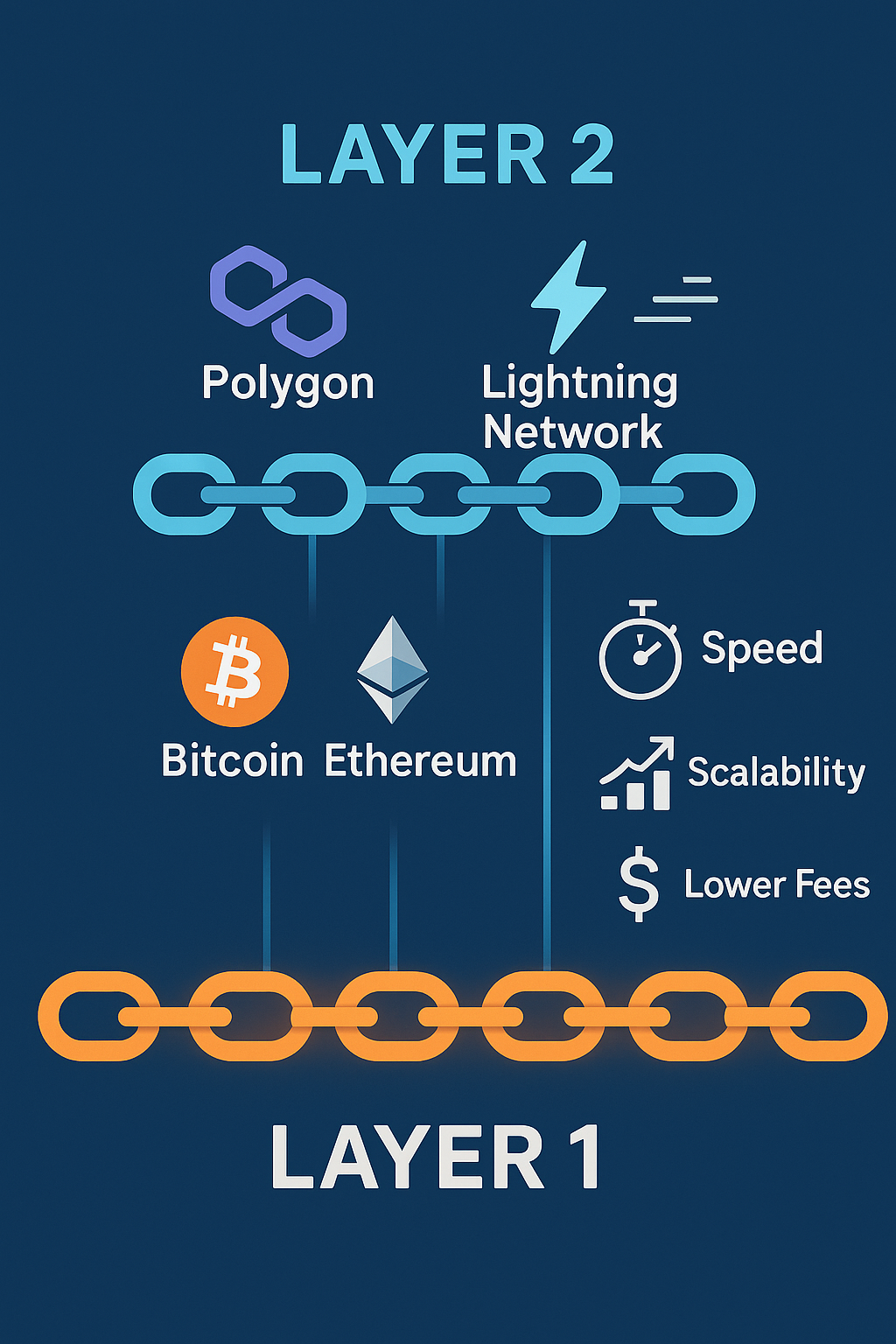

Decentralized Finance, or DeFi, has opened up new ways for people to borrow, lend, and earn with their crypto assets. But along with these opportunities come complex risks that many users overlook. One of the most important — and least understood — concepts in DeFi is rehypothecation. Understanding how it works could protect your assets from unexpected losses.
What Is Rehypothecation in DeFi?
Rehypothecation is the practice where a platform takes assets you have deposited as collateral and uses those same assets as collateral for its own borrowing or investment activities.
Here is a simple way to understand it: You deposit crypto tokens into a DeFi lending platform to secure a loan. Instead of simply holding your tokens as security, the platform then pledges those same tokens to another lender or protocol to raise more funds. This cycle can repeat multiple times across different platforms.
In traditional finance, rehypothecation has existed for decades — banks and brokerages routinely reuse client collateral. In DeFi, the same concept applies but with added complexity because smart contracts can automate this process across multiple protocols without users being fully aware.
How Rehypothecation Creates a Chain of Risk
The core problem with rehypothecation is that it creates a chain of dependency. Each time an asset is reused as collateral, a new layer of risk is added. If any single link in that chain breaks, the damage can spread quickly across all connected parties.
Here are the main risks rehypothecation introduces in DeFi:
- Cascading failures: If one borrower defaults or one protocol faces a liquidity crisis, losses can ripple through every platform that reused the same collateral.
- Hidden exposure: Most users have no idea their deposited assets are being used again. This lack of transparency makes it difficult to assess the true risk of a platform.
- Overleveraging: When the same asset backs multiple loans simultaneously, the total debt in the system can far exceed the actual value of the underlying collateral.
- Liquidation pressure: During sharp market downturns, rehypothecated assets may be liquidated at multiple levels at once, worsening price crashes and causing broader losses.
A useful way to compare rehypothecation risk levels across DeFi platform types is shown below:
| Platform Type | Rehypothecation Risk | Transparency Level |
|---|---|---|
| Open-source DeFi Protocol | Moderate | High (code is public) |
| Centralized Crypto Lender | High | Low |
| Isolated Lending Pool | Low | High |
Real-World Impact on DeFi Users
For everyday DeFi users, rehypothecation is not just a theoretical concern. It has practical consequences that can affect your portfolio directly.
- If a platform rehypothecates your collateral and the counterparty defaults, you may not be able to withdraw your assets when you need them.
- Your collateral could be liquidated at a loss even if your own loan position was healthy, simply because of failures elsewhere in the chain.
- Platforms that do not disclose rehypothecation practices leave users unable to make informed decisions about where to place their funds.
This is why reading the terms and conditions of any DeFi platform before depositing assets is essential, not optional. Many users skip this step and only discover the risks after something goes wrong.
How to Protect Yourself from Rehypothecation Risks
The good news is that informed users can take practical steps to reduce their exposure to rehypothecation risks in DeFi.
- Read platform documentation carefully: Before locking up any tokens, check whether the platform discloses how it uses deposited collateral.
- Choose open-source protocols: Platforms with publicly audited smart contracts offer greater transparency. You can verify how your assets are being handled.
- Prefer isolated lending pools: Some DeFi protocols use isolated markets where collateral from one pool cannot be used in another, reducing chain-reaction risks.
- Diversify across platforms: Avoid putting all your assets into a single protocol. Spreading exposure limits the damage if one platform faces a crisis.
- Stay updated on protocol changes: DeFi protocols can update their rules through governance votes. Follow official channels to catch any changes that might affect how your collateral is used.
Why Transparency Matters in DeFi Lending
One of the founding principles of DeFi is trustless, transparent finance — where users do not need to rely on a central authority because the rules are written in open code. Rehypothecation, especially when undisclosed, works against this principle.
Protocols that are upfront about their collateral practices build stronger user trust. Those that obscure these details create hidden systemic risks that can surface suddenly during market stress. As the DeFi space matures, greater regulatory attention and community pressure are pushing platforms toward better disclosure standards.
Users who take the time to understand concepts like rehypothecation are better positioned to choose safer platforms and avoid being caught off guard when market conditions turn volatile.
In DeFi, knowledge is one of the most valuable tools you have. Understanding how your collateral is used — and demanding transparency from the platforms you trust with your assets — is a key part of responsible participation in decentralized finance.