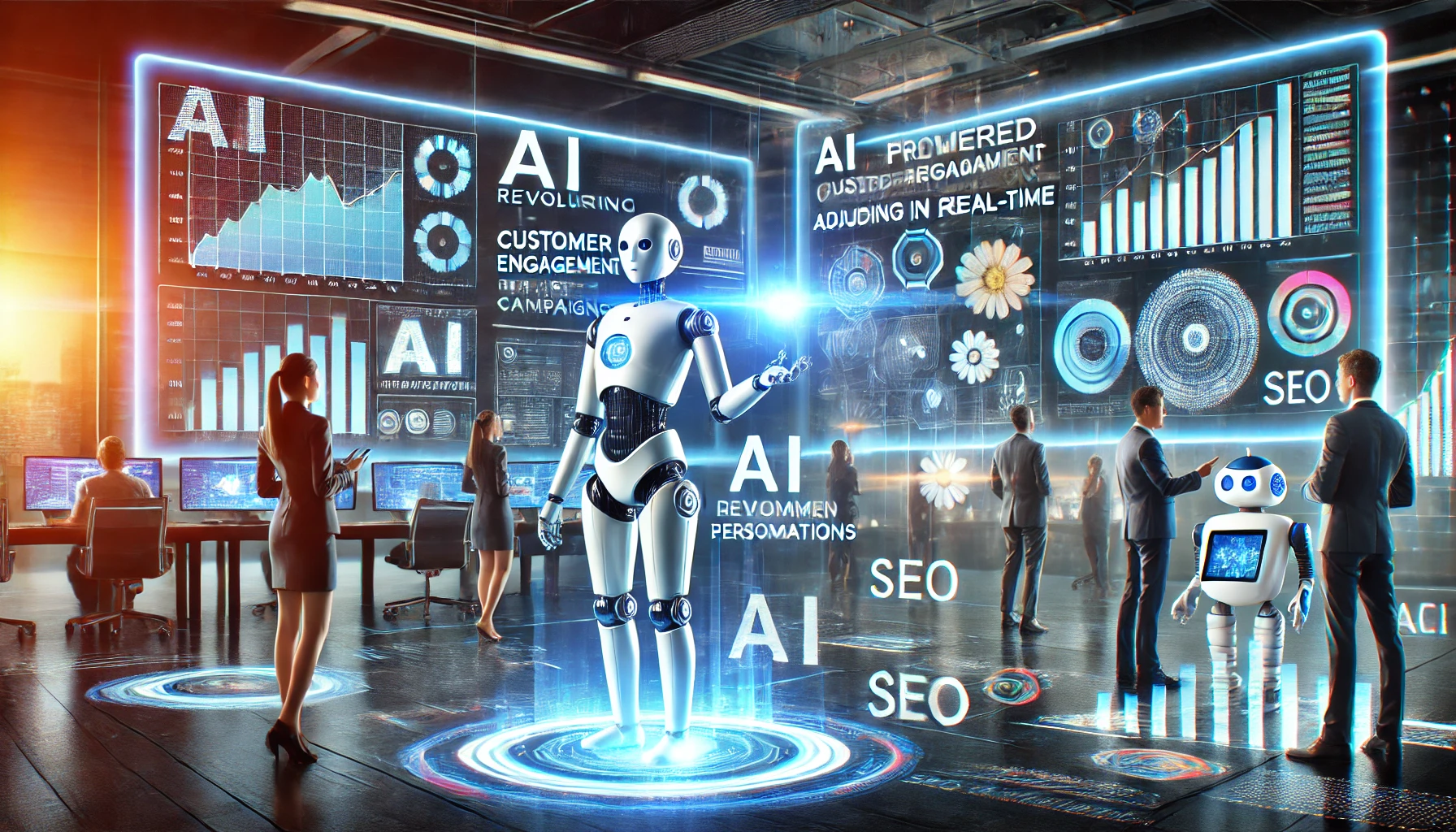
Artificial Intelligence has quietly become one of the most powerful forces shaping how brands connect with their audiences. From smarter ad targeting to automated customer support, AI is helping businesses of all sizes work faster, spend smarter, and engage more meaningfully with customers.
Personalized User Experiences at Scale
Generic marketing messages are losing their impact. Today, AI analyzes large volumes of data — including browsing history, purchase behavior, and interaction patterns — to deliver experiences that feel tailor-made for each user.
- Customized Ads: AI helps brands show ads that match individual preferences, increasing the chances of a click.
- Smart Recommendations: Platforms like Netflix and Amazon use AI to suggest content and products users are likely to enjoy.
- Personalized Offers: AI ensures customers receive deals and promotions that align with their actual interests.
This level of personalization leads to higher engagement, better conversion rates, and stronger customer satisfaction — outcomes that traditional marketing methods struggle to match consistently.
AI-Powered Chatbots and Customer Support
AI-driven chatbots have changed the way businesses handle customer queries. Available around the clock, these tools provide instant responses without putting pressure on human support teams.
- Faster Responses: Chatbots answer questions immediately, reducing wait times and improving customer experience.
- Natural Conversations: Thanks to Natural Language Processing (NLP), AI chatbots can understand and respond in a way that feels human.
- Cost Savings: By automating routine queries, companies free up human agents to focus on complex issues.
Platforms like Facebook Messenger and WhatsApp Business have already integrated AI chatbots, making it easier for brands to stay connected with customers at any hour.
Predictive Analytics and Smarter Campaign Decisions
One of AI’s biggest strengths in marketing is its ability to look at past behavior and forecast what customers are likely to do next. This gives marketers a significant advantage when planning campaigns.
- Predictive Analytics: AI identifies patterns in data to suggest which products or content a customer might engage with next.
- Real-Time Campaign Optimization: AI processes incoming data continuously, allowing businesses to adjust their strategies on the fly.
- Better Decision-Making: Marketers can rely on AI-powered insights rather than guesswork, leading to more effective campaigns.
Brands that use predictive analytics are better positioned to launch targeted campaigns that drive both engagement and sales.
Content Creation, SEO, and Voice Search Optimization
AI is not limited to data analysis — it also plays a growing role in content production and search optimization.
- SEO Tools: Platforms like SurferSEO and Clearscope help marketers identify high-performing keywords and content topics.
- Automated Content: AI writing tools can generate product descriptions, blog drafts, and social media captions quickly.
- Voice Search: AI helps brands optimize content for voice-based queries on devices like Amazon Alexa and Google Assistant.
- Image Recognition: Tools like Google Lens allow users to search using images, opening new discovery channels for brands.
Companies that optimize for both voice and visual search are likely to reach audiences that competitors relying only on text-based SEO may miss.
Smarter Advertising and AI-Driven Email Marketing
AI has made digital advertising far more precise. Instead of casting a wide net, brands can now target users based on detailed demographic, behavioral, and interest data.
| Marketing Area | AI Application | Key Benefit |
|---|---|---|
| Digital Advertising | Google Ads Smart Bidding | Better ROI with less wasted spend |
| Email Marketing | Optimized send times and subject lines | Higher open rates and conversions |
| Customer Support | NLP-powered chatbots | 24/7 support at lower cost |
| Content Marketing | SurferSEO, Clearscope | Improved search rankings |
In email marketing, AI determines the best time to send messages, crafts subject lines that are more likely to be opened, and ensures the content inside is relevant to each recipient. The result is email campaigns that feel personal rather than promotional — and that translate into real sales.
As AI technology continues to advance, brands that adopt these tools early will be better equipped to deliver the kind of personalized, data-backed experiences that modern customers expect. The shift is already underway, and businesses that wait too long risk falling behind competitors who are already using AI to their advantage.