Apps and websites no longer show the same content to every visitor. Thanks to hyper-personalization powered by generative technology, digital platforms now adapt in real time to each user’s behavior, preferences, and interests. This shift is reshaping how businesses connect with their customers across industries.
What Is Hyper-Personalization?
Hyper-personalization goes far beyond adding a user’s name to an email. It means the software studies what a person does inside an app or website — what they click, how long they stay on a page, what they buy — and then adjusts the entire experience based on those patterns.
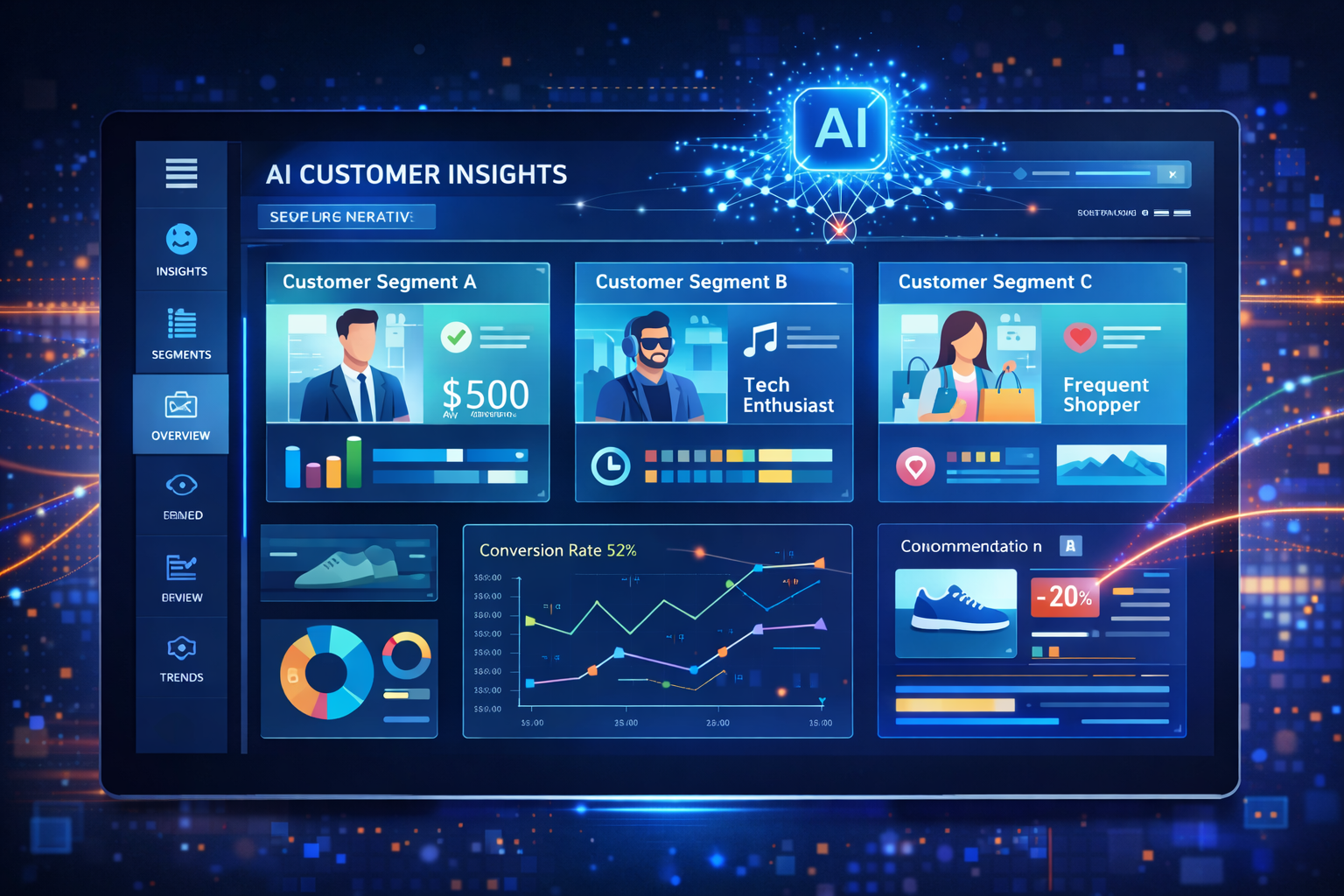
For example, if you search for running shoes on an e-commerce platform, the homepage may later display more shoe-related products, accessories, and offers. The system learns from your actions and responds accordingly, making the experience feel tailored just for you.
This is different from basic personalization. It focuses on real-time behavior, individual interests, and usage patterns rather than just demographic data.
What Is Generative Technology and Why Does It Matter?
Generative technology is a type of artificial intelligence that can create new content on its own. It can produce text, images, product descriptions, email messages, chatbot responses, and even website layouts — all automatically and instantly.
Unlike traditional software that only analyzes existing data, generative AI actively produces new content in response to user signals. This makes personalization far more dynamic and powerful than anything possible before.
When combined with user behavior data, generative technology can craft a unique experience for each visitor without any manual effort from the business.
How Hyper-Personalization and Generative AI Work Together
The process works in a clear sequence:
- Data collection: The system gathers user data such as browsing history, clicks, time spent on pages, and purchase activity.
- AI analysis: Machine learning models analyze this data to understand what the user prefers and what they are likely to want next.
- Content generation: Generative AI creates customized content in real time — a personalized homepage layout, a special discount offer, a product recommendation, or a tailored chatbot reply.
- Delivery: The user sees an experience that feels built specifically for them.
The result is a digital interaction that feels natural, relevant, and helpful rather than generic.
Real-World Examples Across Industries
Hyper-personalization is already active across many sectors. Here is how different industries are using it:
| Industry | How It Uses Hyper-Personalization |
|---|---|
| E-commerce | Shows product suggestions based on previous searches and purchases |
| Streaming Platforms | Recommends movies and shows based on viewing history |
| Education | Adjusts lessons and quizzes based on student performance |
| Banking and Finance | Customizes dashboards and highlights features based on spending habits |
| Healthcare | Suggests personalized health tips and reminders |
| Travel | Recommends destinations and deals based on search history |
Key Benefits for Businesses and Users
Both businesses and users gain from hyper-personalization when it is done well:
- Higher engagement: Users spend more time on platforms that show content matching their interests.
- Better sales: Businesses see stronger conversion rates when users are shown relevant products and offers.
- Improved customer satisfaction: A smoother, more relevant experience builds loyalty over time.
- Smarter marketing: AI handles much of the personalization automatically, reducing manual effort for marketing teams.
- Competitive advantage: Companies offering intelligent digital experiences stand out from those still using one-size-fits-all content.
Challenges and Privacy Concerns to Keep in Mind
Hyper-personalization comes with real responsibilities. Businesses must handle user data carefully and ethically.
- Data privacy: Companies must protect personal information and comply with data protection laws.
- Intrusive experiences: Too much personalization can feel uncomfortable or invasive to some users.
- Bias in AI systems: If the underlying models are not accurate or fair, recommendations can become skewed or discriminatory.
- Transparency: Users should know what data is being collected and how it is being used.
Responsible use of user data is not just a legal requirement — it is essential for maintaining user trust.
What the Future Looks Like
The next phase of hyper-personalized software will be even more adaptive. Apps may automatically redesign their interface depending on who is using them. Websites could change colors, layouts, and offers based on individual preferences in real time.
AI assistants will become more conversational and context-aware, making digital interactions feel closer to human conversations. Software will keep getting smarter, adjusting not just what content it shows but how it presents that content to each person.
As generative technology matures, the gap between a generic digital experience and a truly personal one will continue to close rapidly.
Hyper-personalization with generative technology is no longer a future concept — it is already shaping the apps and platforms millions of people use every day. Businesses that invest in this approach now are building stronger customer relationships and more resilient digital products for the long term.