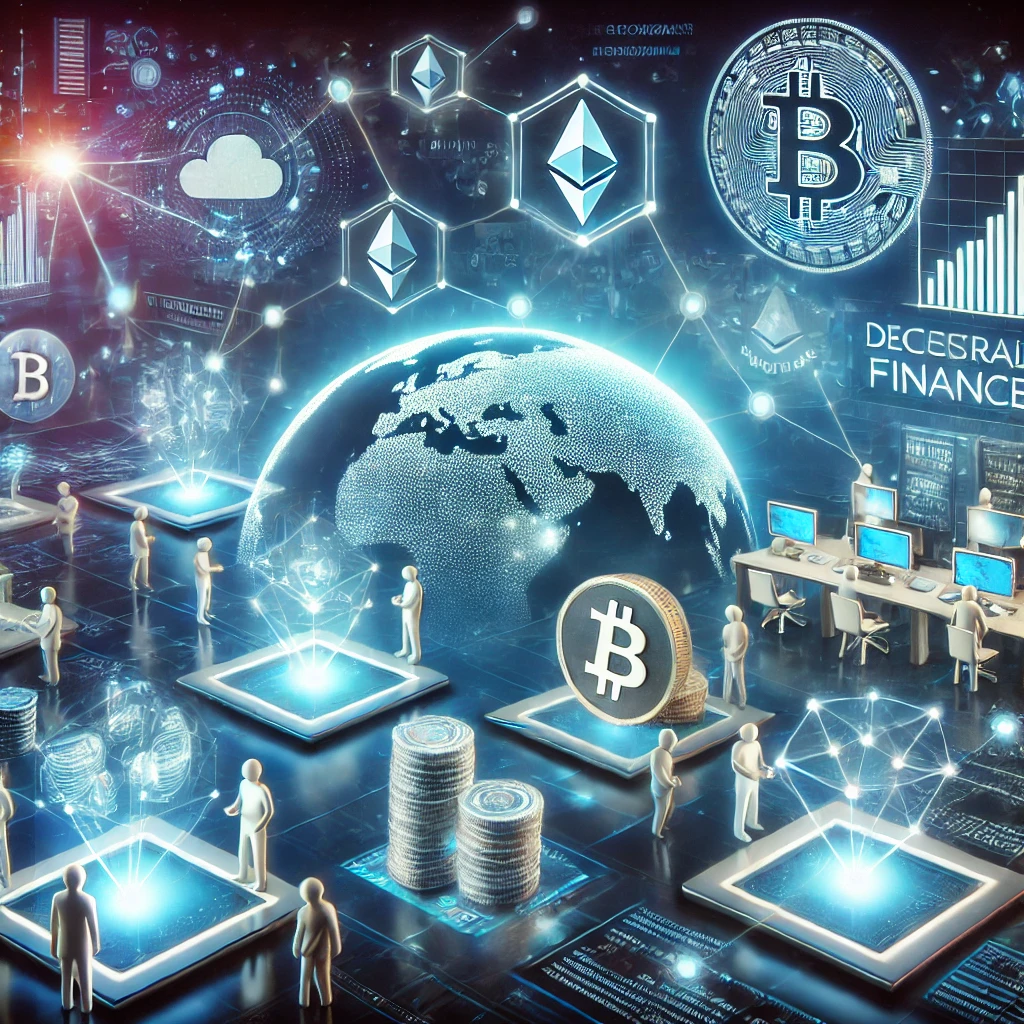
Decentralized Finance, widely known as DeFi, is reshaping how people access and use financial services. By removing traditional banks and intermediaries from the equation, DeFi opens up borrowing, lending, trading, and earning opportunities to anyone with an internet connection. Built on blockchain technology, it is one of the most significant shifts in global finance in recent years.
What Is DeFi and How Does It Work?
DeFi refers to a financial system built on public blockchain networks, most notably Ethereum. Instead of relying on banks or financial institutions, DeFi uses smart contracts — self-executing pieces of code that automatically carry out transactions when certain conditions are met.
This setup removes the need for middlemen, making financial transactions faster, more transparent, and accessible to people who may not have access to traditional banking. All you need is an internet connection and a compatible digital wallet.
Key Features of Decentralized Finance
DeFi covers a wide range of financial services. Here are the most important ones:
- Decentralized Exchanges (DEXs): Platforms like Uniswap and SushiSwap allow users to trade cryptocurrencies directly with each other, without a central authority. DEXs offer greater privacy, full control over funds, and often lower transaction fees compared to traditional exchanges.
- Lending and Borrowing: Platforms such as Aave and Compound let users lend their digital assets to earn interest or borrow assets by putting up collateral. There are no credit checks, loans are processed instantly, and lenders typically earn higher interest rates than traditional savings accounts offer.
- Stablecoins: These are cryptocurrencies designed to maintain a stable value, usually pegged to a fiat currency like the US dollar. Popular examples include USDT (Tether) and USDC (USD Coin). Stablecoins reduce the price volatility common in crypto markets, making them a reliable store of value within the DeFi ecosystem.
- Yield Farming and Liquidity Mining: Users can earn rewards by supplying liquidity to DeFi protocols or staking tokens on platforms like Uniswap and Compound. This approach can generate passive income, though it also carries its own set of risks.
Why DeFi Matters for Financial Inclusion
One of DeFi’s strongest arguments is its potential to bring financial services to people who have historically been excluded from the traditional banking system. Here is why it stands out:
- Open Access: Anyone with internet access can participate, regardless of location, income, or credit history.
- Transparency: Every transaction is recorded on a public blockchain, making the system verifiable and open to scrutiny.
- User Control: Users hold their own assets directly, without needing to trust a bank or third party to manage their funds.
| Feature | Traditional Finance | DeFi |
|---|---|---|
| Access | Requires bank account and documents | Only needs internet and a digital wallet |
| Transparency | Limited, controlled by institutions | Full, recorded on public blockchain |
| Intermediaries | Banks, brokers, regulators | Smart contracts only |
| Speed | Can take days | Near-instant |
Risks and Challenges Facing DeFi
Despite its promise, DeFi is not without serious risks that every user should understand before participating:
- Security Vulnerabilities: DeFi platforms have been targeted by hackers, resulting in significant financial losses. Smart contract bugs can be exploited if not properly audited.
- Regulatory Uncertainty: Governments and regulators around the world are still figuring out how to handle DeFi. This creates legal uncertainty for both platforms and users.
- Price Volatility: Cryptocurrency prices can swing dramatically, which can affect the value of assets held or used as collateral on DeFi platforms.
- Complexity for New Users: The technical nature of DeFi can be difficult for beginners to navigate, increasing the risk of costly mistakes.
The Road Ahead for Decentralized Finance
DeFi continues to grow at a rapid pace, with new protocols, tools, and financial products emerging regularly. As adoption increases, DeFi has the potential to become a significant part of the global financial system. However, long-term success will depend on addressing security weaknesses, achieving regulatory clarity, and managing the volatility that comes with crypto-based assets.
Developers, regulators, and users all have a role to play in shaping a DeFi ecosystem that is both safe and truly accessible. The technology is still maturing, but the direction it is heading suggests that decentralized finance is here to stay.
In summary, DeFi represents a bold shift in how financial services can be delivered — open, transparent, and accessible to all. Whether you are an investor, a developer, or simply curious about the future of money, understanding DeFi is increasingly important in today’s financial landscape.