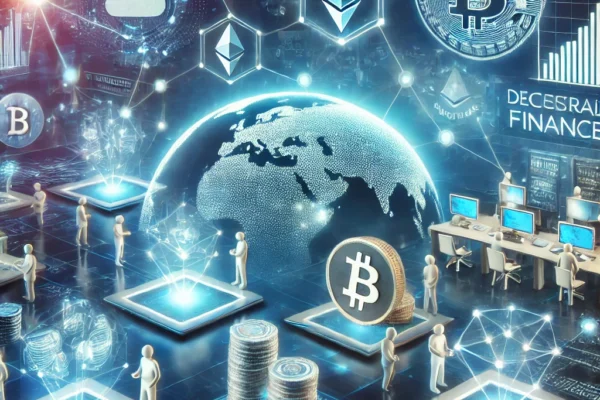
Decentralized Finance (DeFi) Explained: How It Works, Key Features, and What Lies Ahead
Decentralized Finance or DeFi uses blockchain and smart contracts to offer open financial services like lending, trading, and earning without traditional banks.

Decentralized Finance or DeFi uses blockchain and smart contracts to offer open financial services like lending, trading, and earning without traditional banks.

Yield farming lets you earn passive income by depositing crypto into DeFi platforms. Learn how it works, its benefits, key risks, and the best platforms to start with.

Intent-based blockchains let users focus on what they want to achieve, not how to do it. Discover how this approach is making crypto, DeFi, and NFTs more accessible.

Tokenized stocks and commodities let investors buy digital versions of real-world assets like shares and gold using blockchain technology. Here is everything you need to know.
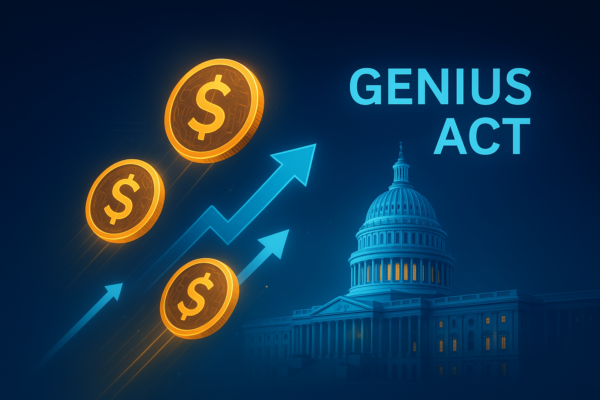
The U.S. GENIUS Act proposes strict rules for stablecoins including reserve backing and consumer protection. Here is what this landmark crypto legislation means for digital finance.

Blockchain interoperability allows separate networks like Ethereum, Polkadot, and Cosmos to share data and assets. Here is how it works and why it matters for DeFi, supply chains, and beyond.
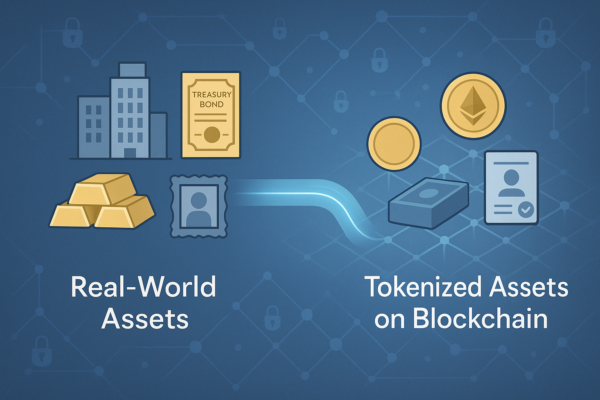
Real-world asset tokenization converts physical assets like property, gold, and bonds into blockchain-based digital tokens, making investing more accessible and transparent.

From Bitcoin to government-backed CBDCs, a major battle is reshaping global finance. Here is what the digital currency revolution means for your money and financial future.

Decentralized applications or dApps are built on blockchain and run without central control. Discover how they work, where they are used today, and what their future looks like.

Stablecoins like USDT, USDC, and DAI are changing how people use crypto. From DeFi to cross-border payments, here is why their popularity keeps growing in 2024.