
Decentralized applications, commonly known as dApps, are changing how people interact with the internet. Built on blockchain technology, these apps remove the need for a central company or server — giving users more privacy, security, and ownership over their data. From finance to gaming, dApps are quietly reshaping digital life in ways most people are only beginning to notice.
What Are Decentralized Applications (dApps)?
A dApp works without any single authority controlling it. Traditional apps like Instagram or Gmail are owned and managed by companies that store and control your personal data. dApps work differently — they run on a blockchain network using smart contracts, which are self-executing programs that carry out specific tasks automatically.
Once a dApp is deployed on the blockchain, no one can alter or shut it down. This makes them resistant to censorship and corporate interference. Ethereum is currently the most popular blockchain platform for building dApps, though others like Solana and Polygon are also widely used.
Key Features That Make dApps Different
- No Central Control: Data and operations are distributed across a blockchain network, not stored on a single company’s server.
- Full Transparency: Anyone can view the app’s code and verify transactions on the public blockchain.
- Stronger Security: Blockchain storage makes it significantly harder for hackers to tamper with or steal data.
- Token-Based Economy: Many dApps use digital tokens for transactions, rewards, or governance voting within the platform.
How People Are Using dApps Right Now
dApps are no longer just a concept — they are actively used across several industries today:
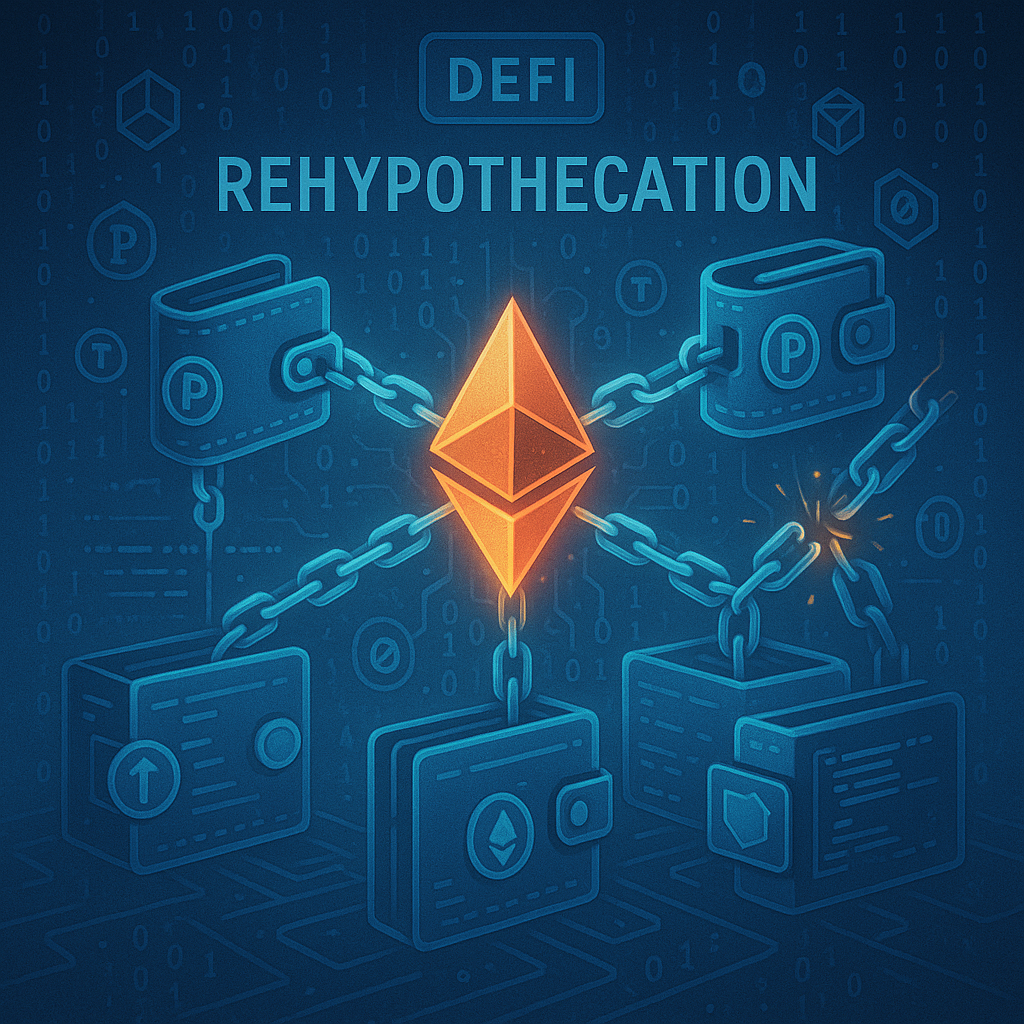
- Decentralized Finance (DeFi): Platforms like Aave and Uniswap let users borrow, lend, and trade cryptocurrency without involving a bank or financial institution.
- Gaming: Games like Axie Infinity allow players to earn real money and truly own their in-game assets as NFTs.
- Social Media: Platforms like Lens Protocol give creators full control over their content and audience data.
- NFT Marketplaces: Sites like OpenSea allow users to buy and sell digital art and collectibles directly, without middlemen taking large cuts.
| Category | Popular dApp | What It Does |
|---|---|---|
| DeFi | Uniswap, Aave | Trade and lend crypto without banks |
| Gaming | Axie Infinity | Earn money and own in-game items |
| Social Media | Lens Protocol | User-owned content and data |
| NFT Marketplace | OpenSea | Buy and sell digital collectibles |
Benefits and Challenges of dApps
dApps offer real advantages, but they also come with limitations that developers and users need to understand.
Why people prefer dApps:
- You own your data — no corporation can claim or sell it.
- Fewer middlemen means lower costs and faster transactions.
- Anyone with internet access and a crypto wallet can participate.
Current challenges holding dApps back:
- They can be harder to use than regular apps, especially for beginners.
- High network traffic can slow down performance or increase transaction fees.
- Regulations around dApps are still unclear in many countries, including India.
- Bugs in smart contract code can create serious security vulnerabilities.
What the Future Holds for dApps
The dApp space is growing fast, and several developments are expected to shape its future:
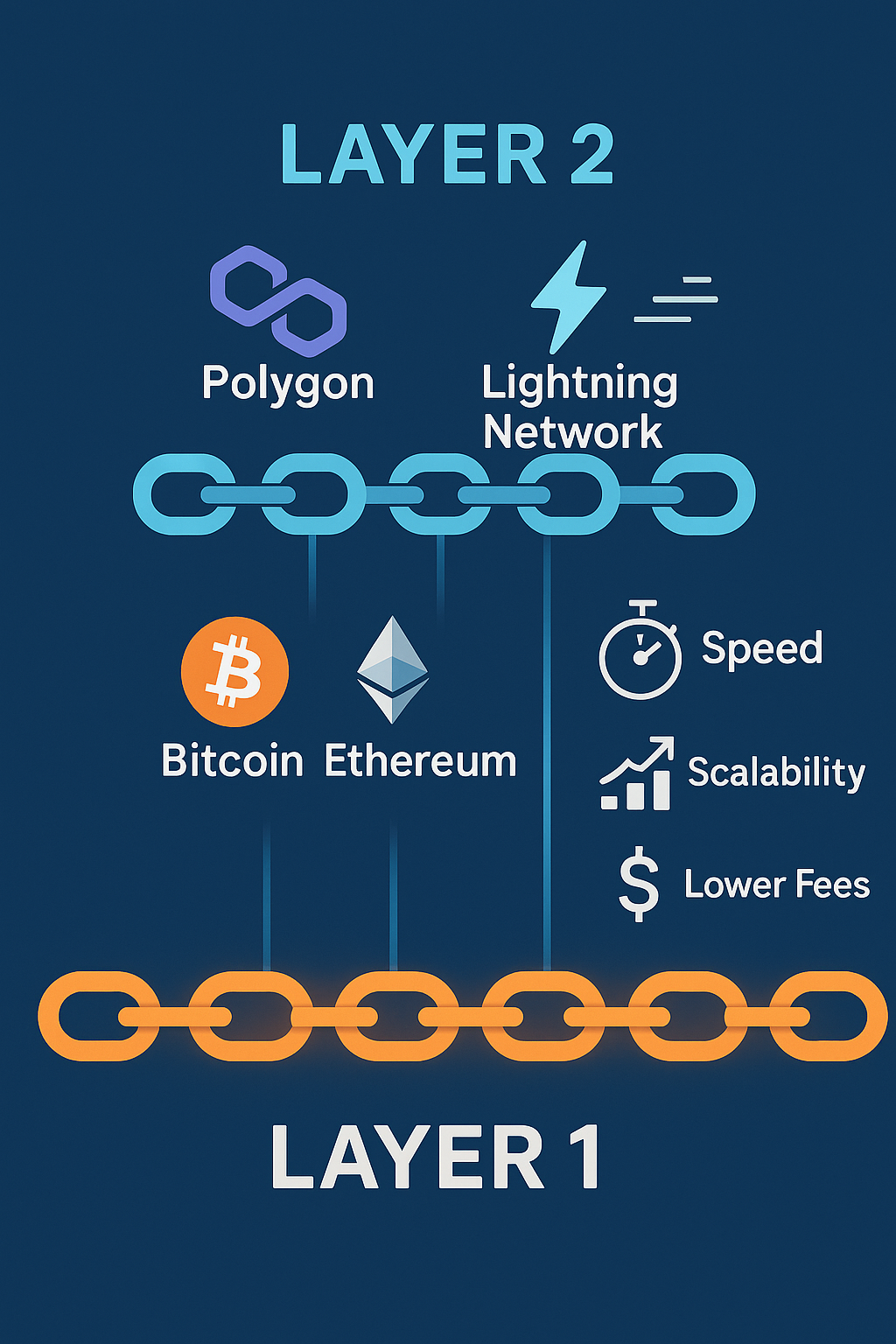
- Faster and Cheaper Transactions: New blockchain upgrades and Layer 2 solutions are already reducing costs and improving speed significantly.
- Better User Interfaces: Developers are working on simpler, more intuitive designs to bring mainstream users into the dApp ecosystem.
- Cross-Chain Compatibility: Future dApps may run across multiple blockchains simultaneously, making them more flexible and accessible.
- Real-World Industry Adoption: Sectors like healthcare, real estate, supply chain, and logistics are exploring dApps to improve transparency and reduce fraud.
As blockchain infrastructure matures and user experience improves, dApps are likely to become a standard part of how businesses and individuals operate online — not just a niche technology for crypto enthusiasts.
For Indian users and businesses, keeping an eye on dApp developments is increasingly important, especially as the country’s digital economy continues to grow and regulatory frameworks around blockchain technology take shape.