
Software security is no longer something teams can afford to think about at the last minute. As cyberattacks grow more frequent and sophisticated, a development approach called Security-First or Shift-Left Development is becoming the standard for building safe, reliable software from the ground up.
What Does Security-First or Shift-Left Development Mean?
Security-First Development, commonly called Shift-Left Development, means integrating security practices at the very beginning of a software project — not after the code is already written.
In traditional development workflows, security checks happened at the end of the process. By that point, fixing vulnerabilities was slow, expensive, and often disruptive to release timelines.
The term “Shift-Left” refers to moving security tasks to the left side of the development timeline — into the design, coding, and testing phases. This approach helps teams catch problems early, reduce costs, and ship safer software faster.
The core idea is simple: don’t add security later — build it in from day one.
How Does the Shift-Left Approach Work Step by Step?
Shift-Left security is not a single tool or technique. It is a mindset applied across every phase of software development:
- Planning Stage: Before writing a single line of code, the team identifies potential risks. Questions like “What if someone tries to exploit our login system?” are discussed and planned for upfront.
- Coding Stage: Developers follow secure coding practices and use automated tools that flag unsafe patterns in real time as code is written.
- Testing Stage: Automated security scanners check the software for vulnerabilities, weak points, and known security bugs before the product moves forward.
- Deployment Stage: Even after launch, continuous monitoring tools keep watching for new threats, ensuring the application stays protected over time.
This way, security becomes a natural part of the entire development process rather than a final checkpoint.
Common Tools Used in Shift-Left Development
Several widely-used tools help development teams embed security into their workflow at every stage:
| Purpose | Tool / Practice | What It Does |
|---|---|---|
| Code Scanning | SonarQube, Snyk, Checkmarx | Finds errors and vulnerabilities in source code |
| Dependency Checking | OWASP Dependency-Check, npm audit | Detects unsafe third-party libraries |
| Automated Testing | GitHub Actions, Selenium | Runs tests automatically after every code change |
| Security Standards | OWASP Top 10 | Lists the most common web application security risks |
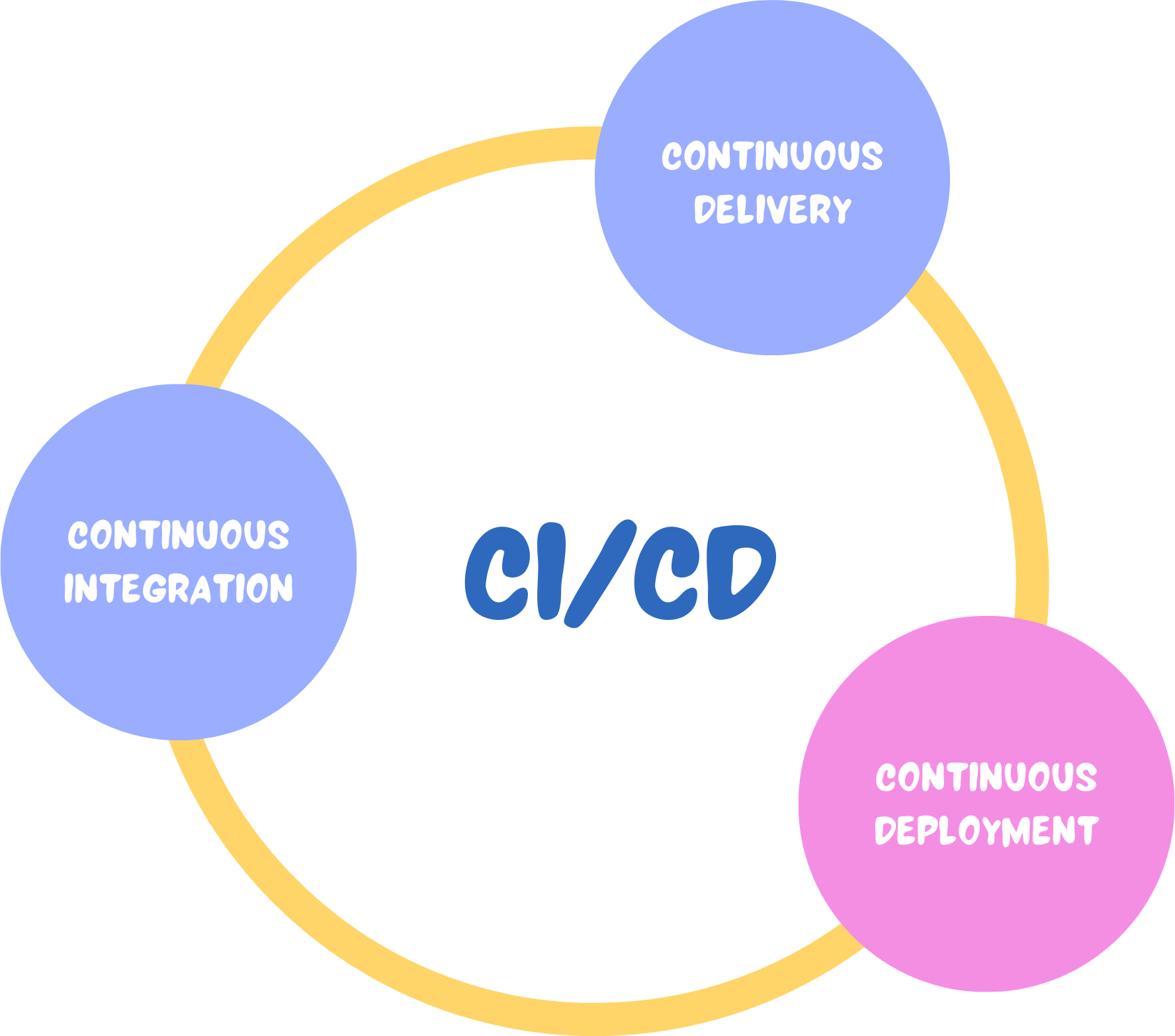
| CI/CD Integration | Jenkins, GitLab CI/CD | Adds security checks directly into the deployment pipeline |
For example, when building a mobile banking app, using tools like Snyk or SonarQube during the coding phase can catch risky patterns in the login or payment system before the app ever reaches users.
Key Benefits of Security-First Development
Here is why more companies — from startups to tech giants — are adopting the Shift-Left model:
- Early Problem Detection: Fixing small bugs during development is far easier than patching them after release.
- Faster Development Cycles: Fewer last-minute security surprises mean fewer delays before launch.
- Lower Costs: Preventing a vulnerability is significantly cheaper than recovering from a breach.
- Better Team Collaboration: Developers and security teams work together throughout the project instead of in silos.
- Customer Trust: Users are more likely to trust and continue using software that protects their data.
- Legal Compliance: Building security in from the start makes it easier to meet data protection regulations like GDPR and India’s DPDP Act.
One small security mistake in software can lead to data theft, financial loss, and serious damage to a company’s reputation. Shift-Left development significantly reduces that risk.
Why Shift-Left Security Is Trending in 2025
Cyberattacks are increasing every year, and with more applications moving to the cloud and relying on complex third-party services, the attack surface has grown considerably.
Tech leaders like Microsoft, Google, and GitHub have already adopted the Shift-Left model as a core part of their development culture. Startups and mid-sized companies are following the same path, recognising that security cannot be an afterthought in a world where a single breach can be catastrophic.
The DevSecOps movement — which stands for Development, Security, and Operations working together — is a direct result of this shift. It brings security professionals into the development process from day one, making security a shared responsibility across the entire team.
This trend is not just about technology. It is about building trust and reliability into every product that reaches users.
In conclusion, Security-First or Shift-Left Development is a proven, practical approach to building software that is safe, compliant, and ready for the threats of today. When security is woven into every stage — from planning and coding to testing and deployment — teams deliver safer apps, fewer bugs, and better experiences for users. In modern software development, adopting this approach is not optional; it is essential.