
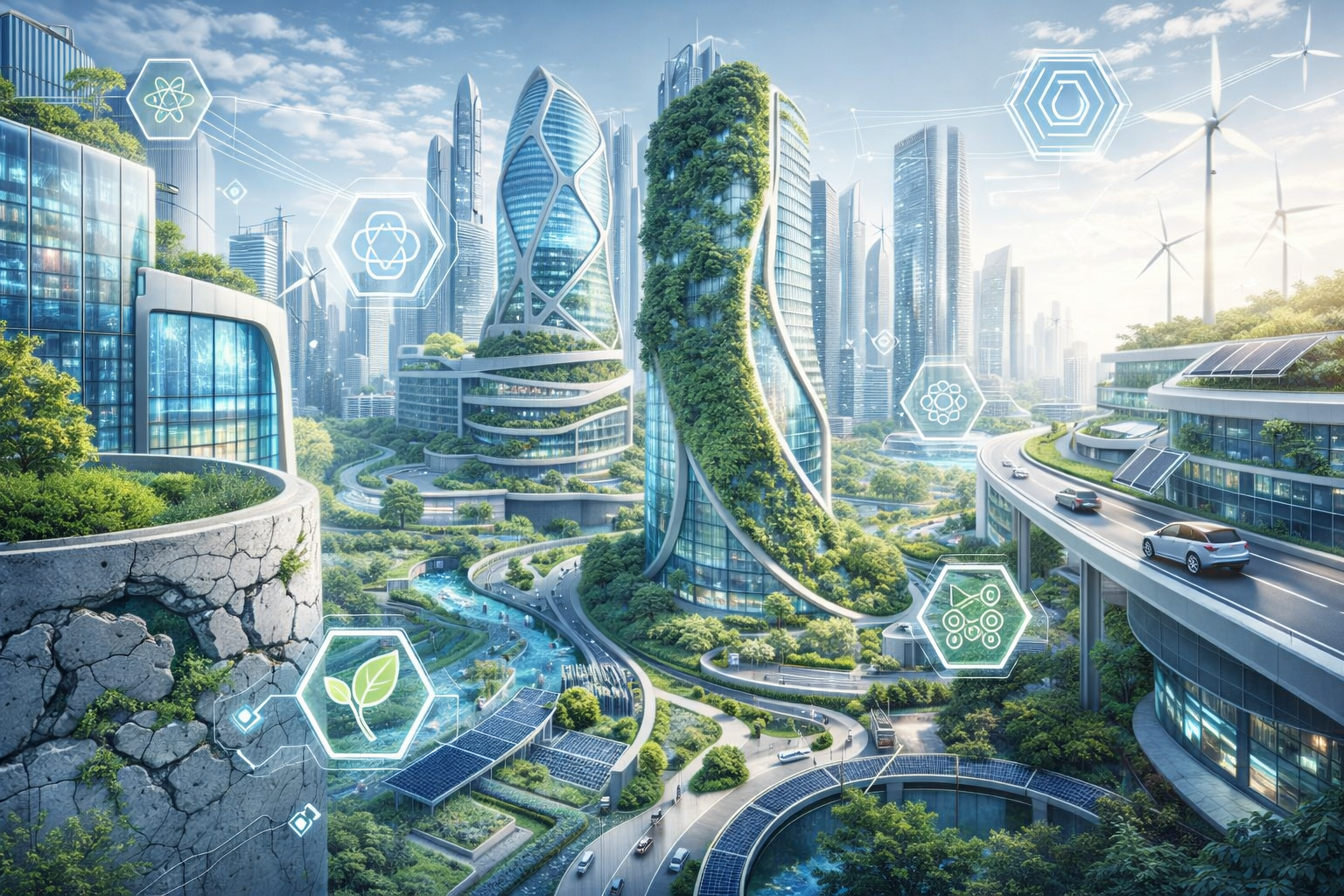
Two of the most exciting fields shaping the future of engineering are smart materials and biodesign. While they come from different scientific backgrounds, together they are helping industries build products and structures that are more efficient, longer-lasting, and kinder to the planet. Here is a clear and practical guide to understanding both.
What Are Smart Materials and How Do They Work?
Smart materials are a special category of materials that can sense and respond to changes in their environment. Unlike conventional materials such as regular steel or standard plastic, smart materials can adjust their properties automatically based on external triggers.
They typically respond to stimuli such as:
- Heat – changing shape or stiffness based on temperature
- Light – altering transparency or color
- Pressure – generating electrical signals
- Electricity – switching between states
- Water or moisture – expanding, contracting, or activating
This ability to react and self-regulate makes them far more versatile than traditional engineering materials.
Common Types of Smart Materials Explained Simply
There are several well-known types of smart materials already being used across industries:
- Shape Memory Alloys: These metals can be bent or deformed and then return to their original shape when heated. They are widely used in medical devices and aerospace components.
- Self-Healing Materials: These materials can repair small cracks or damage on their own. A well-known example is self-healing concrete, which uses bacteria to fill cracks without any human intervention.
- Piezoelectric Materials: When pressure is applied to these materials, they generate electricity. They are commonly used in sensors, actuators, and energy harvesting devices.
- Smart Glass (Electrochromic Glass): This type of glass can switch between transparent and dark states when electricity is applied. It is increasingly used in energy-efficient buildings to control heat and light.
| Smart Material | Responds To | Key Application |
|---|---|---|
| Shape Memory Alloy | Heat | Medical implants, aerospace |
| Self-Healing Concrete | Moisture, damage | Construction, infrastructure |
| Piezoelectric Material | Pressure | Sensors, energy harvesting |
| Electrochromic Glass | Electricity | Smart buildings, energy saving |
What Is Biodesign and Why Does It Matter?
Biodesign is a field where biology and engineering come together to create sustainable, nature-inspired solutions. Rather than relying entirely on traditional factories and synthetic chemicals, biodesign uses living systems and natural processes to produce materials and products.
In simple terms, biodesign means designing with the help of nature.
Some practical examples of biodesign include:
- 3D Bioprinting: Scientists can now print tissues and partial organ structures using biological materials, opening new possibilities in medicine and transplantation research.
- Bio-Based Materials: Companies are creating leather, plastic alternatives, and fabric from plants or microorganisms, reducing dependence on animals and fossil fuels.
- Living Buildings: Some modern construction materials are inspired by natural systems and can improve indoor air quality or reduce heat without mechanical systems.
- Biodegradable Packaging: Packaging made from natural materials that breaks down harmlessly, reducing plastic pollution significantly.
Biodesign supports the idea of a green and circular economy, where materials are reused, waste is minimised, and environmental impact is reduced at every stage of production.
How Smart Materials and Biodesign Work Together
When smart materials and biodesign are combined, the results are particularly powerful. This combination allows engineers to create systems that are intelligent, sustainable, and capable of responding to real-world conditions without constant human input.
Real-world examples of this combination include:
- Concrete that uses bacteria to automatically repair cracks
- Buildings that naturally adjust to temperature changes without air conditioning
- Medical implants that adapt to the human body over time
- Packaging and structural materials that respond to environmental changes
This approach reduces maintenance costs, extends the lifespan of products, and lowers the overall environmental footprint of engineering projects.
Future Applications and Career Opportunities in Smart Materials and Biodesign
Both fields are expected to grow significantly in the coming years. Industries across the world are actively investing in these technologies because they offer practical solutions to some of the biggest challenges facing society today.
Key areas where smart materials and biodesign will play a major role include:
- Smart cities – infrastructure that monitors and repairs itself
- Green construction – buildings that use less energy and last longer
- Renewable energy systems – materials that improve efficiency of solar panels and wind turbines
- Healthcare innovation – implants, drug delivery systems, and bioprinted tissues
- Advanced manufacturing – lighter, stronger, and more adaptable components
Engineers and designers who build expertise in these areas will find strong career opportunities as industries shift toward sustainable and intelligent solutions. Universities and research institutions are already offering specialised programmes in both smart materials science and biodesign engineering.
In conclusion, smart materials and biodesign represent two of the most promising directions in modern engineering. Smart materials bring intelligence and adaptability to physical structures, while biodesign brings nature’s efficiency and sustainability into the design process. Together, they are helping build a world that is more efficient, more durable, and more environmentally responsible — making them essential knowledge for anyone interested in the future of engineering and technology.