
The software development world is changing fast. From smarter coding tools to decentralized apps and stronger cybersecurity, 2025 is set to bring major shifts in how developers build, deploy, and secure software. Whether you are a developer, a business owner, or a tech enthusiast, understanding these trends can help you stay ahead of the curve.
AI-Powered Tools Are Changing How Developers Work
Artificial intelligence is no longer just a buzzword in tech circles. In 2025, AI-powered tools are becoming a core part of the software development process.
- GitHub Copilot and similar coding assistants help developers write code faster and with fewer errors.
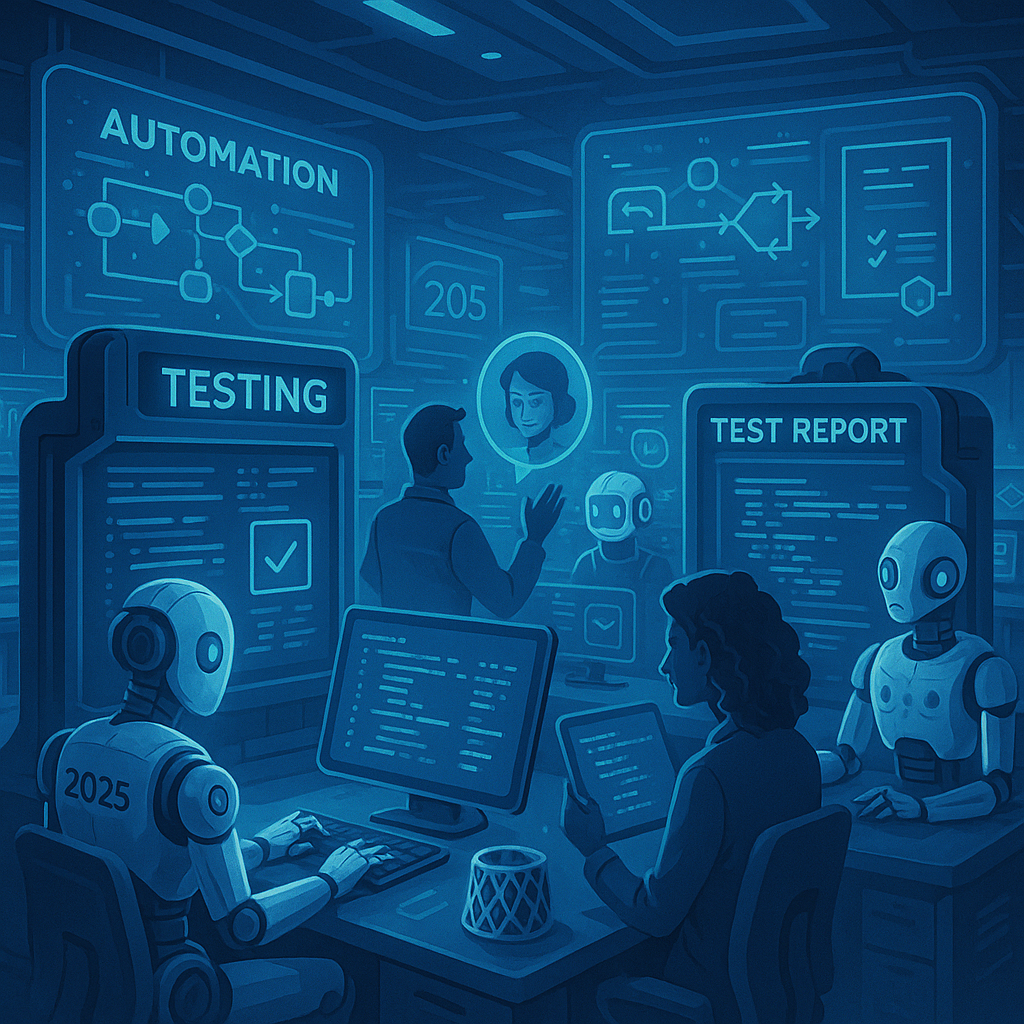
- Automated testing tools can identify and fix bugs with minimal human input.
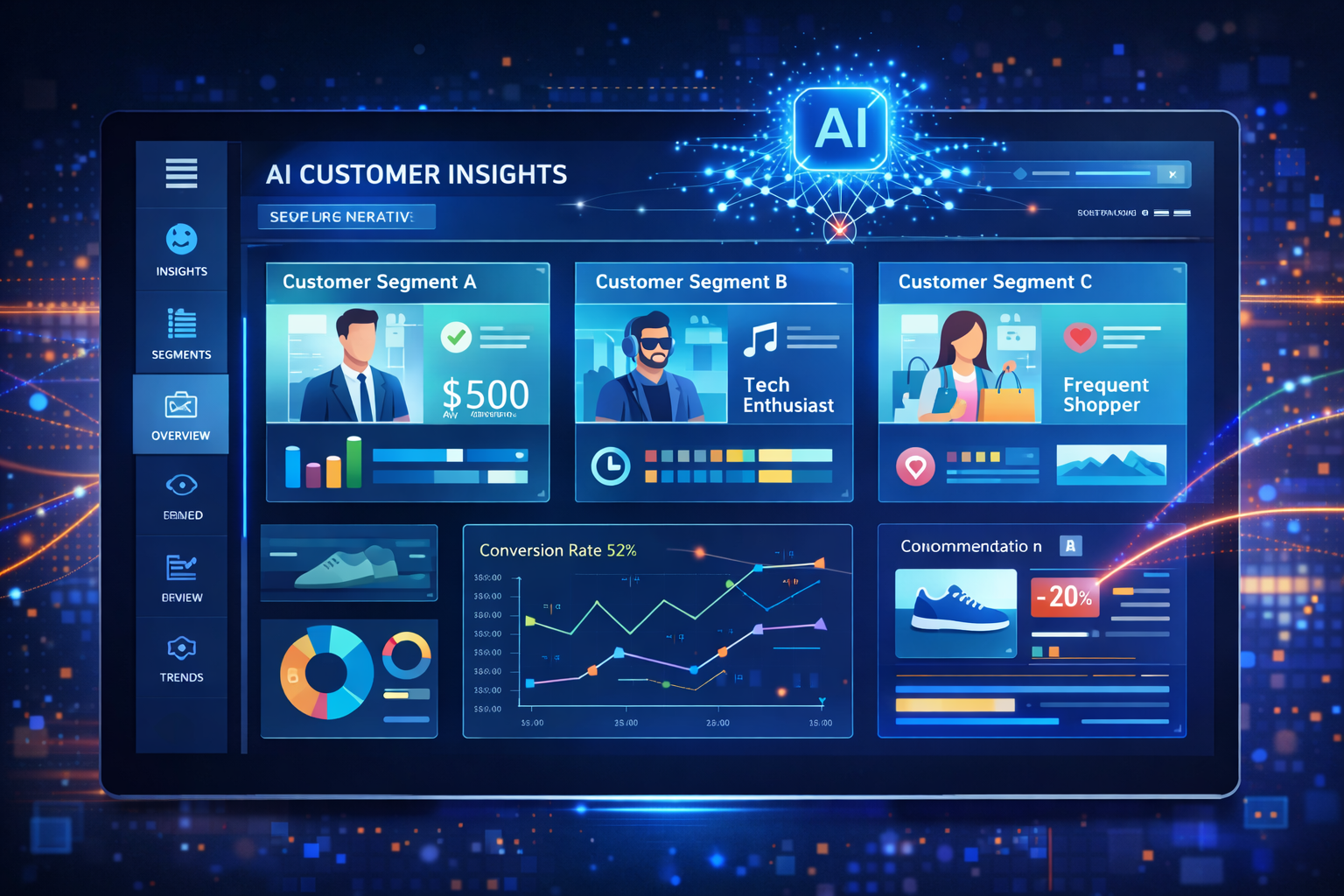
- AI-driven analytics give businesses deeper insights into how users interact with their apps.
A practical example is the use of AI-powered chatbots on websites and mobile apps, which now handle customer queries instantly without human agents. This reduces costs and improves response times significantly.
Web3, Serverless Computing, and Low-Code Platforms Are Gaining Ground
Three major shifts are reshaping how applications are built and hosted in 2025.
Web3 and Decentralized Applications (DApps) are making the internet more secure and transparent. Instead of storing data on central servers, DApps distribute data across multiple nodes. Smart contracts speed up transactions and remove the need for middlemen. Cryptocurrencies, NFT marketplaces, and blockchain-based social platforms are real-world examples of this shift.
Serverless computing is helping businesses cut infrastructure costs. Platforms like AWS Lambda, Google Cloud Functions, and Azure Functions let developers run applications without managing dedicated servers. You only pay for the computing resources you actually use, and apps scale automatically based on demand.
Low-code and no-code development is opening software creation to a much wider audience. Tools like Bubble, OutSystems, and Microsoft Power Apps use drag-and-drop interfaces so businesses can build functional apps without hiring a full development team. This speeds up product launches and reduces costs.
| Trend | Key Benefit | Example Platforms |
|---|---|---|
| Serverless Computing | No server management, pay-per-use | AWS Lambda, Google Cloud Functions |
| Low-Code / No-Code | Faster development, less coding | Bubble, OutSystems, Microsoft Power Apps |
| Web3 / DApps | Decentralization, better security | Ethereum, Polygon-based platforms |
Microservices, DevOps, and CI/CD Are Speeding Up Delivery
Large monolithic applications are giving way to microservices architecture, where apps are broken into smaller, independent services. This approach makes updates easier, improves performance, and lets different teams work on separate parts of the same application simultaneously.
Companies like Netflix and Amazon already rely on microservices to manage user accounts, recommendations, and payment systems independently without one change breaking the entire platform.
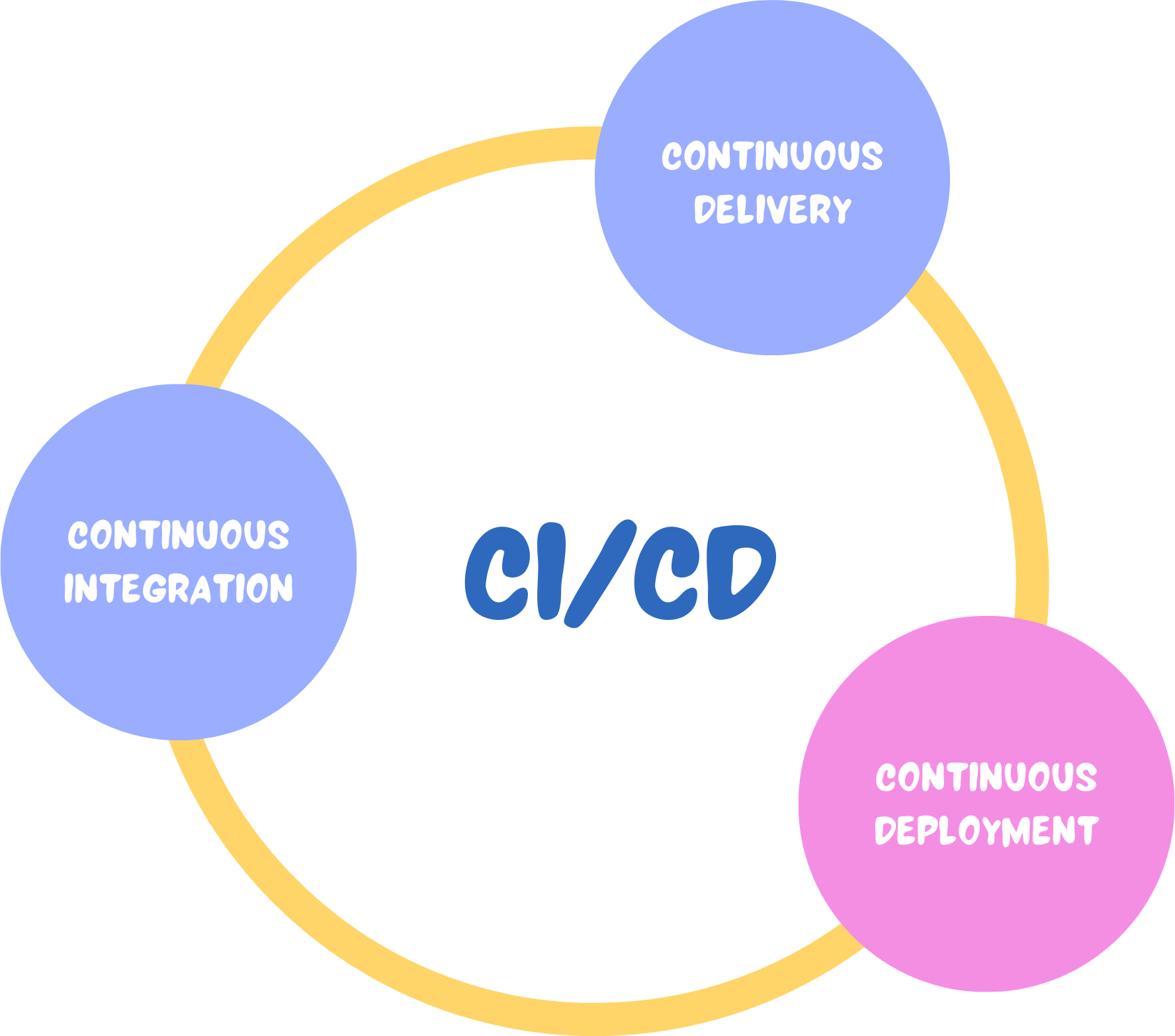
Alongside microservices, DevOps practices and CI/CD pipelines are helping teams release software faster and more reliably. Automated testing catches bugs early, and continuous deployment means new features reach users quickly. Facebook and Amazon are known for pushing updates multiple times a day using CI/CD workflows.
Cybersecurity, PWAs, and AR/VR Are Defining the User Experience
As cyber threats grow more sophisticated, businesses are adopting the Zero-Trust security model, which assumes no user or device is automatically safe. Key practices include:
- Multi-factor authentication (MFA) to add extra verification layers.
- AI-based threat detection to identify and block attacks in real time.
- Data encryption to protect sensitive customer information.
Banks and healthcare companies are among the biggest adopters of zero-trust frameworks to safeguard user data.
Progressive Web Apps (PWAs) are also gaining popularity because they offer an app-like experience directly through a browser, with no download required. They work offline, load fast, and improve user engagement. Twitter, Pinterest, and Starbucks all use PWAs to deliver better digital experiences.
Finally, Augmented Reality (AR) and Virtual Reality (VR) are expanding beyond gaming into e-commerce, education, and remote work. Companies like Meta, Apple, and Google are investing heavily in Metaverse platforms that support virtual offices, meetings, and immersive shopping experiences.
What These Trends Mean for Businesses and Developers
For developers, staying updated on these trends is not optional — it is essential for career growth. Skills in cloud platforms, microservices, cybersecurity, and low-code tools are increasingly in demand.
For businesses, adopting these technologies can mean faster product launches, lower infrastructure costs, stronger security, and better customer experiences. The key is to identify which trends align with your specific goals and invest accordingly.
- Small businesses can benefit most from low-code platforms and serverless computing.
- Enterprises handling sensitive data should prioritize zero-trust security and microservices.
- Consumer-facing brands should explore PWAs and AR/VR to improve engagement.
In 2025, the companies and developers who adapt quickly to these shifts will have a clear advantage over those who stick with older approaches.