Engineering design is changing fast. Products are no longer just built to function — they are now built to think, sense, and adapt. Design for Sensing and Digitalisation (DSD) is the approach that makes this possible. By embedding sensors and digital technologies right from the start of the design process, engineers are creating machines and systems that can monitor themselves, share data, and improve over time.
What Is Design for Sensing and Digitalisation (DSD)?
DSD is an engineering design philosophy that integrates sensors and digital capabilities into products and systems from the very beginning — not as an afterthought. The goal is to build products that do not just work, but also gather data, communicate information, and become smarter with use.
Some real-world examples of DSD in action include:
- A car that continuously monitors its own engine health and alerts the driver before a breakdown.
- A bridge fitted with sensors that measure structural strength and detect wear over time.
- A factory machine that signals maintenance teams when it needs servicing, reducing unplanned downtime.
In simple terms, DSD combines clever physical design with digital intelligence to create products that are aware of their own condition and environment.
Why DSD Matters for Modern Industries
Traditional engineering followed a straightforward path: design, build, test, and deploy. Once a product was out in the field, engineers had limited visibility into how it was actually performing. DSD changes that entirely.
With sensors and digital tools built in, products can monitor themselves while they operate. This gives industries several important advantages:
- Early fault detection: Problems are identified before they cause failures or accidents.
- Performance optimisation: Real-time data helps fine-tune how systems operate.
- Reduced waste: Smarter systems use only the energy and resources they actually need.
- Lower maintenance costs: Predictive maintenance replaces expensive reactive repairs.
- Fewer operational stoppages: Systems stay running longer with fewer unexpected breakdowns.
For industries like manufacturing, infrastructure, automotive, and energy, DSD is not just a technical upgrade — it is a shift in how value is created and maintained.
Key Technologies That Power DSD
DSD relies on a combination of hardware and software technologies working together. The sensor data collected from physical products is only useful when the right digital tools are in place to process and act on it.
| Technology | Role in DSD |
|---|---|
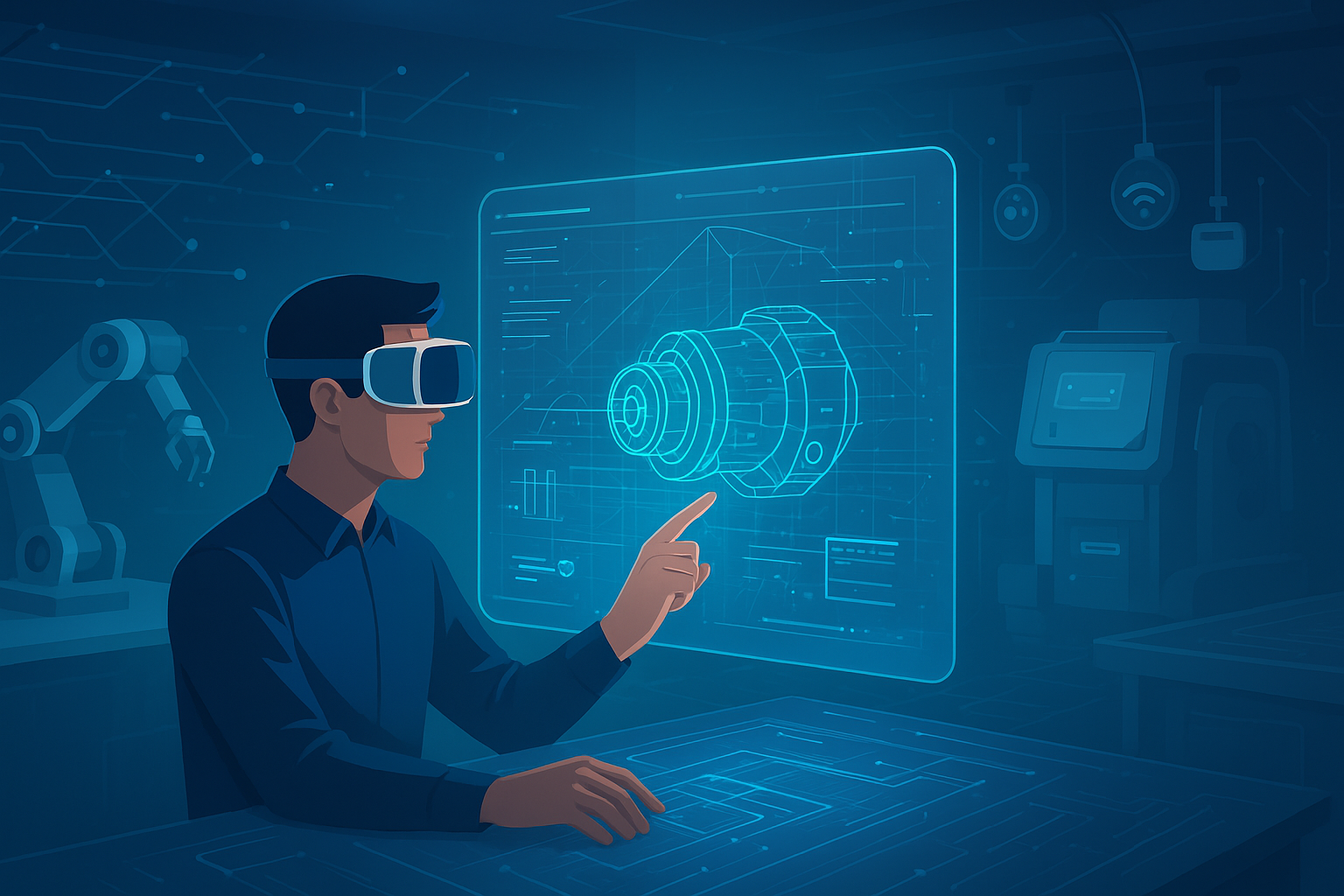
| Digital Twins | A real-time digital replica of a physical product that mirrors its actual performance and condition. |
| AI and Machine Learning | Analyses sensor data to predict failures, optimise performance, and improve future designs. |
| Cloud and Edge Computing | Stores and processes large volumes of sensor data quickly and efficiently. |
| IoT Sensors | Collect real-world data on temperature, pressure, vibration, load, and more. |
Together, these technologies allow engineers to make better decisions faster and build products that can adapt and improve throughout their lifecycle.
Key Benefits of Adopting DSD in Engineering
When DSD principles are applied correctly, the benefits extend across the entire product lifecycle — from design and manufacturing to operation and end-of-life.
- Live monitoring: Products report their own health status in real time, giving operators full visibility.
- Early problem detection: Sensors catch issues at an early stage, well before they escalate into costly failures.
- Eco-friendly outcomes: Data-driven design reduces unnecessary energy use and material waste.
- Continuous improvement: Each product generation learns from the data of previous ones, making designs progressively better.
- Improved safety: Sensors trigger immediate alerts when unsafe conditions are detected, protecting both people and assets.
For engineers, DSD means designing with purpose — every component, every sensor, and every data point serves a clear function in making the product smarter and more reliable.
What the Future of Engineering Design Looks Like
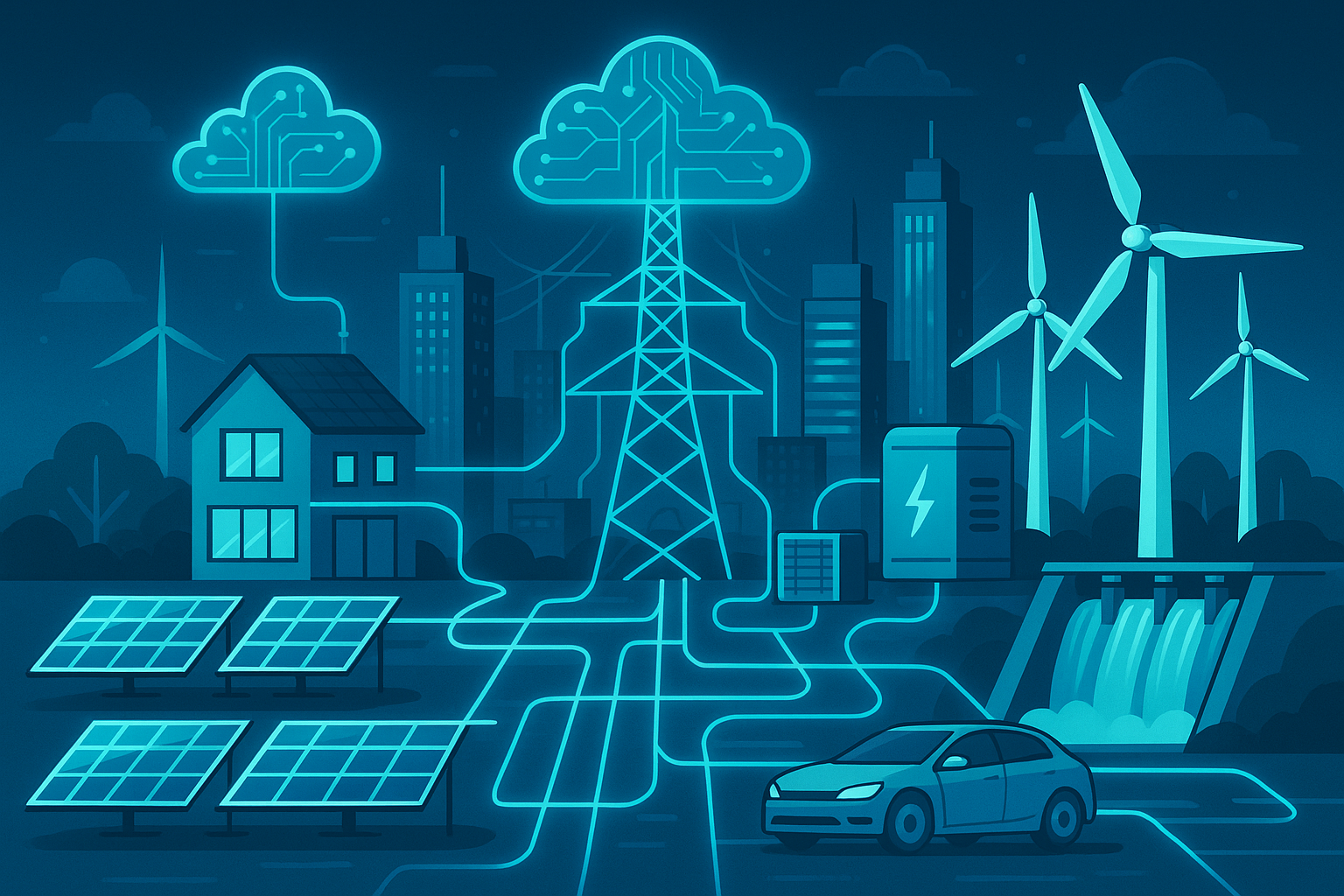
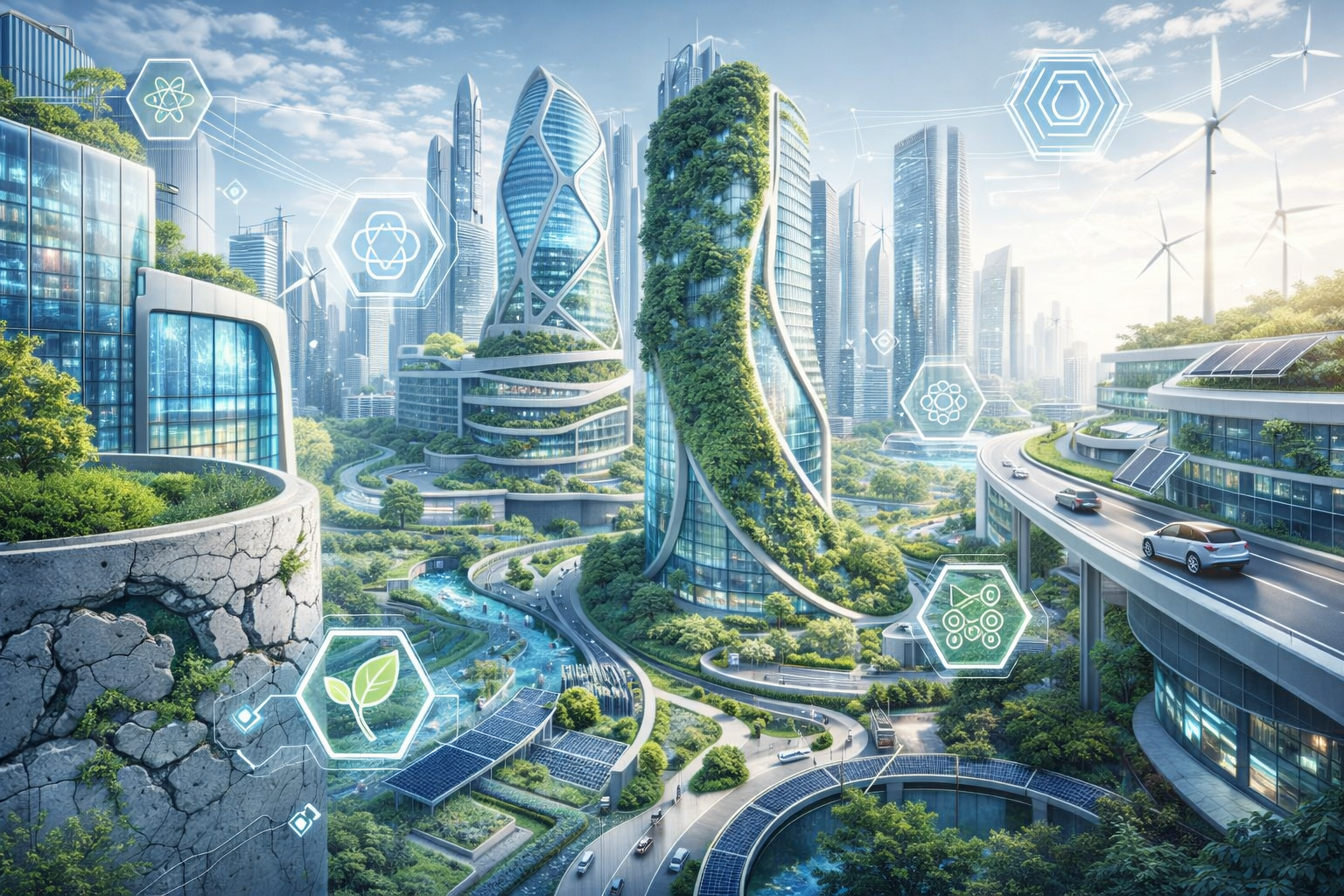
The direction is clear. In the coming years, virtually every engineered product — from household appliances and vehicles to bridges and entire city infrastructure — will have sensing and digital capabilities built in as standard.
Smart homes, connected factories, autonomous vehicles, and intelligent urban systems are all products of this shift. Engineers of the next generation will not just design machines. They will design digital ecosystems — interconnected systems that collect data, learn from it, and continuously improve without human intervention.
This also means that engineering education and practice must evolve. Understanding sensors, data systems, cloud platforms, and machine learning is becoming as essential as understanding materials and mechanics.
Design for Sensing and Digitalisation is not a trend. It is the new foundation of engineering design — and the industries that adopt it early will hold a significant competitive advantage in the years ahead.