The way we produce, distribute, and consume electricity is changing fast. Smart grids are at the centre of this shift, bringing intelligence and real-time control to power networks that were built decades ago. From reducing energy waste to supporting solar and wind power, smart grids are reshaping how homes, businesses, and cities use electricity.
What Is a Smart Grid?
A smart grid is an upgraded version of the traditional electricity network. It uses digital technology, sensors, and real-time data to manage how power is generated, moved, and used across the grid.
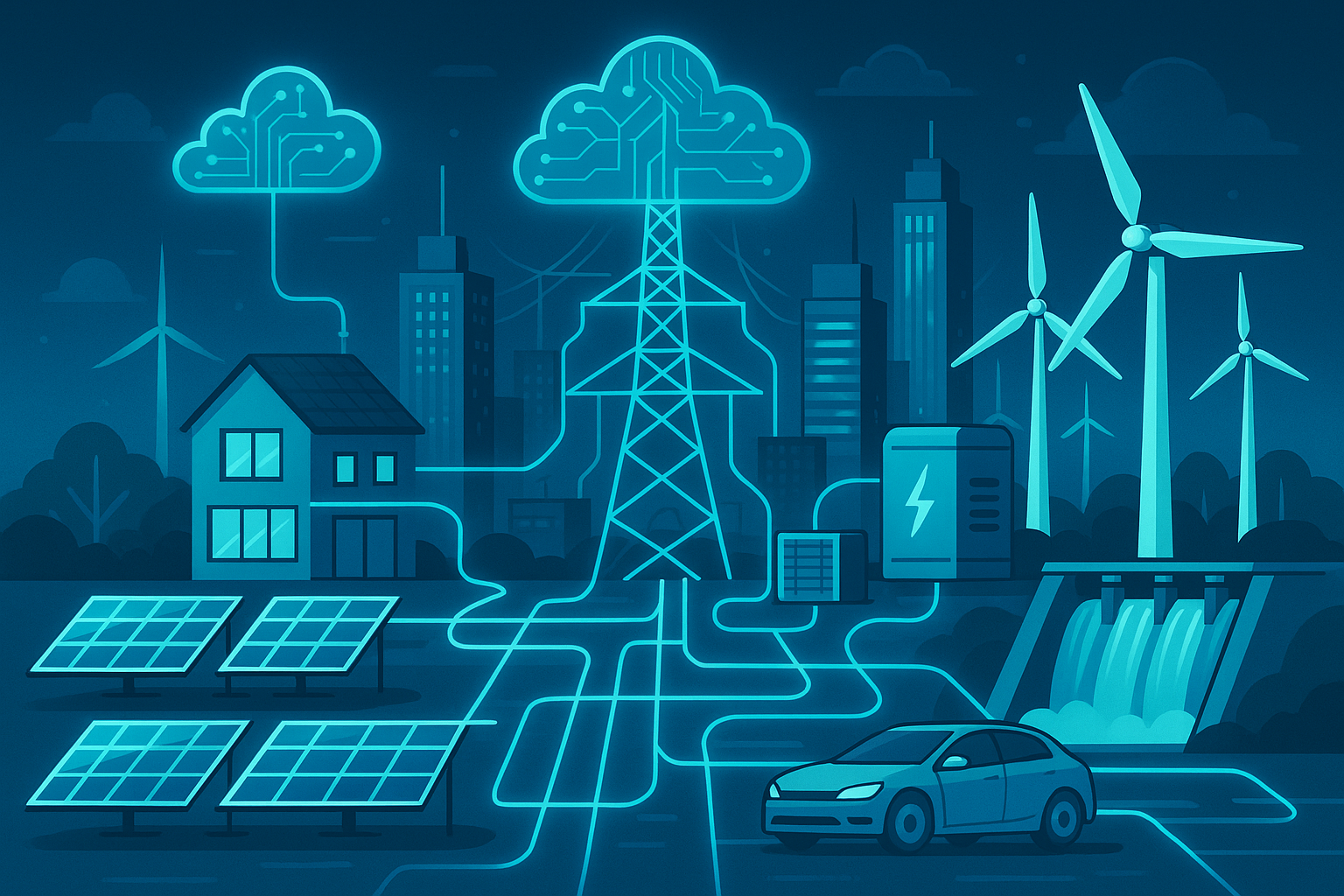
Unlike older power systems that work in one direction — from power plant to consumer — a smart grid creates a two-way flow of both electricity and information. This means the system can monitor demand, detect faults, and adjust supply automatically without waiting for human intervention.
Think of it as the difference between a basic landline telephone and a modern smartphone. The core function is the same, but the smart version is faster, more efficient, and far more capable.
Why Smart Grids Are Needed Now
Global electricity demand is rising steadily. At the same time, countries are pushing to add more renewable energy sources like solar panels and wind turbines to their power mix. Traditional grids were not designed to handle this kind of complexity.
Smart grids help solve this problem by:
- Maintaining stable power flow even during peak demand periods
- Reducing energy waste across the distribution network
- Making it easier to integrate solar and wind power into the grid
- Lowering electricity costs for homes and businesses over time
- Detecting and responding to outages faster than conventional systems
Without smart grid infrastructure, scaling up renewable energy becomes much harder. The grid needs to be as flexible as the energy sources feeding into it.
How Smart Grids Actually Work
Smart grids rely on a network of smart meters, sensors, and communication systems that collect and share data in real time. Here is how the process works:
- Smart meters installed at homes and businesses track energy usage minute by minute and send that data back to the utility provider.
- Sensors placed across the grid monitor voltage, current, and equipment health continuously.
- Automated systems use this data to balance supply and demand, reroute power during faults, and prevent outages before they happen.
- Two-way communication allows both the utility and the consumer to make informed decisions about energy use.
The result is a power network that can think, react, and adapt — something the old grid simply could not do.
Benefits for Everyday Consumers
Smart grids are not just useful for energy companies and governments. They have direct, practical benefits for ordinary people:
- Detailed energy usage data through smart meters helps households understand where they are spending the most on electricity.
- Faster outage detection and repair means power is restored more quickly after disruptions.
- Time-of-use pricing allows consumers to shift energy-heavy tasks like laundry or dishwashing to off-peak hours when electricity is cheaper.
- Easy integration of rooftop solar panels and home batteries lets households feed surplus energy back into the grid and earn credits.
- Better control over energy bills through apps and real-time monitoring tools connected to smart meters.
| Feature | Traditional Grid | Smart Grid |
|---|---|---|
| Communication | One-way | Two-way |
| Fault Detection | Manual | Automated |
| Renewable Integration | Difficult | Supported |
| Consumer Data | Monthly billing only | Real-time usage tracking |
| Energy Efficiency | Lower | Higher |
Smart Grids and Renewable Energy
One of the biggest challenges with solar and wind power is that they are intermittent — the sun does not always shine and the wind does not always blow. This creates unpredictable spikes and drops in energy supply.
Smart grids are built to handle exactly this kind of variability. They can balance clean energy output with power from other sources, store surplus energy in batteries, and redirect supply across the network to ensure consistent availability.
This makes smart grids essential infrastructure for any country serious about meeting its renewable energy targets and reducing carbon emissions.
Challenges in Building Smart Grid Infrastructure
Despite the clear advantages, rolling out smart grids is not without difficulty. Key challenges include:
- High upfront investment — upgrading existing grid infrastructure requires significant capital from governments and utilities.
- Cybersecurity risks — a digitally connected grid creates new vulnerabilities that need strong protection against cyberattacks.
- Data privacy concerns — smart meters collect detailed usage data, raising questions about how that information is stored and used.
- Interoperability issues — different systems and devices need to work together, which requires common standards across the industry.
- Rural connectivity gaps — deploying smart grid technology in remote or underserved areas remains a logistical challenge.
Addressing these challenges requires coordinated effort between governments, energy companies, technology providers, and regulators.
Smart grids represent a fundamental shift in how energy systems operate. As cities grow, populations increase, and the push for cleaner energy intensifies, the need for intelligent, responsive power networks will only grow stronger. For consumers, businesses, and policymakers alike, understanding smart grids is becoming as important as understanding the electricity they depend on every day.