
Robotics is entering a new phase. A new class of intelligent machines called agentic AI robots is changing how automation works — not by following fixed instructions, but by thinking, deciding, and acting on their own. This shift is already reshaping industries from manufacturing to healthcare.
What Are Agentic AI Robots?
Agentic AI robots are intelligent machines powered by advanced artificial intelligence. Unlike traditional robots that wait for step-by-step instructions, these robots are built to work independently toward a defined goal.
They are capable of:
- Understanding a task or goal without detailed instructions
- Analyzing their surroundings using sensors and cameras
- Deciding the best action to take in real time
- Learning from past experiences to improve future performance
In practical terms, agentic AI robots behave more like decision-makers than simple machines. They do not just execute — they think.
How They Differ from Traditional Robots
Traditional robots are programmed to follow fixed rules. They perform well in controlled environments but struggle when something unexpected happens. If a situation falls outside their programmed instructions, they stop or fail.
Agentic AI robots handle this differently. They can adapt in real time, adjust their actions when conditions change, and continue working without human intervention. If an obstacle appears in their path, they do not wait for a new command — they decide on their own whether to stop, go around, or change direction entirely.
| Feature | Traditional Robots | Agentic AI Robots |
|---|---|---|
| Decision-Making | Follows fixed commands | Makes independent decisions |
| Adaptability | Limited to programmed rules | Adapts to changing conditions |
| Learning | No learning capability | Learns continuously from experience |
| Human Supervision | Requires constant oversight | Works with minimal supervision |
How Agentic AI Robots Make Decisions
These robots rely on a combination of technologies to function autonomously. Sensors and cameras collect real-time data from the environment. Advanced AI models process that data, understand the context, and select the most appropriate action.
The decision-making process happens in milliseconds. For example, a warehouse robot detecting a misplaced item does not pause for human input — it identifies the issue, determines the correct action, and resolves it on its own.
This ability to process, interpret, and act without delay is what makes agentic AI robots significantly more capable than earlier generations of automation technology.
Continuous Learning and Self-Improvement
One of the most important qualities of agentic AI robots is their ability to learn continuously. Each task they complete adds to their knowledge base. Over time, they become more accurate, more efficient, and better at handling complex situations.
This means businesses do not need to frequently reprogram their robots. The system improves itself through experience, reducing errors and increasing productivity without constant manual updates.
Industries Where Agentic AI Robots Are Already Active
Agentic AI robots are being deployed across a wide range of sectors:
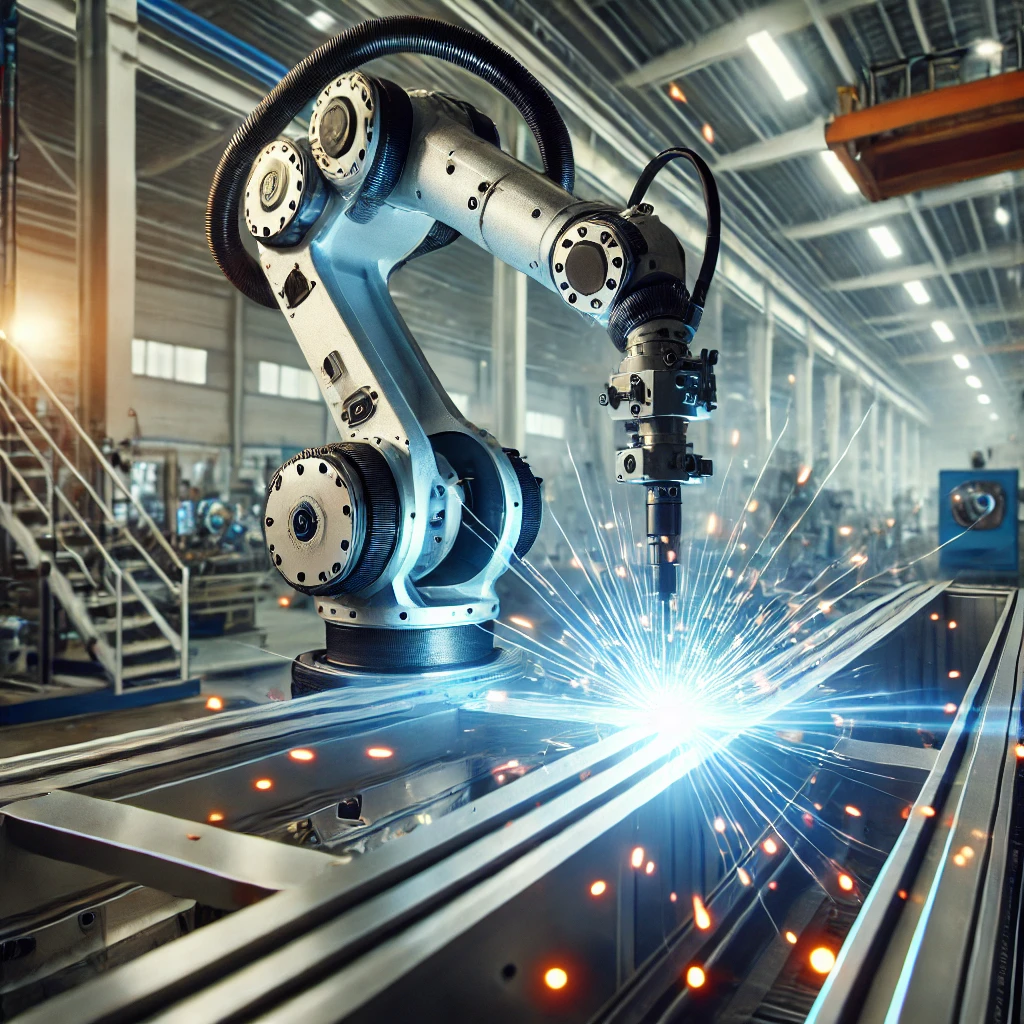
- Manufacturing: Robots automatically adjust workflows based on real-time production needs, reducing downtime and waste.
- Warehousing and Logistics: They manage inventory, select efficient delivery routes, and handle sorting without human direction.
- Healthcare: Robots assist patients and medical staff by responding to real-time conditions in hospitals and care facilities.
- Retail and Customer Service: They interact with customers, answer queries, and resolve issues independently.
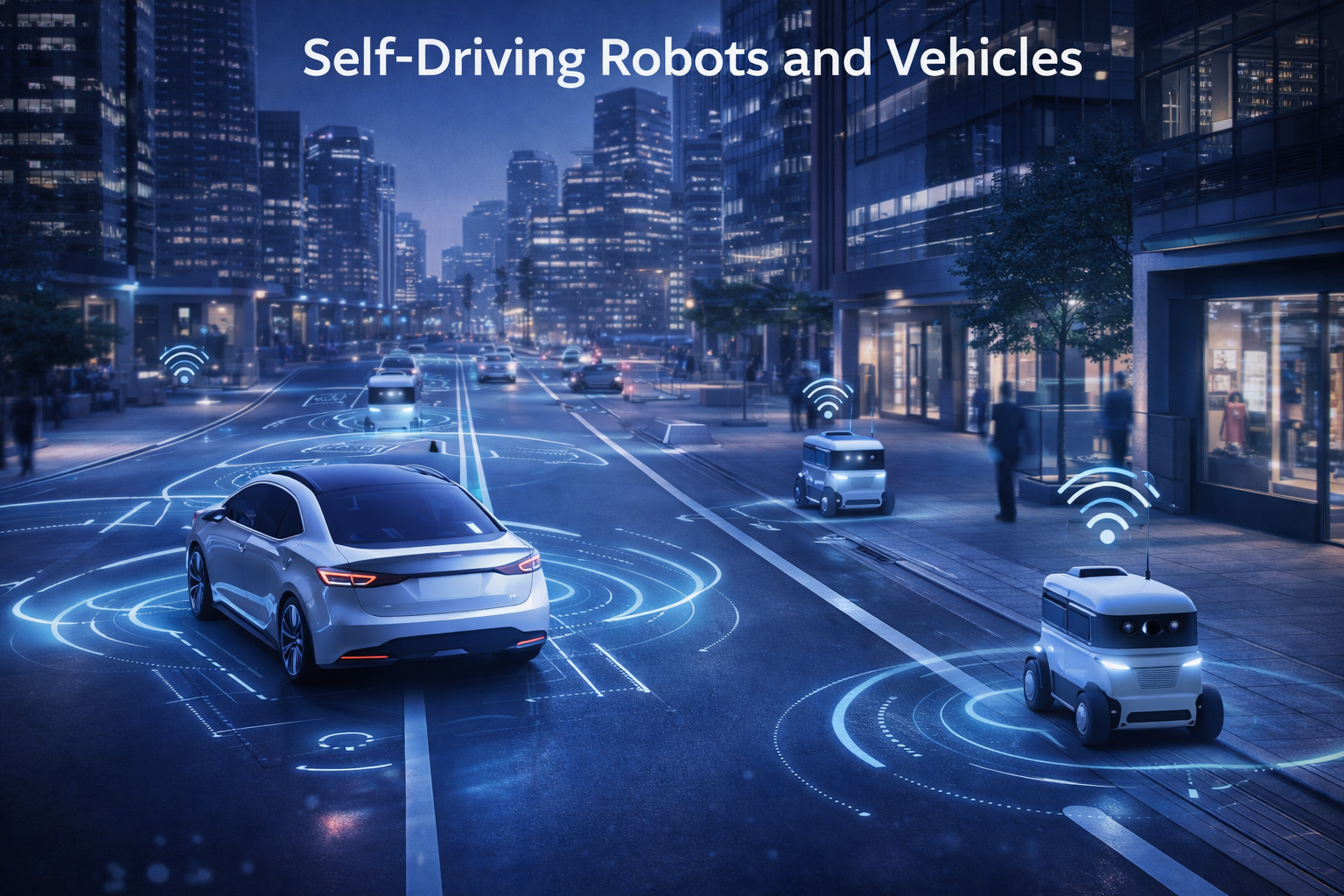
- Smart Cities: Autonomous systems help manage traffic flow, waste collection, and public infrastructure.
Key Benefits for Businesses and Industries
The shift to agentic AI robots brings measurable advantages for organizations that adopt them:
- Higher efficiency — tasks are completed faster with fewer interruptions
- Reduced human workload — staff can focus on higher-value responsibilities
- Better accuracy — autonomous decision-making reduces human error
- Lower long-term costs — less need for constant reprogramming or supervision
- Improved scalability — systems can expand without proportional increases in staffing
Challenges and Risks That Cannot Be Ignored
Despite their capabilities, agentic AI robots come with serious challenges that businesses and policymakers must address carefully.
Safety is the most pressing concern. When a machine makes autonomous decisions, those decisions must not put people or property at risk. Clear safety protocols and fail-safes are essential.
Ethical responsibility is another issue. Who is accountable when an autonomous robot makes a wrong decision? These questions are still being debated across industries and governments.
Data security also matters. These robots collect and process large amounts of real-world data. Protecting that data from misuse or breaches is critical, especially in sensitive sectors like healthcare and finance.
What the Future Looks Like
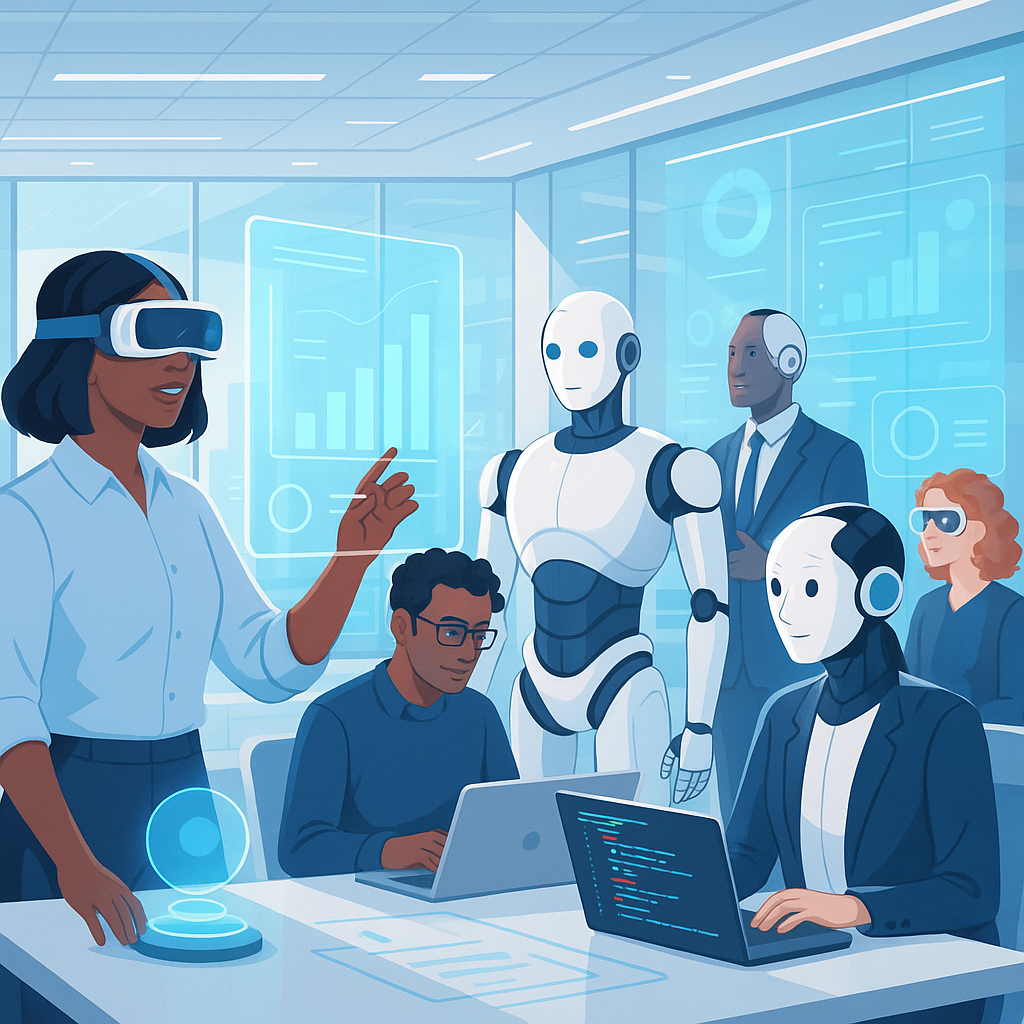
The direction of automation is moving toward human-robot collaboration rather than full replacement. Agentic AI robots are expected to work alongside people, handling repetitive or complex tasks while humans focus on creativity, strategy, and oversight.
As the underlying technology matures, these robots will become more affordable and accessible — making their presence felt not just in large industries, but also in smaller businesses, homes, and public spaces.
Agentic AI robots mark a genuine turning point in robotics. They are no longer passive tools waiting for commands. They are active, intelligent systems that understand goals, make real-time decisions, and grow smarter with every task. For industries ready to adopt them responsibly, they offer a powerful path toward more capable and efficient automation.