Artificial intelligence is no longer a one-size-fits-all tool. In engineering, where precision and safety are non-negotiable, domain-specific AI models are proving far more effective than general-purpose systems. These focused AI systems are built to understand the language, standards, and challenges of a single engineering discipline — and they are changing how engineers work every day.
What Are Domain-Specific AI Models in Engineering?
Domain-specific AI models are artificial intelligence systems designed to operate within one particular engineering field. Unlike general AI tools that handle a wide range of tasks, these models focus entirely on a single domain — such as civil, mechanical, electrical, or software engineering.
Because of this narrow focus, they deliver more accurate outputs, understand industry-specific terminology, and follow the technical standards that matter most in each field. A civil engineering AI model, for example, understands structural load calculations and building codes — something a general AI tool may not handle with the same depth.
How These AI Models Are Trained
The strength of domain-specific AI comes from the data it learns from. These models are trained on engineering-specific datasets that include:
- Design files and CAD drawings
- Technical documents and manuals
- Sensor and equipment data
- Real-world project records and outcomes
- Industry standards and compliance guidelines
By learning from this targeted data, the AI builds a deep understanding of engineering workflows, common failure patterns, and best practices. This makes its predictions and recommendations far more relevant and reliable than those from a general-purpose model.
Why Engineering Demands Specialized AI
General AI tools have their place, but engineering is a field where errors can have serious consequences — from structural failures to electrical faults and manufacturing defects. This is why domain-specific AI models are gaining ground fast.
They offer domain-aware insights that account for real engineering constraints. They reduce human error in complex calculations. They also help teams make faster decisions without sacrificing accuracy. In short, they are built for the demands that general tools simply cannot meet.
Applications Across Key Engineering Disciplines
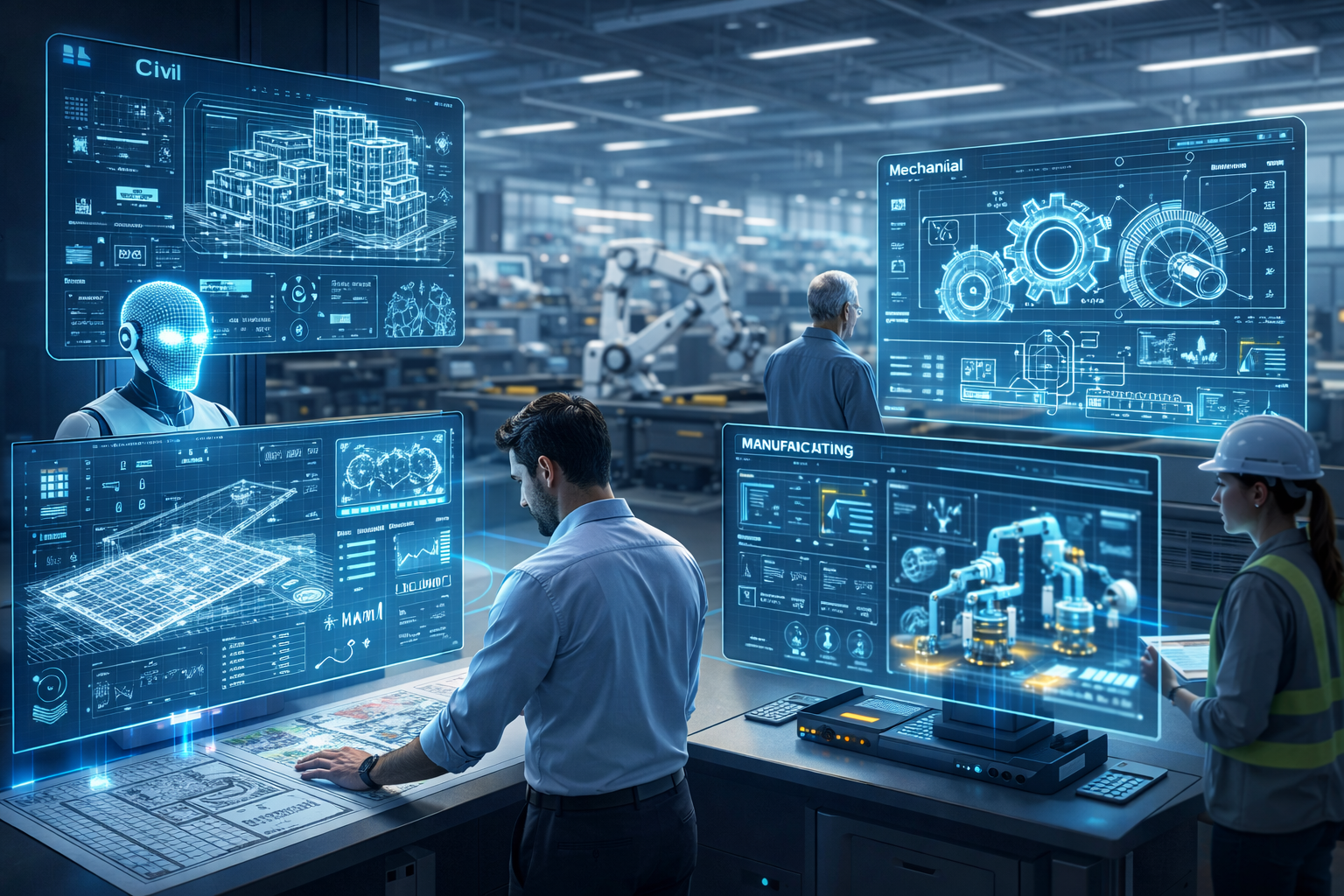
Domain-specific AI is already being used across multiple engineering sectors. Here is a quick look at how different fields are benefiting:
| Engineering Field | Key AI Applications |
|---|---|
| Mechanical Engineering | Product design improvement, early defect detection |
| Civil Engineering | Structural analysis, maintenance planning |
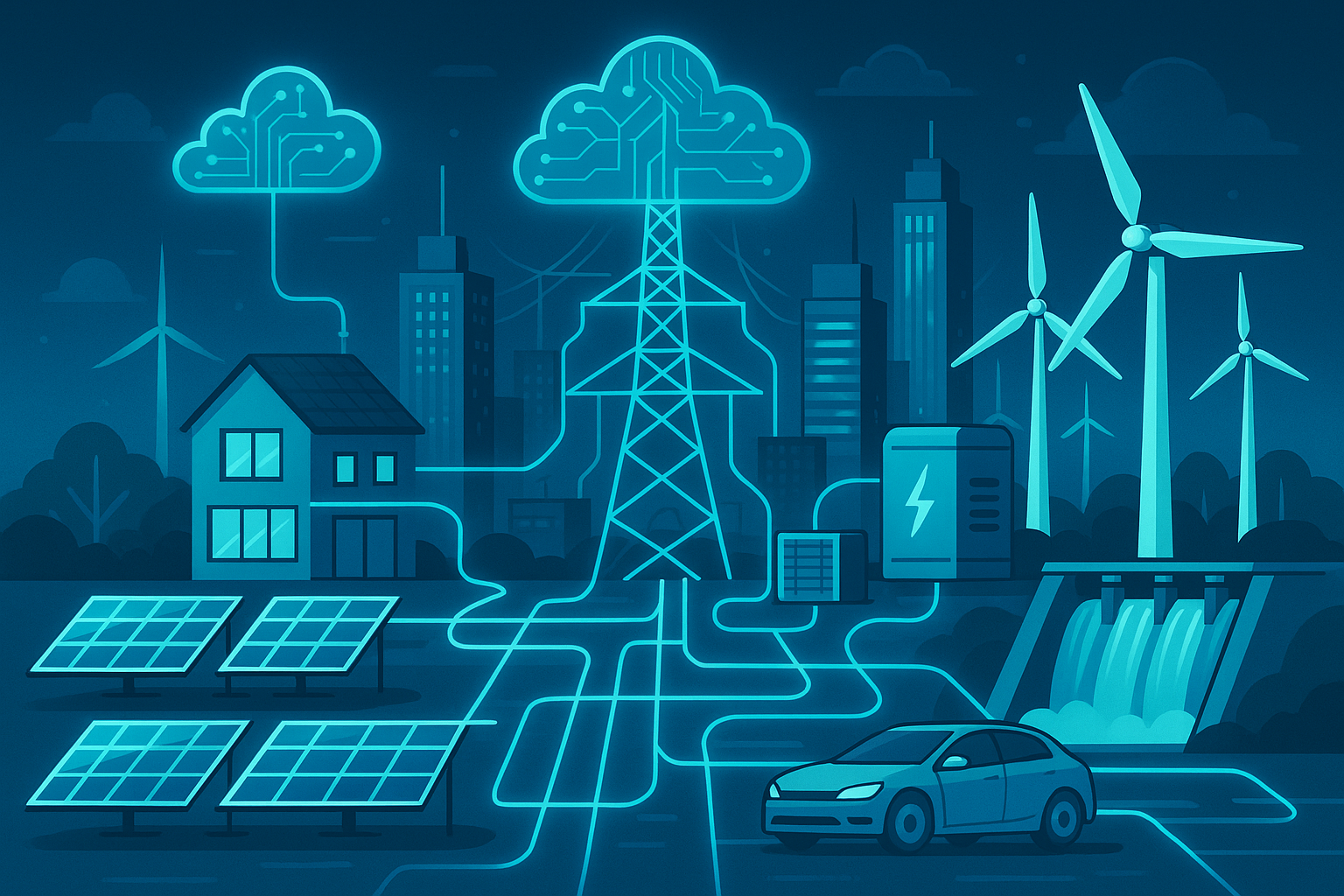
| Electrical Engineering | Power system monitoring, fault detection |
| Manufacturing | Quality control, process efficiency |
| Software Engineering | Code review, bug prediction, automated testing |
Each of these applications shows how a focused AI model can add real value when it understands the specific challenges of its field.
Benefits for Engineers and Their Organizations
The practical advantages of domain-specific AI models go beyond just better accuracy. Here is what engineers and organizations stand to gain:
- Time savings: Automating repetitive analysis tasks frees engineers to focus on higher-level problem solving.
- Improved accuracy: Fewer errors in design, analysis, and quality checks.
- Faster decision-making: Real-time insights help teams respond quickly to issues.
- Lower operational costs: Reduced rework and waste translate directly into savings.
- Better safety outcomes: Early detection of faults and risks helps prevent accidents.
The Road Ahead: AI in the Future of Engineering
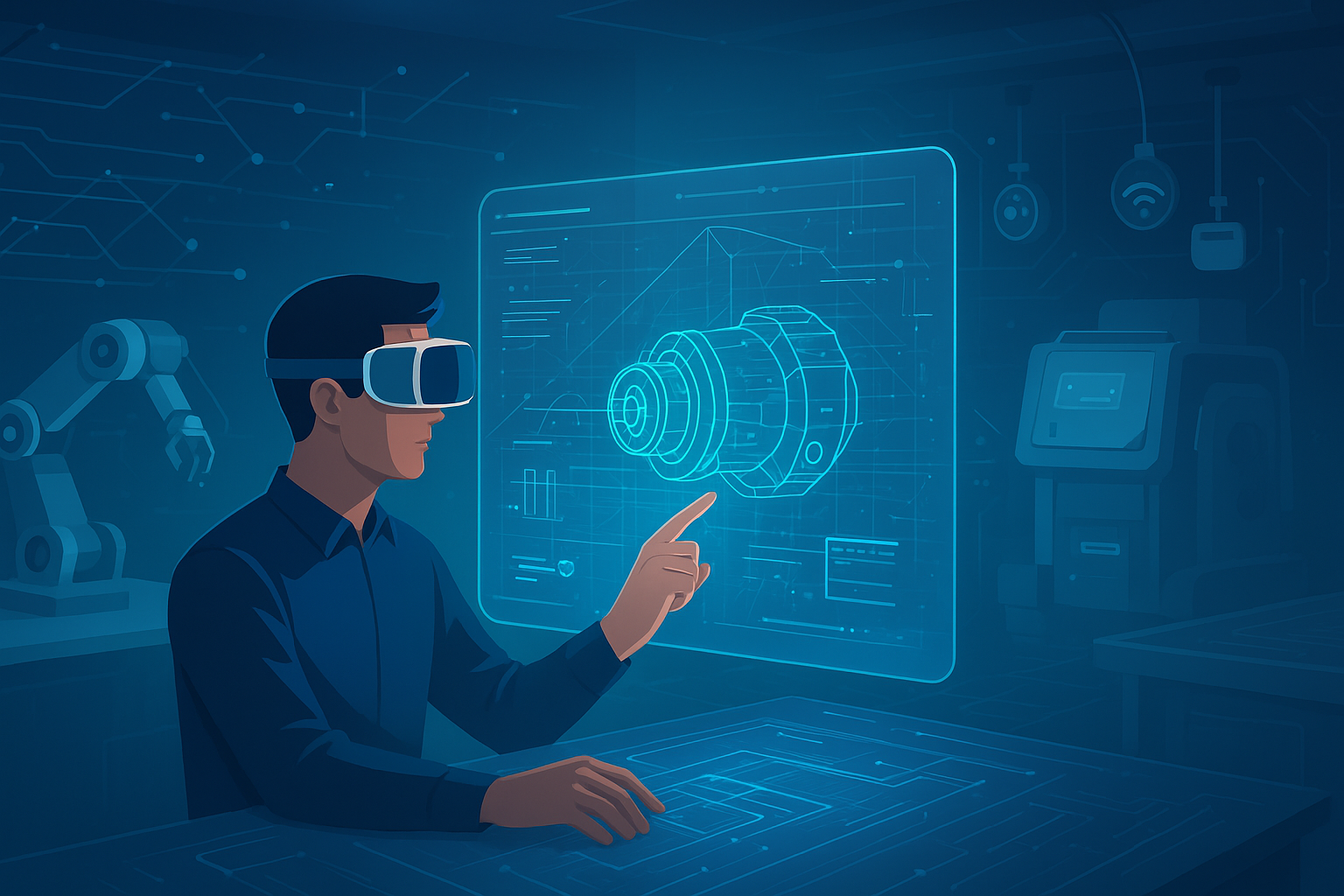
As engineering continues to adopt digital technologies, domain-specific AI models will become central to how projects are planned, executed, and monitored. They are expected to play a key role in powering smart factories, enabling digital twin simulations, and supporting Industry 4.0 systems that connect machines, data, and human expertise.
In the years ahead, these AI models will help engineers design safer structures, build more efficient machines, and manage complex systems with greater confidence. The shift toward specialized AI is not just a trend — it is becoming a core part of modern engineering practice.
For engineering teams looking to stay competitive, adopting domain-specific AI is no longer optional. It is a practical step toward building smarter, more reliable, and more efficient operations.