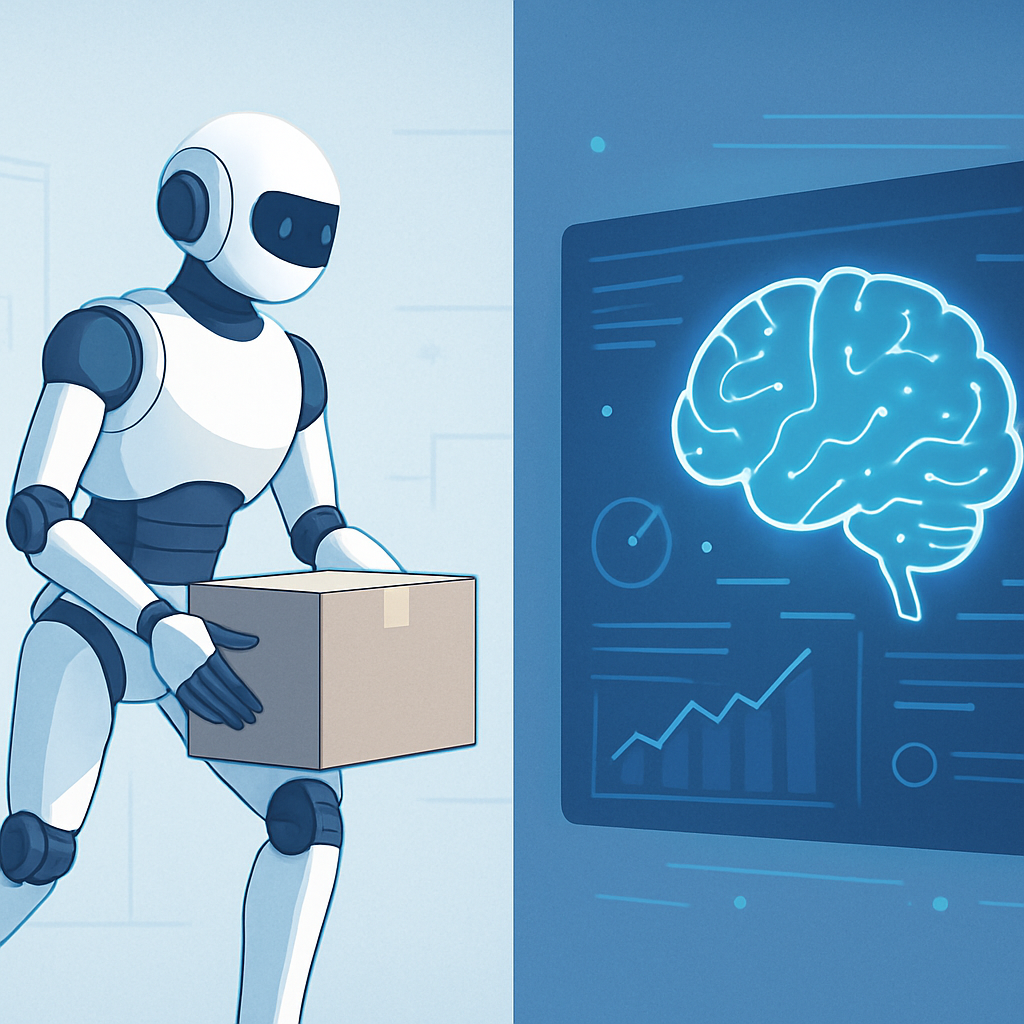
Smart robots are no longer a distant concept from science fiction. Powered by Artificial Intelligence, they are actively working in factories, hospitals, farms, and homes right now. To understand how these machines operate, it helps to know the two main types: Physical AI Robots and Analytical AI Robots. Each type serves a different purpose, but together they are reshaping how industries function.
What Are Physical AI Robots?
Physical AI robots are machines that move and interact with the real world. They use AI to understand their surroundings and carry out tasks like walking, lifting, sorting, or avoiding obstacles — all without needing step-by-step human instructions.
These robots rely on sensors, cameras, and machine learning to make real-time decisions. They can adapt to changes in their environment, which makes them far more capable than older, pre-programmed machines.
A clear example is a warehouse robot that identifies different boxes, picks them up carefully, and places them in the correct location — entirely on its own. Companies like Amazon and Flipkart already use such robots in their fulfillment centers to speed up order processing.
What Are Analytical AI Robots?
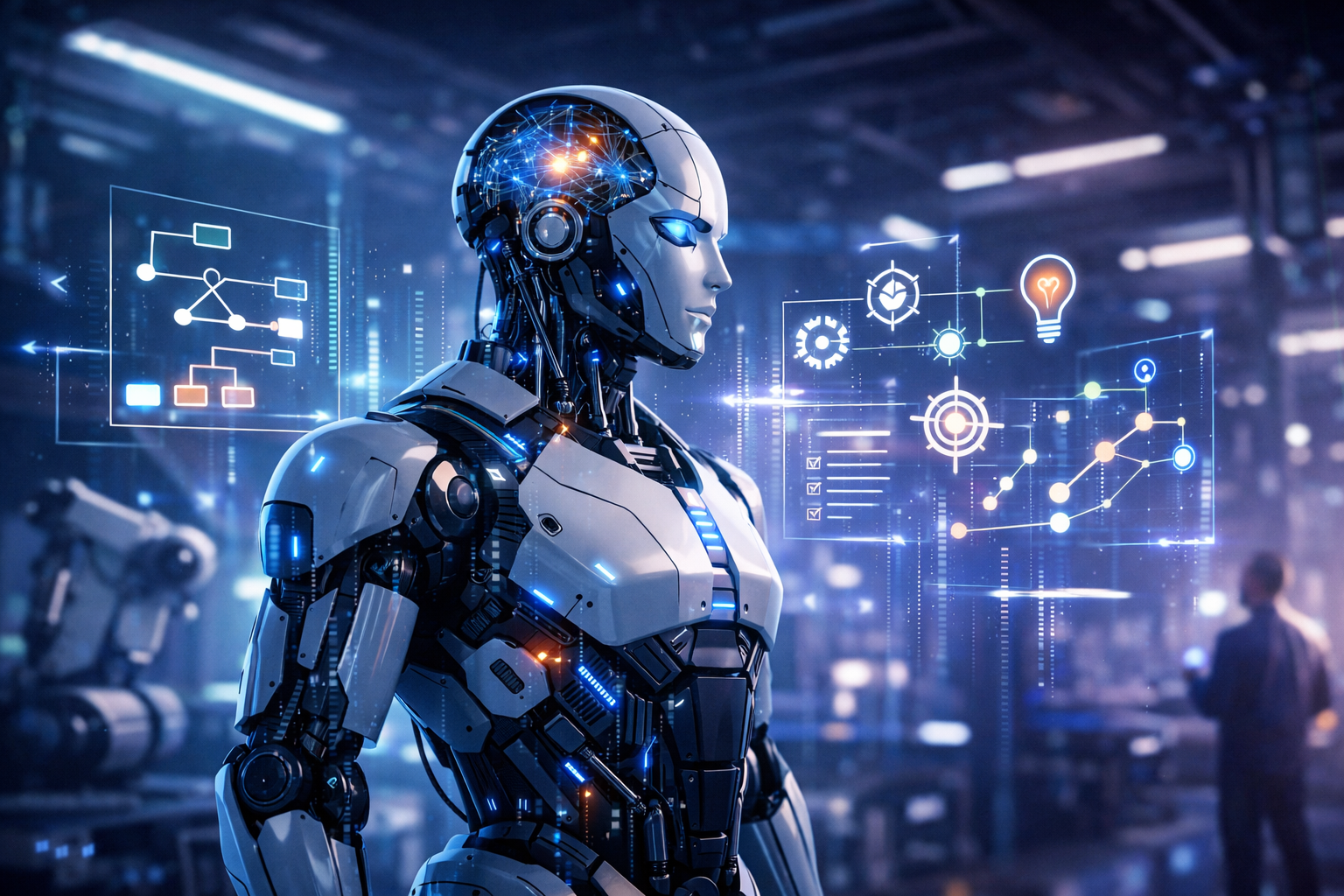
Analytical AI robots do not move around like physical robots. Instead, they act as a smart processing system. Their job is to collect data, find patterns, and make decisions or predictions based on that information.
Think of them as the brain behind an operation. They monitor systems, flag problems before they become serious, and help businesses make smarter choices based on real data.
A practical example is a factory monitoring system that tracks machine performance around the clock. If a machine shows signs of wear or unusual behavior, the system alerts the maintenance team before a breakdown happens — saving both time and money.
Physical AI vs Analytical AI: A Quick Comparison
| Feature | Physical AI Robots | Analytical AI Robots |
|---|---|---|
| Primary Function | Perform physical tasks | Analyze data and make decisions |
| Movement | Yes, they move in the environment | No physical movement involved |
| Key Technology | Sensors, cameras, actuators | Data processing, machine learning |
| Common Use | Warehouses, hospitals, agriculture | Factories, finance, healthcare monitoring |
| Example | Warehouse sorting robot | Predictive maintenance system |
Why AI-Powered Robots Are Important in 2025
Businesses across the world are under pressure to work faster, reduce costs, and improve accuracy. AI-powered robots address all three needs at once. Here is why they matter:
- Speed: Robots complete tasks much faster than manual processes in factories and warehouses.
- Accuracy: They reduce human error in repetitive or high-precision tasks.
- Cost savings: Predictive systems prevent expensive machine breakdowns before they occur.
- Safety: Robots take on dangerous or physically demanding jobs, keeping human workers out of harm’s way.
- Consistency: Unlike humans, robots do not tire or lose focus, ensuring steady output quality.
These benefits are driving adoption across sectors including manufacturing, healthcare, agriculture, logistics, and even home services.
Real-World Applications Across Industries
AI robots are already making a measurable difference in several key sectors:
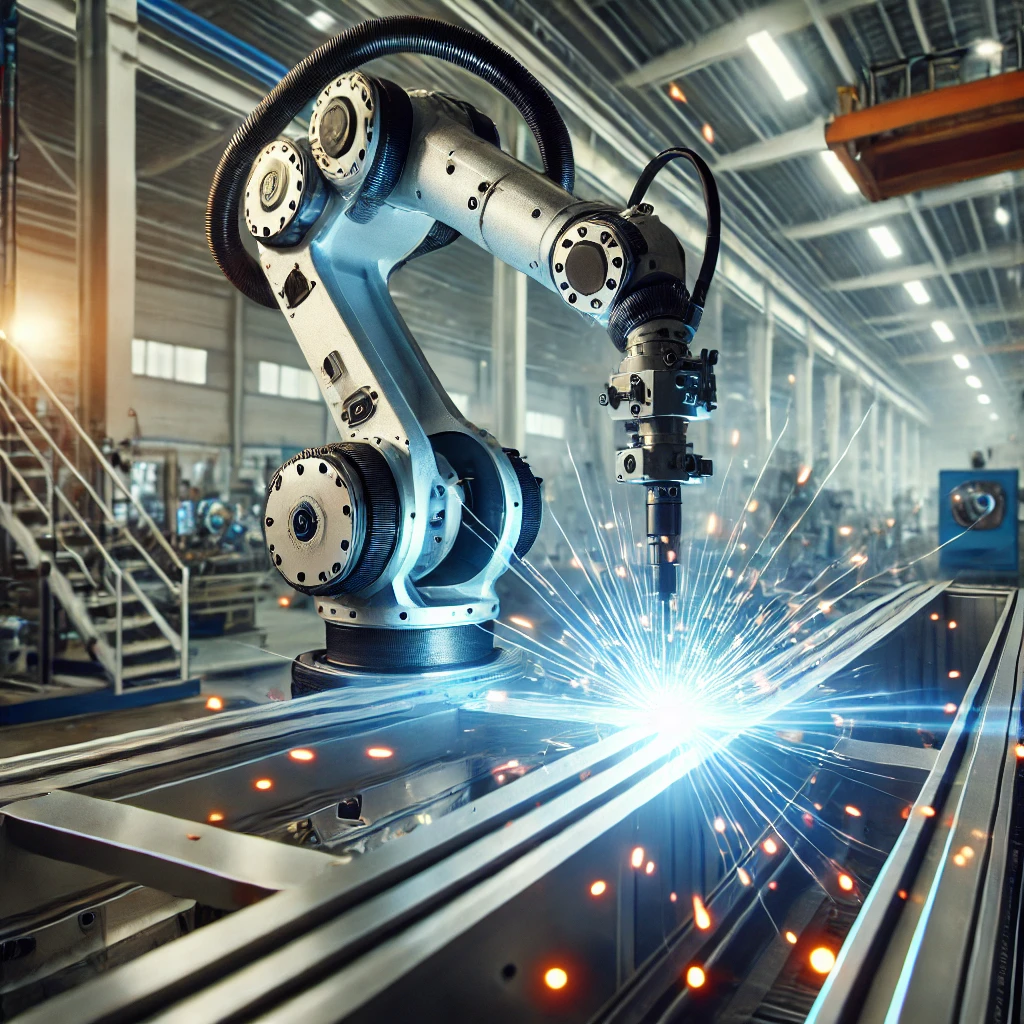
- Factories and manufacturing: Robots move products along assembly lines, detect defects in real time, and assist with machine repairs.
- Hospitals and healthcare: Some robots deliver medicines to wards, guide patients through large hospital buildings, or assist surgeons with precision tasks.
- Agriculture: Robots plant seeds, monitor soil health, water crops at the right time, and even harvest produce with minimal human involvement.
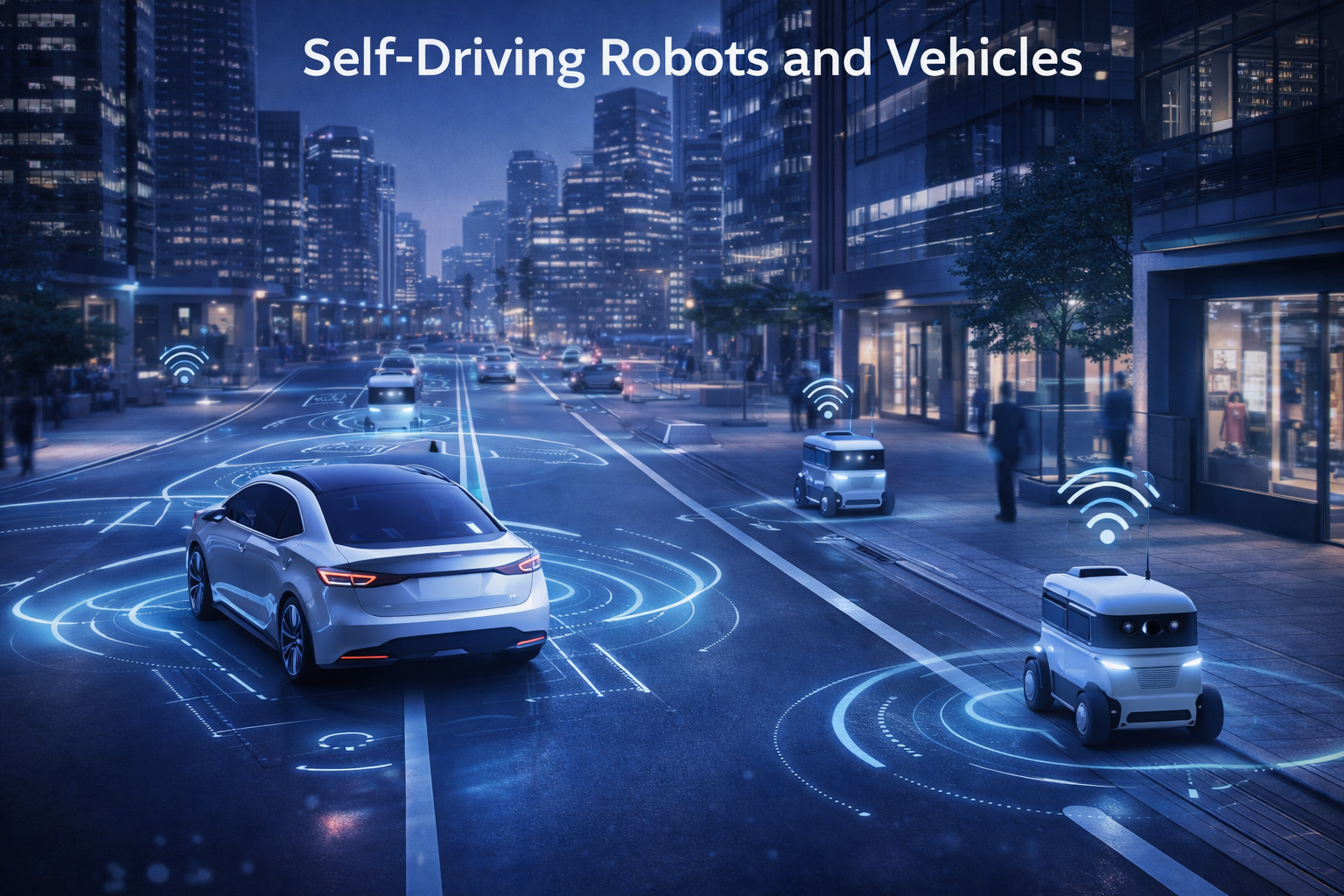
- Delivery and logistics: Robots and autonomous vehicles are being tested and deployed to deliver food, parcels, and essential goods directly to homes.
India is also seeing growing interest in robotics adoption, particularly in manufacturing hubs and agri-tech startups, as the country pushes toward greater industrial automation.
As more businesses recognise the value of intelligent automation, the use of both physical and analytical AI robots will only grow. They are not replacing humans entirely — they are working alongside people to handle tasks that are too fast, too dangerous, or too data-heavy for humans alone. The result is a smarter, more efficient way of working that benefits businesses and consumers alike.