Manufacturing industries across the world are under constant pressure to deliver flawless products at scale. Zero-defect manufacturing is no longer just an ideal — robots equipped with advanced sensors, cameras, and intelligent software are helping factories get closer to that goal every day.
What Is Zero-Defect Manufacturing?
Zero-defect manufacturing is a production philosophy focused on preventing defects before they happen, rather than catching them after the fact. The goal is simple: produce every item correctly the first time, every time.
This approach helps companies:
- Reduce material waste significantly
- Lower the cost of rework and product recalls
- Minimise customer complaints and returns
- Maintain consistent product quality across large production runs
When robots handle critical stages of production, manufacturers gain a reliable, tireless workforce that does not make the kind of mistakes humans do under pressure or fatigue.
Why Robots Are Central to Defect-Free Production
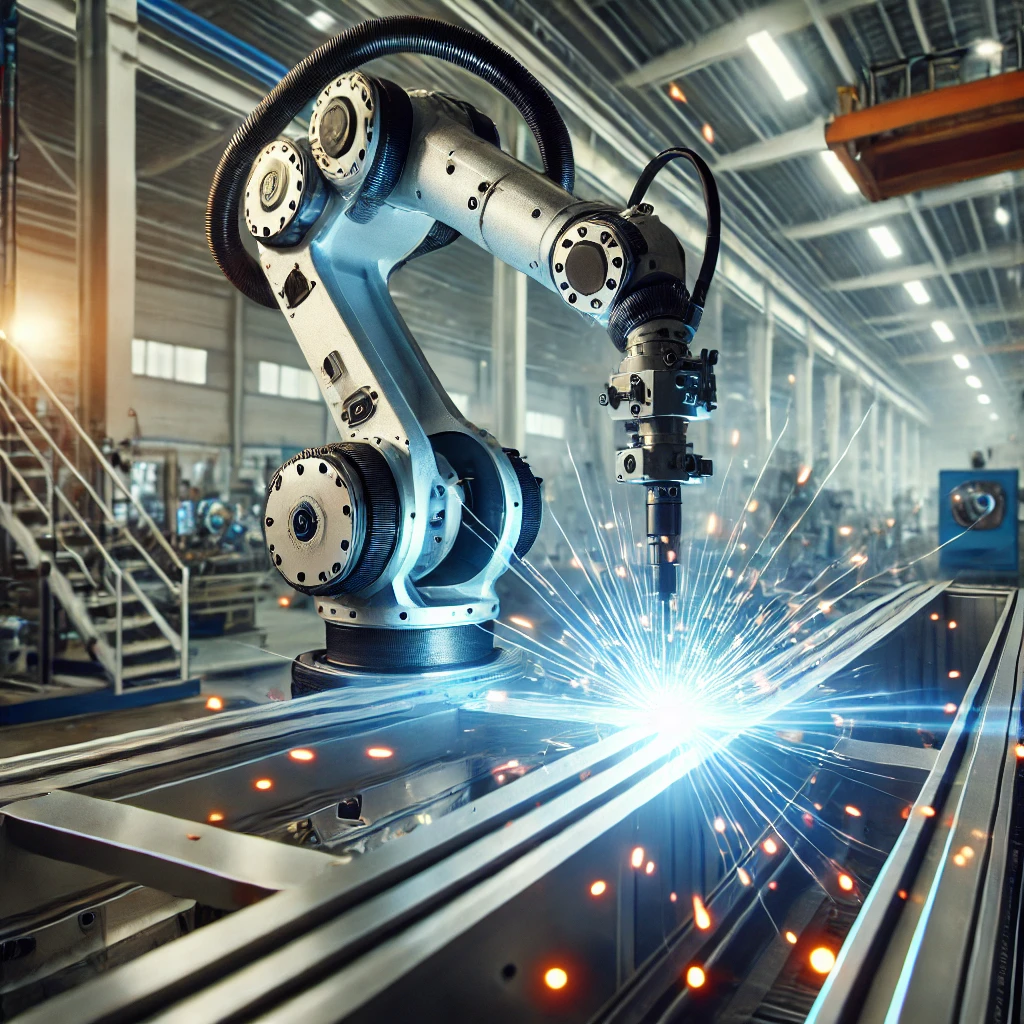
Unlike human workers, robots are built to repeat the same task thousands of times with identical precision. They do not get tired, lose focus, or make errors due to stress. This consistency makes them especially valuable in tasks that demand high accuracy — such as micro-component assembly, welding, and precision cutting.
Robotic systems can also be programmed to follow exact specifications without deviation. Whether it is applying the right amount of adhesive or placing a component within a fraction of a millimetre, robots deliver the same result every single time.
How Robots Detect and Eliminate Defects Early
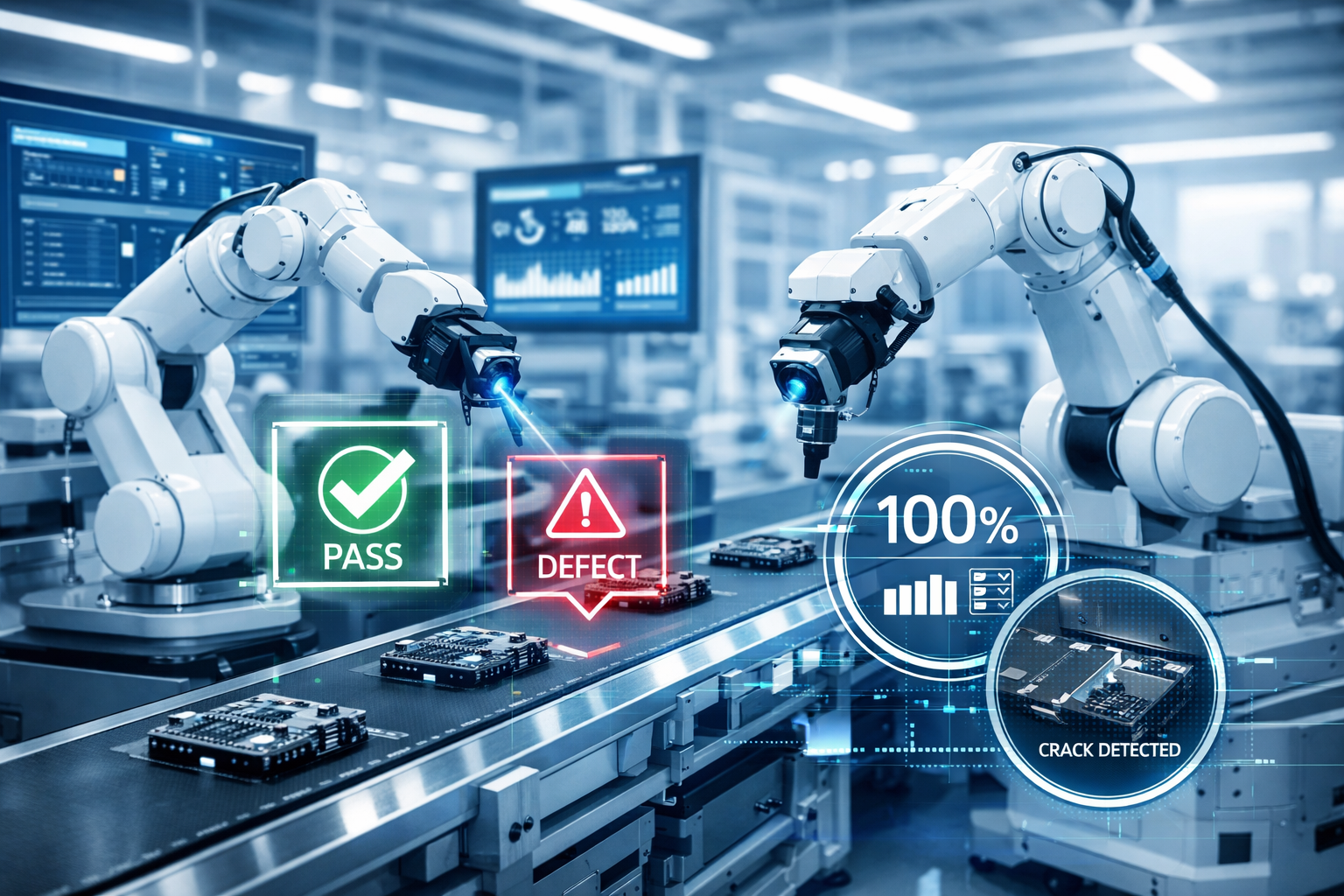
Modern industrial robots use a combination of high-resolution cameras, laser sensors, and AI-powered software to inspect products during production — not just at the end of the line. This real-time inspection capability is one of the biggest advantages robots bring to quality control.
Here is how the detection process typically works:
- Visual inspection systems scan products for surface defects, misalignments, or dimensional errors
- Sensor-based monitoring tracks temperature, pressure, and speed to catch process deviations
- AI algorithms identify patterns that indicate a defect is forming, even before it becomes visible
- Automated rejection removes defective items from the production line instantly without stopping the entire process
This level of early detection prevents a single defect from multiplying into thousands of faulty products.
Using Production Data to Continuously Improve Quality
One of the less-discussed advantages of robotic manufacturing is the volume of useful data these systems generate. Every cycle, robots collect information on production speed, machine temperature, component alignment, and process timing.
Manufacturers can analyse this data to:
- Identify the root cause of recurring defects
- Adjust machine settings before problems escalate
- Track quality trends over time and make informed process improvements
- Build a historical record that supports compliance and audits
This data-driven approach transforms quality control from a reactive process into a proactive one.
Industries That Rely on Zero-Defect Robotics
Several industries cannot afford even a single defective product. In these sectors, robotic quality control is not optional — it is essential.
| Industry | Why Zero Defects Matter |
|---|---|
| Automotive | Faulty parts can cause accidents and costly recalls |
| Electronics | Micro-level defects can render devices non-functional |
| Healthcare and Medical Devices | Defects can directly endanger patient safety |
| Aerospace | Component failures can have catastrophic consequences |
In each of these sectors, robotic inspection systems provide the speed and accuracy that human inspectors simply cannot match at scale.
Key Benefits of Robots in Zero-Defect Manufacturing
Adopting robotic systems for quality control and defect prevention delivers measurable advantages for manufacturers:
- Higher product quality with consistent output across every production batch
- Reduced waste by catching defects early rather than scrapping finished goods
- Lower production costs over time as rework and returns decrease
- Stronger customer trust built on reliable, safe products
- Better regulatory compliance in industries with strict quality standards
- Freed-up human talent to focus on supervision, innovation, and complex problem-solving
As robotics and AI technology continue to advance, the next step will move beyond detection. Future robotic systems are expected to predict defects before they occur — analysing process variables in advance and making automatic corrections to keep production on track.
For manufacturers looking to stay competitive, investing in robotic quality control is becoming less of a choice and more of a necessity.