
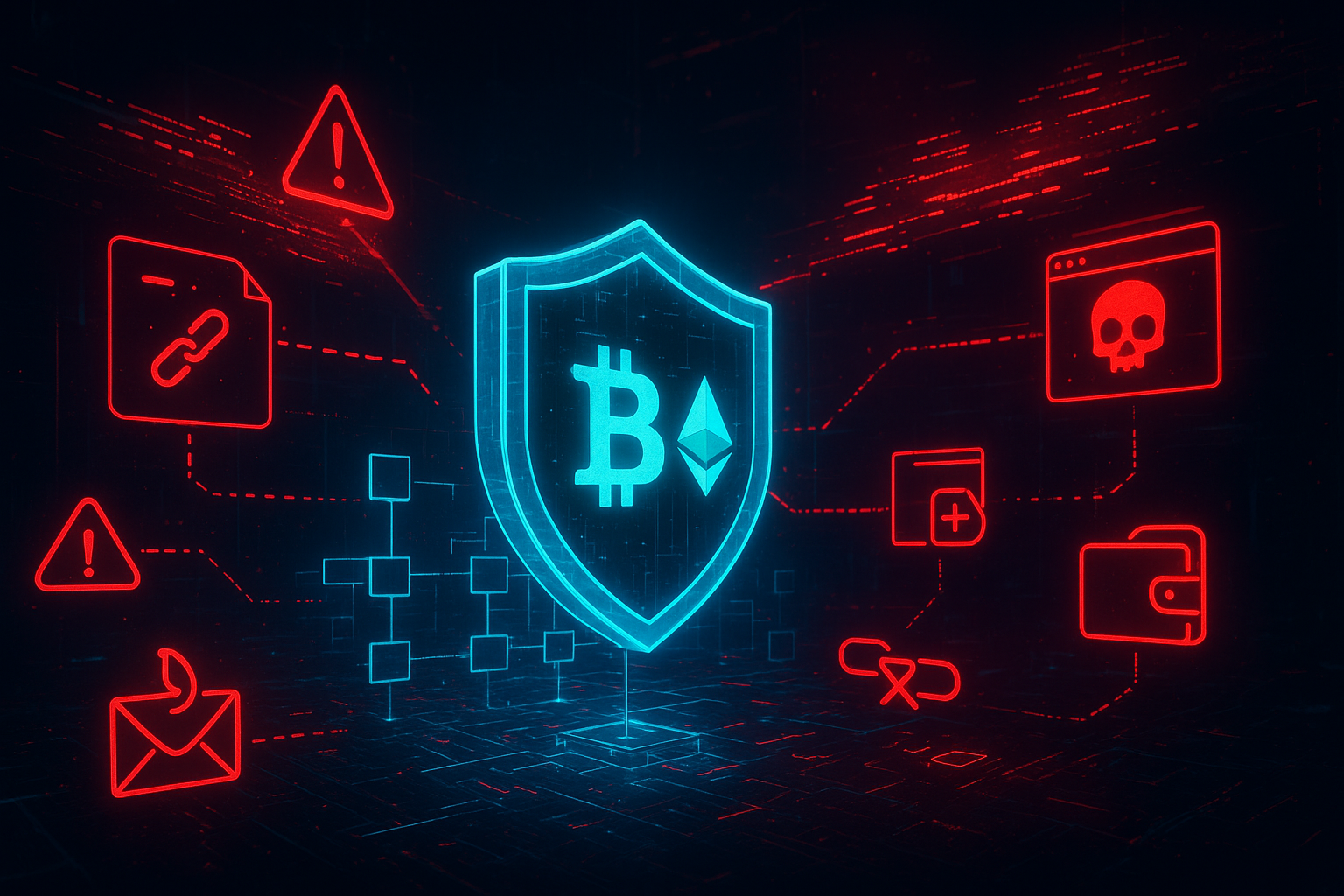
Blockchain technology has grown rapidly, and so have the threats targeting it. While the blockchain itself is built on strong cryptographic foundations, the tools and platforms built around it — wallets, exchanges, DeFi protocols, and smart contracts — carry serious vulnerabilities. Whether you are a crypto investor or a developer, understanding how attacks happen is the first step toward staying safe.
What Are Security Risks in Cryptocurrency?
Crypto security risks are weaknesses that bad actors can exploit to steal funds or disrupt systems. These risks do not always come from the blockchain itself. Most of the time, they come from the software, platforms, and human behaviour surrounding it.
Common sources of crypto security risks include:
- Poorly written smart contract code with logic errors or missing safeguards
- Insecure storage of private keys on internet-connected devices
- Weak or unaudited DeFi protocols that hold large amounts of crypto
- Fake websites and malicious apps designed to steal credentials
- Social engineering tactics that trick users into revealing sensitive information
Even though blockchains are decentralised and tamper-resistant, the ecosystem around them remains a prime target for cybercriminals.
Major Crypto Attack Vectors Hackers Use
Hackers use several well-known methods to target crypto users and platforms. Here is a breakdown of the most dangerous attack vectors:
Smart Contract Vulnerabilities
Smart contracts are self-executing programs that run on the blockchain. A single coding mistake can allow hackers to drain funds. The most common issues include logic errors, missing access controls, and reentrancy attacks — where a hacker repeatedly calls a function before the previous transaction completes, emptying a wallet or pool in the process. DeFi platforms are especially targeted because they hold large volumes of crypto assets.
Phishing and Social Engineering
Phishing attacks trick users into handing over their private keys or seed phrases. Attackers create convincing fake versions of:
- Crypto wallet websites
- Customer support accounts on social media
- Airdrop and giveaway announcements
- Token claim pages
If a user enters their seed phrase on any fake platform, their entire wallet can be drained instantly.
Private Key Theft
Your private key is the master password to your crypto wallet. If someone gets hold of it, they have full control over your funds. Hackers steal private keys through malware, keyloggers, fake browser extensions, and poorly secured devices. Using a hardware wallet significantly reduces this risk by keeping keys offline.
Exchange and Wallet Hacks
Centralised exchanges and hot wallets are high-value targets. Breaches happen due to weak server security, insider threats, misconfigured systems, and poor storage practices. When an exchange is hacked, users often lose their funds permanently with no way to recover them.
Cross-Chain Bridge Attacks
Bridges allow users to move tokens between different blockchains. Their complexity makes them vulnerable. Attackers target the validation process, exploit software bugs, or compromise validator nodes. Some of the largest crypto thefts in history have involved bridge exploits.
Rug Pulls and Scam Tokens
A rug pull happens when project developers raise funds from investors and then disappear with the money. These scams are common in:
- Meme tokens with no real utility
- New and unaudited DeFi projects
- Small-cap altcoins with anonymous teams
Scam tokens often promise unrealistic returns to attract investors before the developers vanish.
51% Attacks
If a single entity controls more than 50 percent of a blockchain’s mining or validation power, they can manipulate the network. This allows them to reverse transactions, double-spend coins, or block new transactions from being confirmed. Large networks like Bitcoin are extremely difficult to attack this way, but smaller blockchains remain at risk.
Sybil Attacks
A Sybil attack involves one person creating many fake identities or nodes to gain influence over a network. These fake accounts can manipulate DAO voting, disrupt peer-to-peer communication, and spread false information. Open and permissionless networks are particularly vulnerable to this type of attack.
Comparing Common Crypto Attack Types
| Attack Type | Primary Target | Risk Level |
|---|---|---|
| Smart Contract Exploit | DeFi Platforms | Very High |
| Phishing | Individual Users | High |
| Private Key Theft | Wallet Holders | Very High |
| Exchange Hack | Centralised Exchanges | High |
| Bridge Attack | Cross-Chain Protocols | Very High |
| Rug Pull | New Token Investors | High |
| 51% Attack | Small Blockchains | Medium |
| Sybil Attack | Open Networks and DAOs | Medium |
How to Protect Yourself From Crypto Attacks
Both users and developers have a role to play in making the crypto space safer.
For Crypto Users:
- Use a hardware wallet to store private keys offline
- Never share your seed phrase with anyone, under any circumstances
- Always double-check website URLs and app names before logging in
- Avoid clicking on links from unknown sources or social media messages
- Research any project thoroughly before investing your money
For Crypto Developers:
- Get smart contracts audited by reputable third-party security firms
- Use well-tested and verified libraries in your codebase
- Follow secure coding practices at every stage of development
- Test all features extensively before deploying to mainnet
- Implement strong multi-signature verification and access controls
Security is not a one-time task. It requires ongoing attention as the threat landscape keeps changing.
As DeFi, NFTs, Web3 applications, and cross-chain systems continue to grow, they attract more sophisticated attacks. Strong security practices build user trust, protect funds, and help the broader crypto ecosystem grow in a responsible way. Every user and developer who takes security seriously contributes to a healthier and more reliable crypto environment.