Wearable technology has come a long way from simple step counters and heart rate monitors. The latest generation of AI-powered wearables is doing something fundamentally different — these devices don’t just collect data, they understand it. From smart rings to AI glasses and intelligent earbuds, a new class of wearable gadgets is quietly reshaping health, productivity, and daily life.
What Makes AI-Powered Wearables Different?
Traditional wearables track numbers. AI-powered wearables interpret them. The difference is significant.
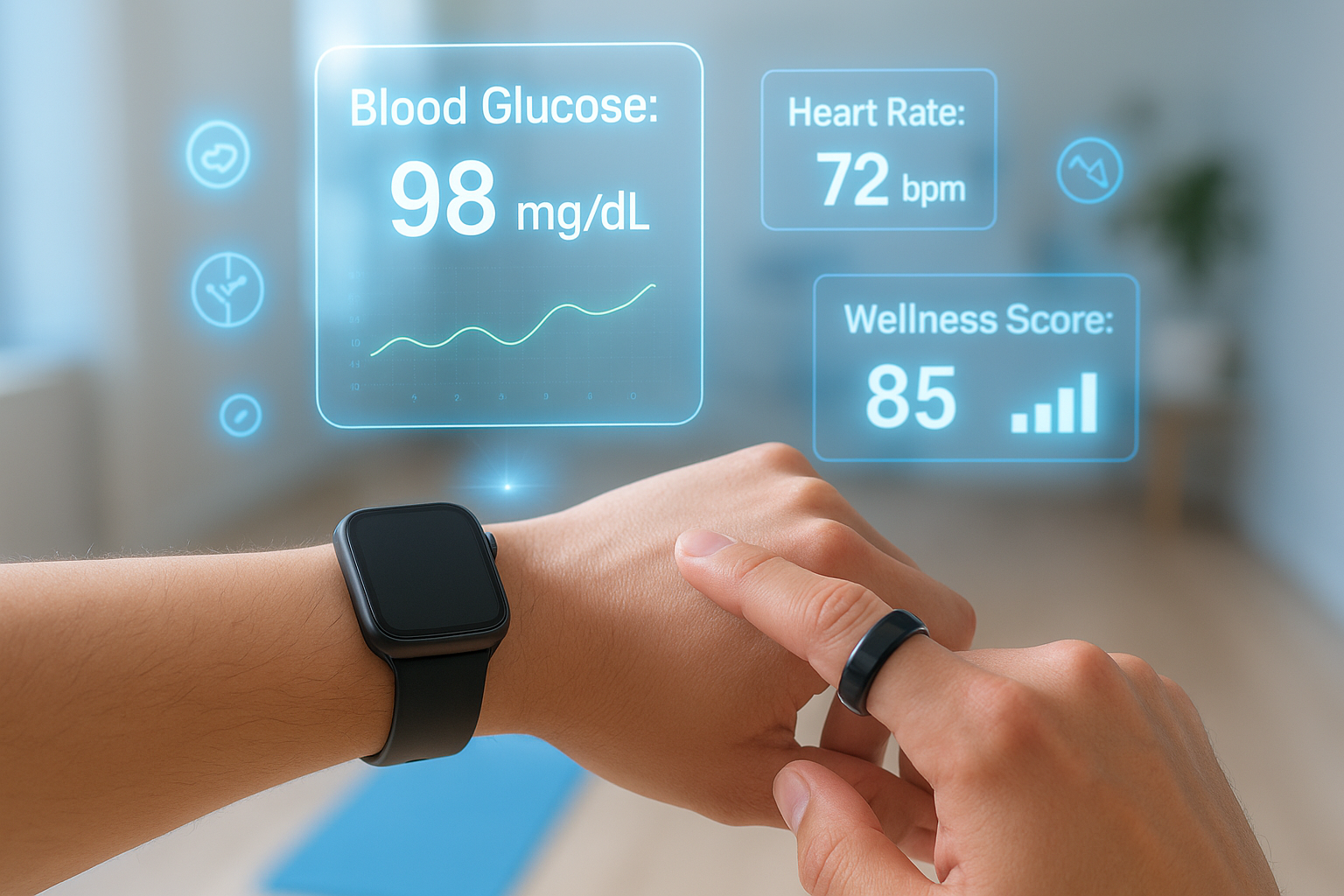
A regular fitness band tells you your heart rate. An AI-powered smartwatch analyses your heart rate trends over time, compares them with your sleep patterns and stress levels, and gives you actionable health insights. Instead of raw data, you get meaningful information.
These devices use machine learning to recognise patterns in your behaviour. Over time, they become more accurate and more relevant to your specific lifestyle. The more you use them, the smarter they get.
Smarter Health and Fitness Tracking
One of the strongest use cases for AI wearables is health monitoring. These devices go well beyond counting steps or measuring calories burned. Here is what modern AI wearables can track and analyse:
- Heart rate variability — to assess stress and recovery levels
- Sleep quality — including deep sleep, REM cycles, and disturbances
- Blood oxygen levels — useful for detecting breathing irregularities
- Physical activity patterns — not just steps, but the type and intensity of movement
- Stress indicators — using skin temperature and electrodermal activity sensors
By combining these data points, AI wearables can offer personalised health recommendations. Some advanced devices are already being explored for early detection of irregular heart rhythms and other health conditions, though users should always consult medical professionals for clinical advice.
Personalised Experience and Intelligent Assistance
AI wearables adapt to individual users over time. They learn your daily routines, preferences, and habits to deliver notifications and suggestions that are actually relevant to you — not generic alerts.
Many of these devices now function as personal assistants on your wrist or in your ear. They can:
- Respond to voice commands without needing a phone
- Send and manage notifications intelligently
- Set reminders based on your schedule and location
- Suggest breaks, hydration, or movement based on your activity data
- Adjust settings automatically based on context — like switching to silent mode during meetings
This level of personalisation makes the device feel less like a gadget and more like a helpful companion throughout the day.
Types of AI-Powered Wearables Available Today
The current market offers a wide variety of AI-enabled wearable devices, each designed for different needs. Here is a quick comparison of the major categories:
| Device Type | Primary Use | Key AI Feature |
|---|---|---|
| Smartwatches | Health, fitness, productivity | Health trend analysis, voice assistant |
| Smart Rings | Sleep and recovery tracking | Continuous biometric monitoring |
| AI Glasses | Augmented reality, navigation | Real-time visual assistance |
| Smart Earbuds | Audio, communication | Noise adaptation, voice commands |
Each category is evolving rapidly, with manufacturers adding more sensors and smarter software with every new product cycle.
How AI Wearables Fit Into Everyday Life
One of the biggest practical benefits of AI wearables is reducing dependence on smartphones. Instead of pulling out your phone for every notification, alert, or query, your wearable handles it directly. This keeps you more focused and less distracted.
For people managing busy schedules, health goals, or fitness routines, these devices act as a constant, low-effort support system. They provide gentle nudges — reminding you to stand up, breathe deeply, drink water, or wind down before sleep — without being intrusive.
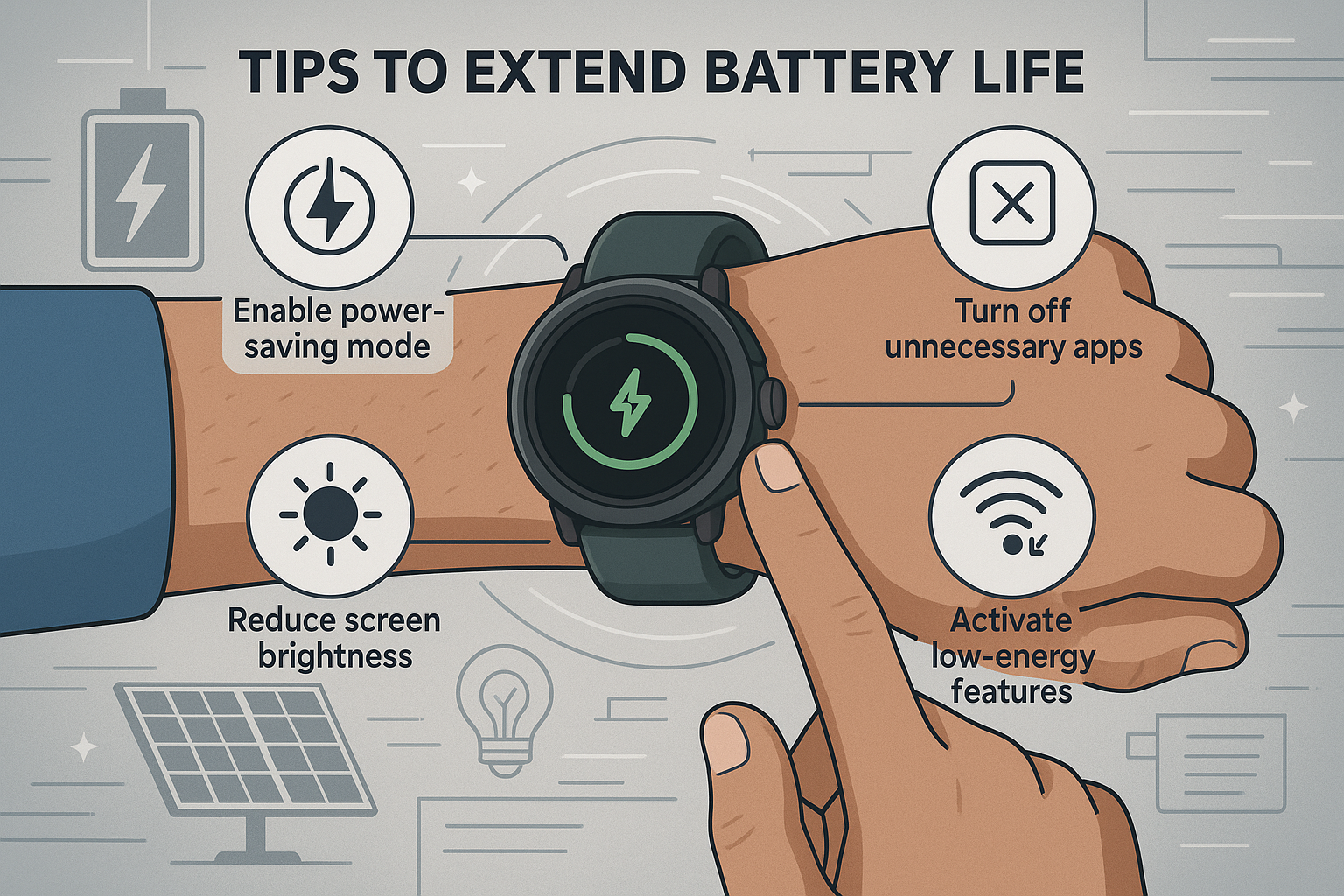
As these devices become smaller and more energy-efficient, they are expected to integrate even more naturally into clothing, accessories, and everyday objects. The next few years are likely to bring wearables that can predict health issues before symptoms appear and offer support for mental wellness alongside physical health.
In conclusion, AI-powered wearables represent a meaningful shift in personal technology. They are no longer passive trackers — they are active, intelligent tools that learn from you and work for you. Whether you are focused on health, productivity, or staying connected, these devices are becoming an increasingly practical part of modern life.