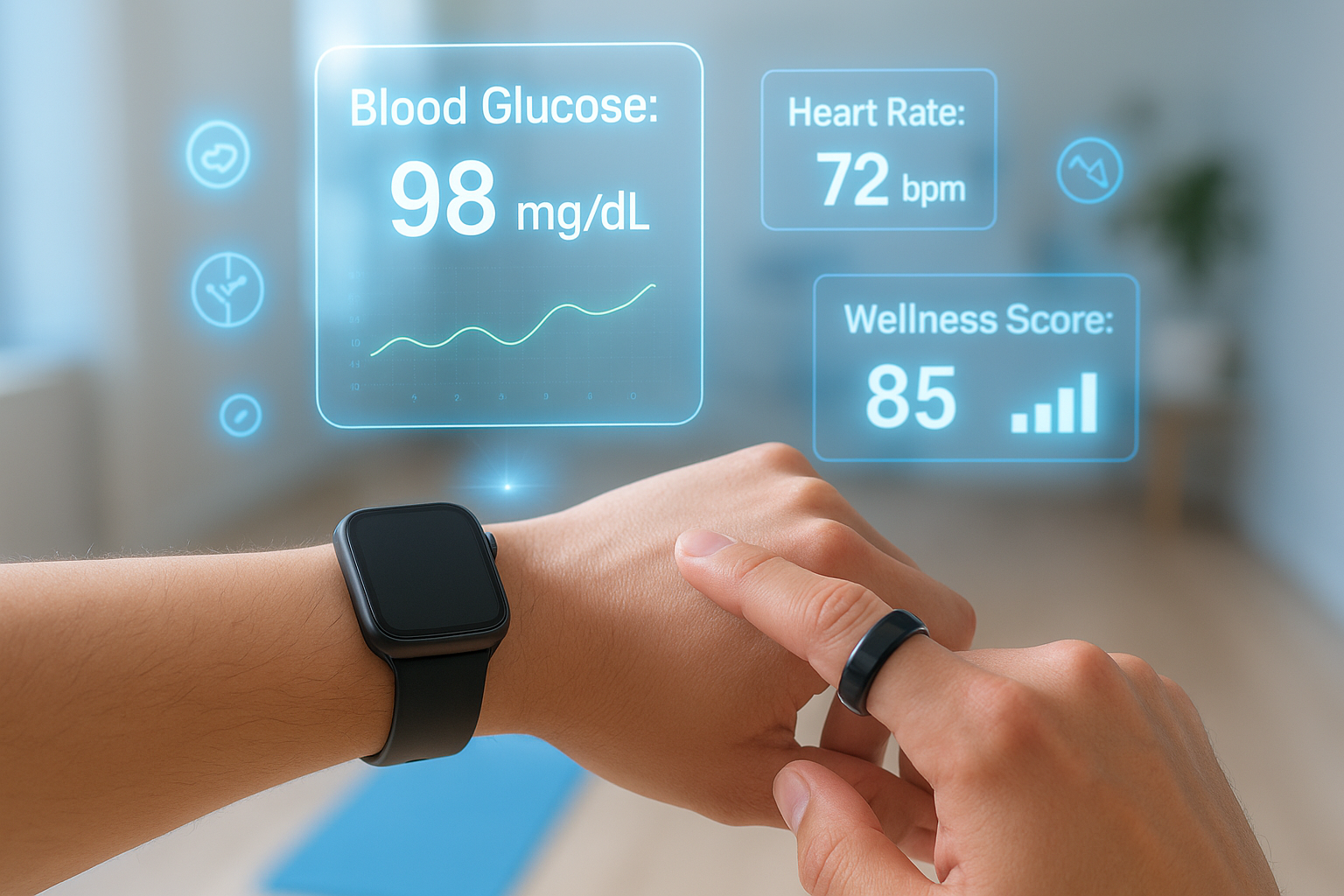

Smartwatches and fitness bands have quietly become part of millions of people’s daily lives. They track your heartbeat, sleep patterns, location, and physical activity around the clock. But as these devices collect more personal data than ever before, a serious question arises — how safe is that information, and who else might have access to it?
What Kind of Data Do Wearables Actually Collect?
Wearable devices are designed to monitor a wide range of personal information. Depending on the device, the data collected can include:
- Health metrics: Heart rate, blood oxygen levels, sleep quality, calories burned, and stress indicators.
- Location data: GPS-enabled fitness trackers log your routes, distances, and movement patterns throughout the day.
- Daily activity: Step counts, active minutes, workout sessions, and sedentary periods are all recorded continuously.
This data does not just stay on your wrist. It syncs to companion apps on your smartphone and is often stored on cloud servers managed by the device manufacturer. That means your personal health information travels across multiple platforms before it reaches you in the form of a neat dashboard.
Why Wearable Data Privacy Is a Serious Concern
Health data is among the most sensitive categories of personal information. Unlike a leaked password, you cannot change your heart rate history or sleep patterns. This makes wearable data particularly attractive to bad actors and third-party businesses alike.
Here is why this matters:
- Identity theft risk: Detailed personal profiles built from health and location data can be exploited by cybercriminals.
- Insurance and advertiser access: Some companies may share your data with insurers or advertisers, often buried in lengthy terms and conditions that most users never read.
- Third-party data sharing: Wearable manufacturers sometimes partner with other businesses, and your data may be passed along without clear disclosure.
The problem is not just hackers. It is also about how companies use your data legally but without full transparency.
Common Security Risks With Wearable Devices
Understanding where vulnerabilities exist helps users make smarter choices. The most common security risks associated with wearables include:
- Weak Bluetooth and Wi-Fi connections: Most wearables connect to smartphones via Bluetooth or Wi-Fi. Without proper encryption, these connections can be intercepted by nearby attackers.
- Cloud storage gaps: Data stored in the cloud is only as secure as the platform hosting it. Breaches in cloud infrastructure can expose large volumes of user data at once.
- Excessive app permissions: Companion apps often request access to contacts, microphones, or location data beyond what is necessary for the device to function. Unused permissions become unnecessary entry points for data leaks.
| Risk Type | How It Happens | Potential Impact |
|---|---|---|
| Weak Bluetooth Connection | Unencrypted data transfer | Data interception by hackers |
| Cloud Storage Breach | Insecure server infrastructure | Mass exposure of health records |
| Excessive App Permissions | Unnecessary data access granted | Data leaks and misuse |
Practical Steps to Protect Your Wearable Data
You do not need to be a tech expert to protect your personal information. These straightforward steps can significantly reduce your risk:
- Use strong, unique passwords for every app connected to your wearable device. Avoid reusing passwords across platforms.
- Enable two-factor authentication (2FA) wherever available. This adds a second layer of security by requiring a verification code in addition to your password.
- Review app permissions regularly. Only allow access to data that the app genuinely needs to function. Revoke permissions that seem unnecessary.
- Keep your device and apps updated. Software updates frequently include security patches that fix known vulnerabilities.
- Read privacy policies before setting up a new wearable. Look specifically for sections on data sharing with third parties and how long your data is retained.
Data Privacy Laws Protecting Wearable Users
Governments in several regions have introduced legislation to give users more control over their personal data. Two of the most significant laws include:
- General Data Protection Regulation (GDPR): Enforced across European Union member states, GDPR gives individuals the right to access their data, request deletion, and restrict how it is processed. Companies that violate these rules face heavy fines.
- California Consumer Privacy Act (CCPA): This US law grants California residents the right to know what personal data is collected about them, opt out of its sale, and request deletion.
These regulations place legal obligations on wearable manufacturers and app developers. However, the burden also falls on users to know their rights and exercise them when necessary. In India, the Digital Personal Data Protection Act (DPDPA) 2023 is also moving toward stronger enforcement, which will eventually affect how wearable companies operating in the country handle user data.
What the Future Holds for Wearable Data Security
As wearable technology advances, devices will collect increasingly detailed biological and behavioural data. This creates both opportunities and risks. Technologies like blockchain are being explored to give users more transparent control over how their data is shared and accessed. Stronger encryption standards and on-device data processing — where data is analysed locally rather than sent to the cloud — are also gaining traction as privacy-first approaches.
Regulatory frameworks are expected to tighten globally, pushing manufacturers to build privacy protections into devices from the ground up rather than treating them as an afterthought.
Being an informed user is the most effective defence. Understanding what your device collects, who can access it, and what steps you can take to limit exposure puts you in control of your own data.