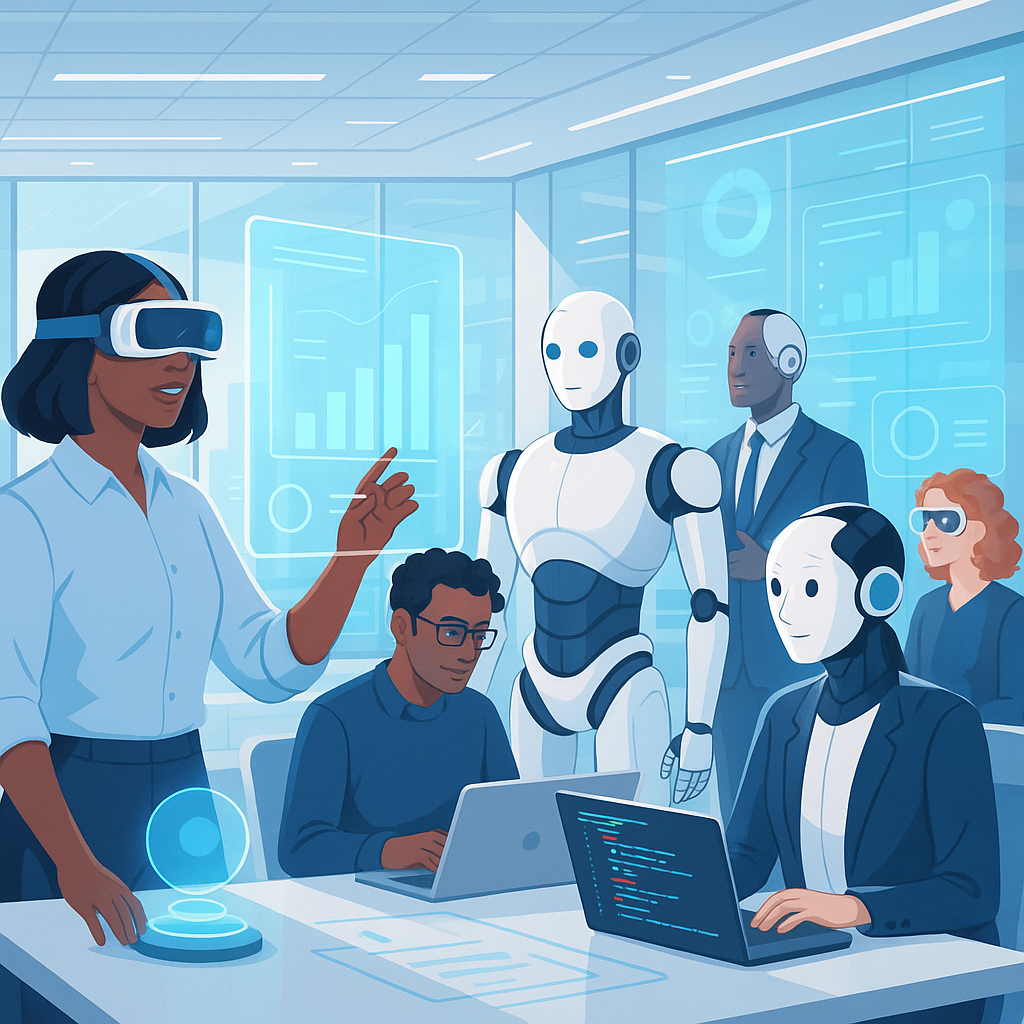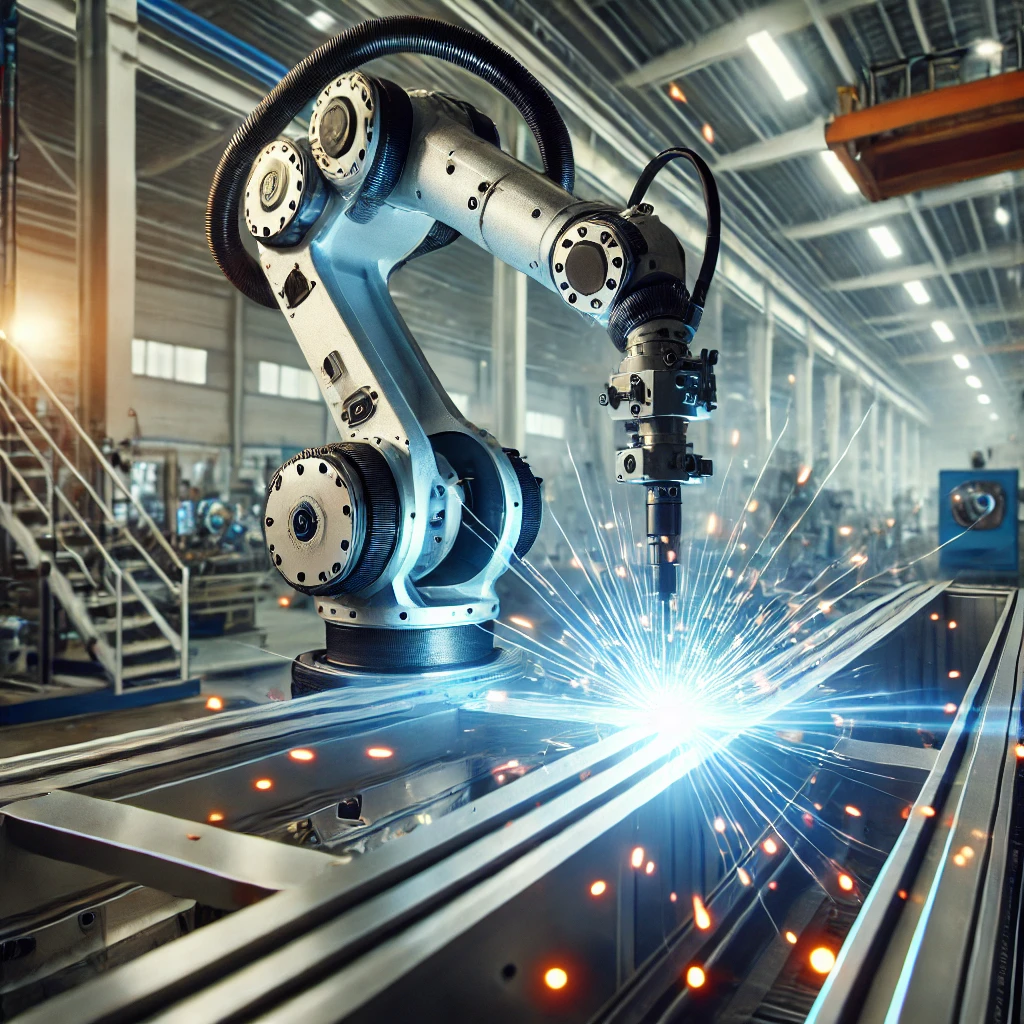

Building robots has always been a complex, expensive, and time-consuming process. But robot simulation is changing that. By testing robots in virtual environments before they ever exist physically, engineers are developing smarter machines faster, at lower cost, and with far less risk. Here is a closer look at how simulation is reshaping the robotics industry.
What is Robot Simulation and How Does It Work?
Robot simulation is a digital testing method where engineers create a virtual model of a robot using software. This virtual robot can be tested for movement, sensor response, AI decision-making, and overall performance — all before a single physical component is built.
Think of it as a practice ground for robots. Engineers can run thousands of test scenarios in a virtual world, identify problems, make instant changes, and repeat the process without touching any hardware. This approach drastically reduces the gap between concept and working prototype.
Key Benefits of Using Simulation in Robotics
Simulation brings several practical advantages to robot development teams and companies investing in automation:
- Faster development cycles: Engineers can test and modify robot designs instantly without rebuilding physical machines each time.
- Lower costs: Most testing happens digitally, cutting spending on hardware, repairs, manufacturing errors, and physical testing setups.
- Safer testing: Robots meant for dangerous environments — factories, construction sites, warehouses — can be tested virtually without putting humans or equipment at risk.
- Better AI training: Virtual environments allow robots to train on thousands of scenarios, helping them learn navigation, object detection, obstacle avoidance, and human interaction far more efficiently.
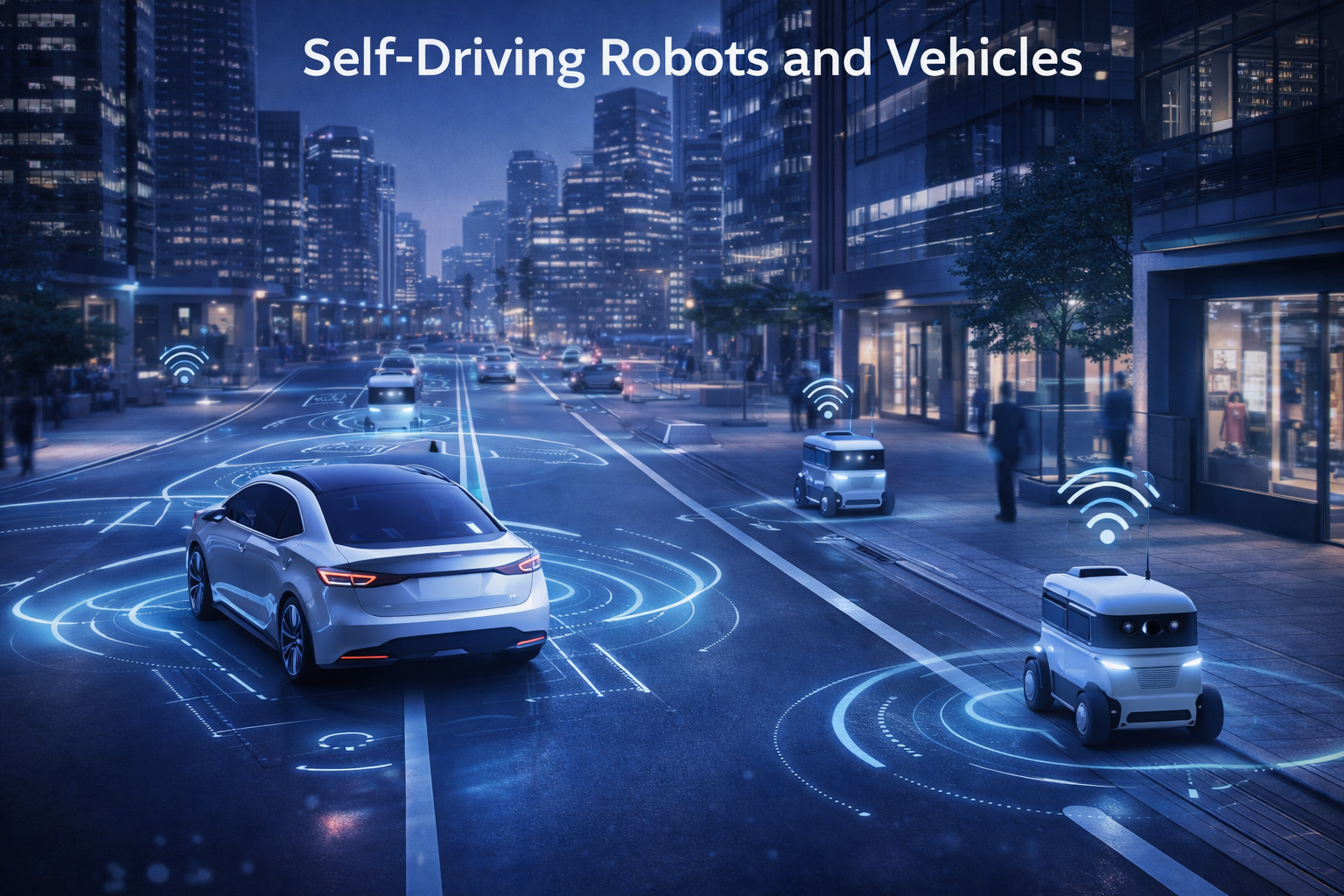
For example, self-driving cars are routinely tested in virtual traffic environments before hitting real roads. This saves years of development time and prevents costly real-world accidents during testing.
Digital Twins: Taking Simulation a Step Further
One of the most powerful concepts linked to robot simulation is the Digital Twin — a virtual copy of a real robot that mirrors its physical counterpart in real time.
Digital twins allow companies to monitor how a robot is performing, predict potential mechanical problems before they occur, and make improvements without stopping operations. This technology is already widely used in smart factories and industrial automation setups.
The benefits of digital twins in robotics include:
- Real-time performance monitoring
- Predictive maintenance to reduce unexpected downtime
- Improved operational efficiency across production lines
| Feature | Robot Simulation | Digital Twin |
|---|---|---|
| Purpose | Pre-build testing and design | Real-time monitoring of existing robots |
| Stage of Use | Before physical robot is built | After robot is deployed |
| Primary Benefit | Reduces development cost and time | Reduces downtime and improves efficiency |
Industries Benefiting from Robot Simulation Today
Robot simulation is no longer limited to research labs. It is actively used across several major industries:
- Manufacturing: Testing assembly line robots for precision and speed before deployment.
- Healthcare: Developing surgical robots and patient-care automation in safe virtual settings.
- Warehousing and Logistics: Training robots to pick, sort, and move goods efficiently in simulated warehouse layouts.
- Autonomous Vehicles: Running millions of virtual driving scenarios to improve self-driving software.
In each of these sectors, simulation improves productivity, enhances worker safety, and accelerates the shift toward full automation.
What the Future of Robot Simulation Looks Like
The next phase of robot simulation is expected to be even more advanced. AI-powered simulation platforms are becoming capable of generating realistic virtual environments automatically. Cloud robotics is enabling teams across the world to collaborate on robot testing without being in the same location.
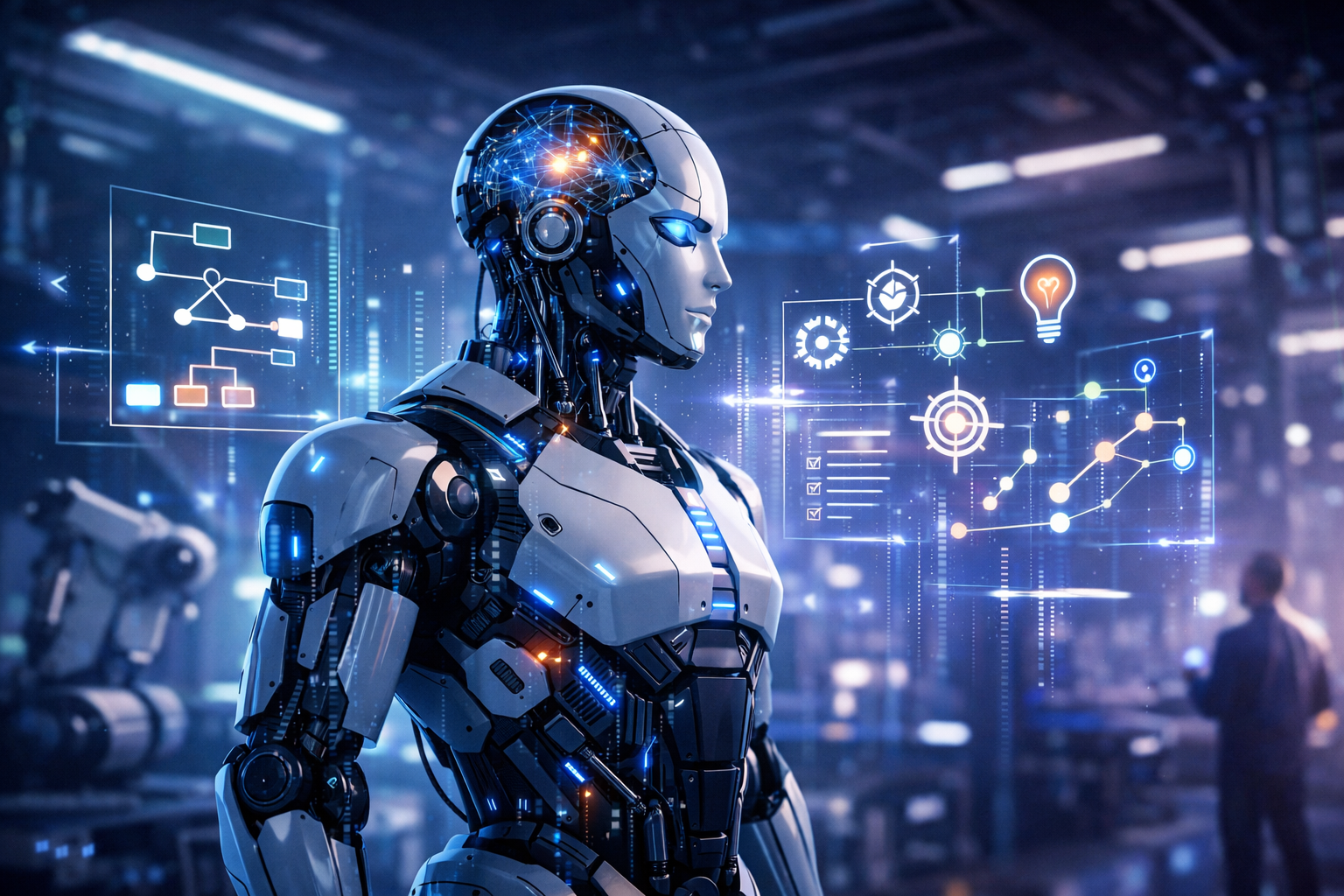
Humanoid robot development — where robots are designed to move and interact like humans — is also increasingly relying on simulation for training and refinement. As robotics technology grows more sophisticated, simulation will only become a more central part of the development process.
Companies that invest in strong simulation infrastructure today are likely to build better, safer, and more capable robots tomorrow.
Robot simulation is not just a shortcut in the development process — it is becoming the foundation of how intelligent machines are built, trained, and improved. From cutting costs to enabling safer AI training, simulation gives engineers the tools to push robotics forward at a pace that physical testing alone could never match. As industries across manufacturing, healthcare, logistics, and autonomous vehicles continue to adopt robotic automation, simulation will remain at the heart of that progress.