Electric Vehicles (EVs) are no longer a distant dream — they are rapidly becoming the new normal in transportation. With rising fuel prices, growing environmental concerns, and strong government support, the shift toward electric mobility is picking up speed across the world, including in India. Here is a comprehensive look at where EV technology stands today and where it is headed.
What Are Electric Vehicles and How Do They Work?
Electric Vehicles are powered by electric motors and rechargeable battery packs instead of traditional petrol or diesel engines. The electricity stored in the battery drives the motor, which moves the vehicle. This simple but effective mechanism eliminates the need for fossil fuels during operation.
EVs come in several forms, including:
- Battery Electric Vehicles (BEVs) — fully electric, no combustion engine
- Plug-in Hybrid Electric Vehicles (PHEVs) — use both electric motor and petrol engine
- Hybrid Electric Vehicles (HEVs) — primarily petrol-powered with electric assistance
Electric cars, electric bikes, electric buses, and electric trucks are all part of this growing ecosystem, designed to reduce emissions and support cleaner cities.
Why Electric Vehicles Are Growing So Fast
Several strong forces are driving EV adoption worldwide. The most visible one is the rising cost of petrol and diesel. Running an electric vehicle costs significantly less per kilometre compared to a fuel-powered vehicle, making it a practical choice for daily commuters.
Environmental awareness is another major driver. Traditional vehicles release carbon dioxide and other harmful gases that worsen air quality and contribute to climate change. EVs produce zero tailpipe emissions, which directly helps reduce urban pollution.
Government policies are also accelerating this shift. Many countries, including India, are offering subsidies, reduced road taxes, and incentives under schemes like FAME (Faster Adoption and Manufacturing of Hybrid and Electric Vehicles) to make EVs more accessible to buyers.
Key Benefits of Choosing an Electric Vehicle
Switching to an electric vehicle offers real, measurable advantages for both individuals and society:
- Lower running costs: Electricity is cheaper than petrol or diesel, reducing monthly fuel expenses.
- Reduced maintenance: EVs have fewer moving parts, which means fewer breakdowns and lower servicing costs.
- Zero tailpipe emissions: Helps improve air quality in cities and reduces the carbon footprint.
- Smoother driving experience: Electric motors deliver instant torque, providing quick and quiet acceleration.
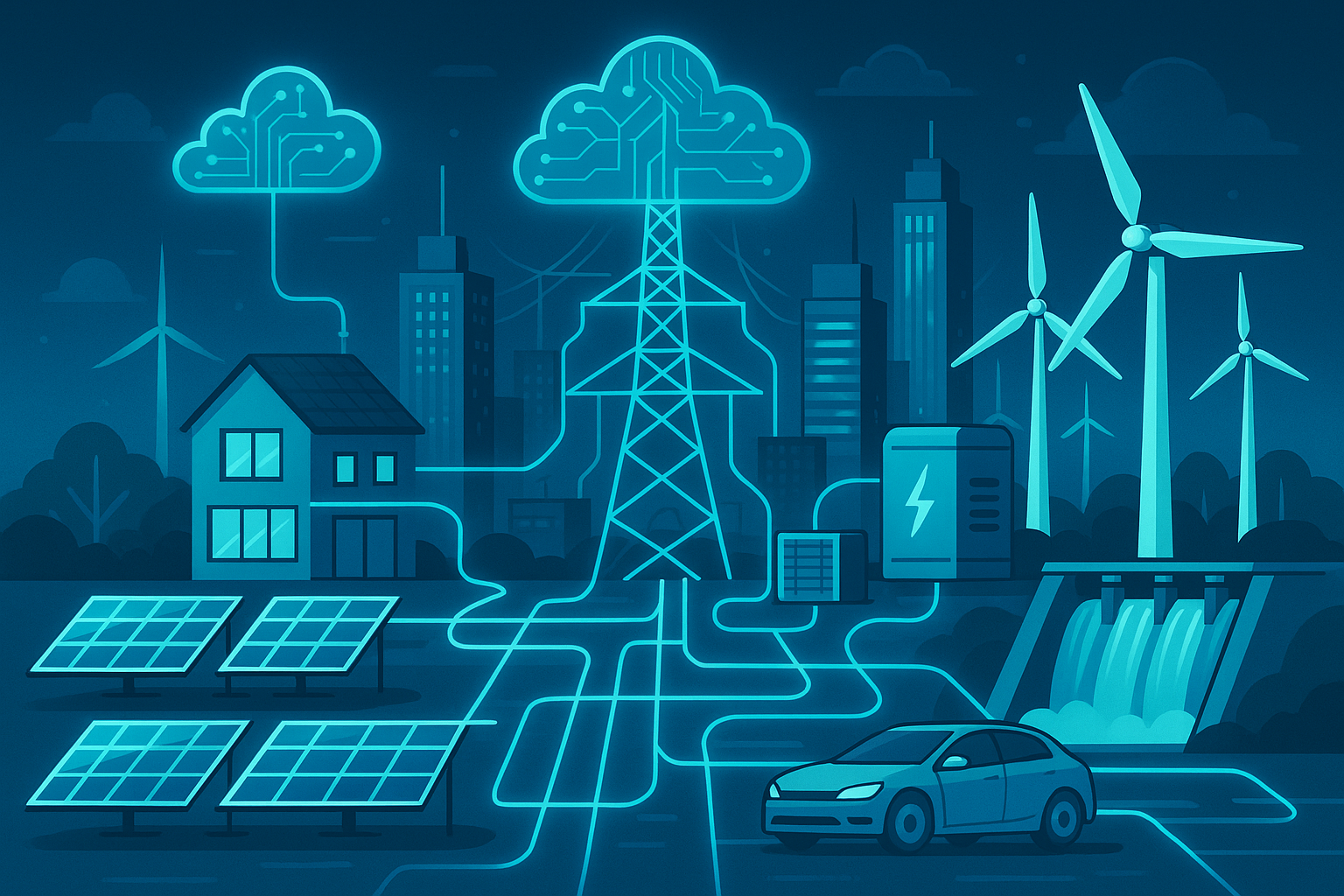
- Energy independence: EVs can be charged using renewable energy sources like solar power.
| Feature | Electric Vehicle | Petrol/Diesel Vehicle |
|---|---|---|
| Fuel Cost | Low (electricity) | High (petrol/diesel) |
| Emissions | Zero tailpipe emissions | High CO2 and pollutants |
| Maintenance | Lower (fewer parts) | Higher (engine servicing) |
| Driving Experience | Smooth and quiet | Noisier with vibration |
Advanced Technologies Shaping the EV Industry
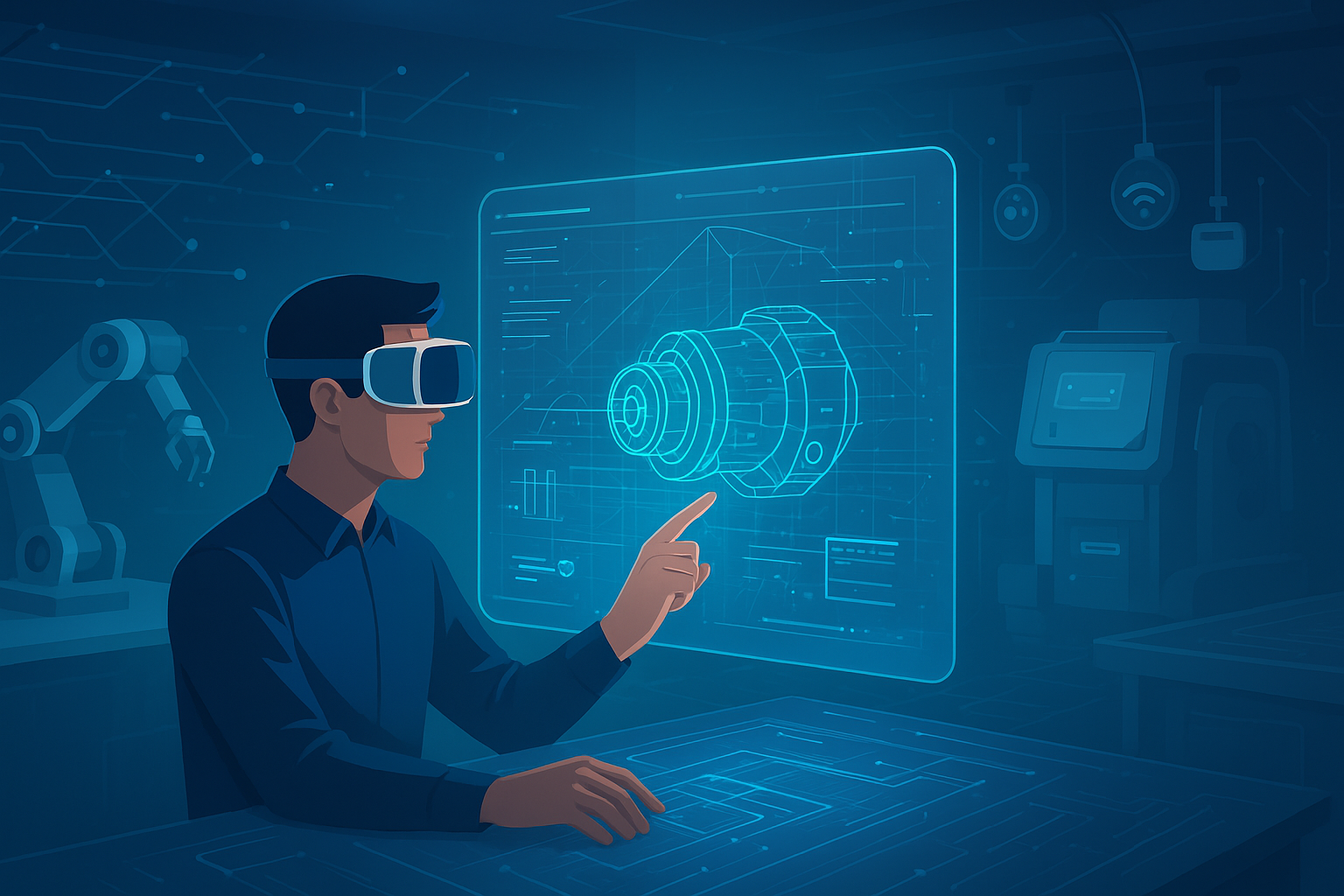
Modern electric vehicles are packed with technology that goes well beyond just replacing a fuel tank with a battery. Smart navigation systems help drivers find the most efficient routes while also locating nearby charging stations.
Battery Management Systems (BMS) monitor battery health in real time, optimising performance and extending battery life. Fast-charging technology is improving rapidly, with some systems now capable of charging a vehicle to 80% in under 30 minutes.
Autonomous driving features, powered by sensors, cameras, and intelligent software, are also being integrated into premium EVs. These systems can detect obstacles, read traffic signals, and assist with parking — making driving safer and less stressful.
Connected vehicle technology allows EVs to communicate with smart city infrastructure, helping manage traffic flow and improve overall transportation efficiency.
Challenges Facing Electric Vehicles Today
Despite the clear advantages, EVs still face some real-world challenges that slow down mass adoption:
- Limited charging infrastructure: Charging stations are still sparse in smaller cities, towns, and rural areas.
- Higher upfront cost: Battery packs remain expensive, making some EVs costlier than comparable petrol vehicles.
- Charging time: Even with fast chargers, recharging takes longer than filling a petrol tank.
- Range anxiety: Some buyers worry about running out of charge before reaching a charging point.
However, companies and governments are actively working on these issues. Battery costs have been falling steadily over the years, charging networks are expanding, and solid-state battery research promises even better range and faster charging in the near future.
What the Future Holds for Electric Mobility
The EV industry is on a strong growth trajectory. Automotive companies worldwide are investing heavily in research and development to build better, more affordable electric vehicles. Battery technology is improving year after year, with newer batteries offering longer range and faster charging cycles.
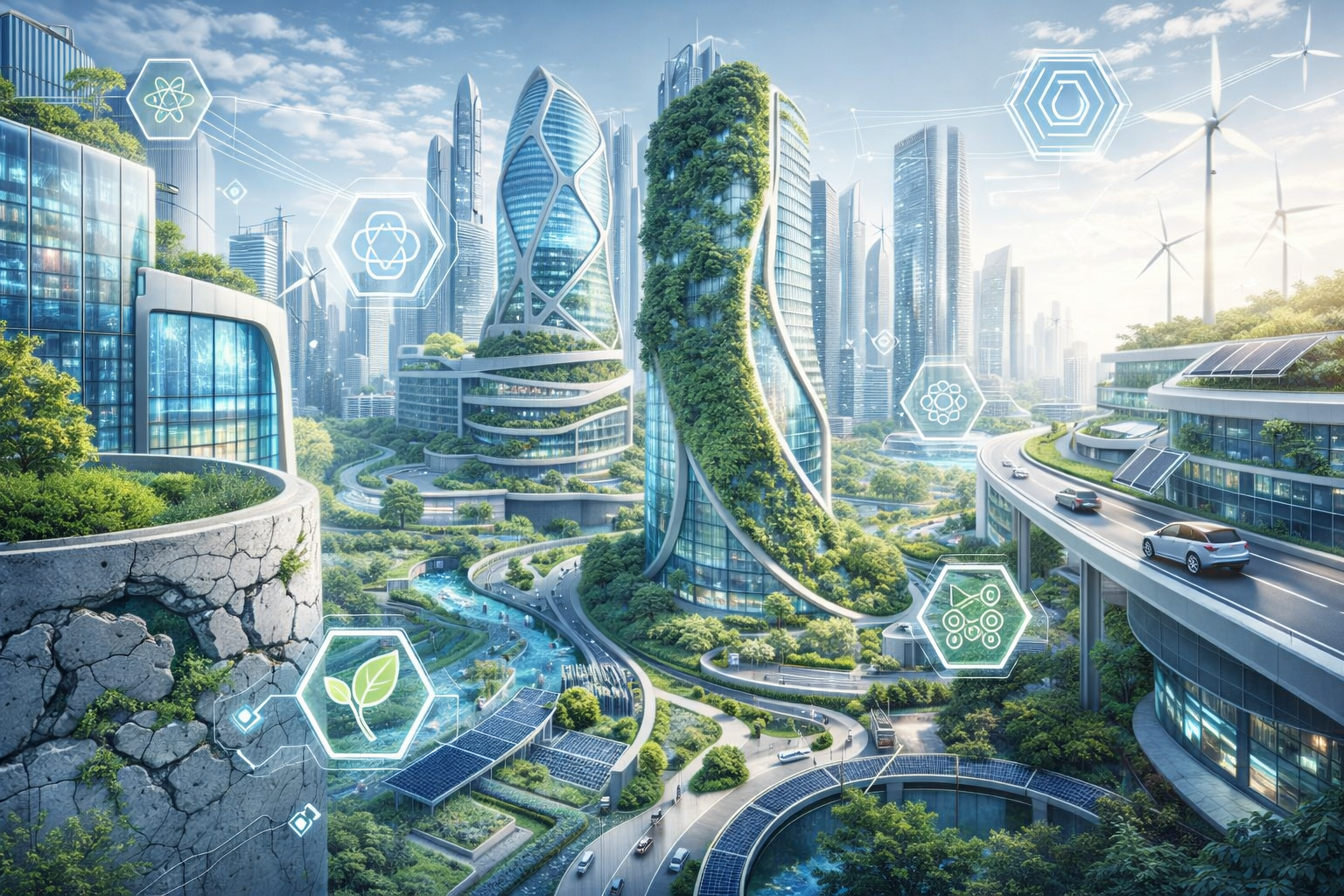
In the future, electric vehicles are expected to play a central role in smart city planning. They will connect with traffic management systems, renewable energy grids, and public transport networks to create a more efficient and sustainable urban environment.
India, in particular, is seeing rapid growth in EV adoption, with companies like Tata Motors, Ola Electric, and global players like Tesla showing strong interest in the Indian market. The government’s push for green mobility under national energy and climate goals is expected to further accelerate this growth.
As battery prices drop and charging infrastructure expands, electric vehicles will become accessible to a much wider section of the population — not just in metros but across smaller cities and towns as well.
The road ahead for electric vehicles is clear: cleaner, smarter, and more connected transportation is coming, and it is arriving faster than many expected. Whether you are a daily commuter, a fleet operator, or a policy maker, the electric vehicle shift is something that will touch everyone in the years ahead.