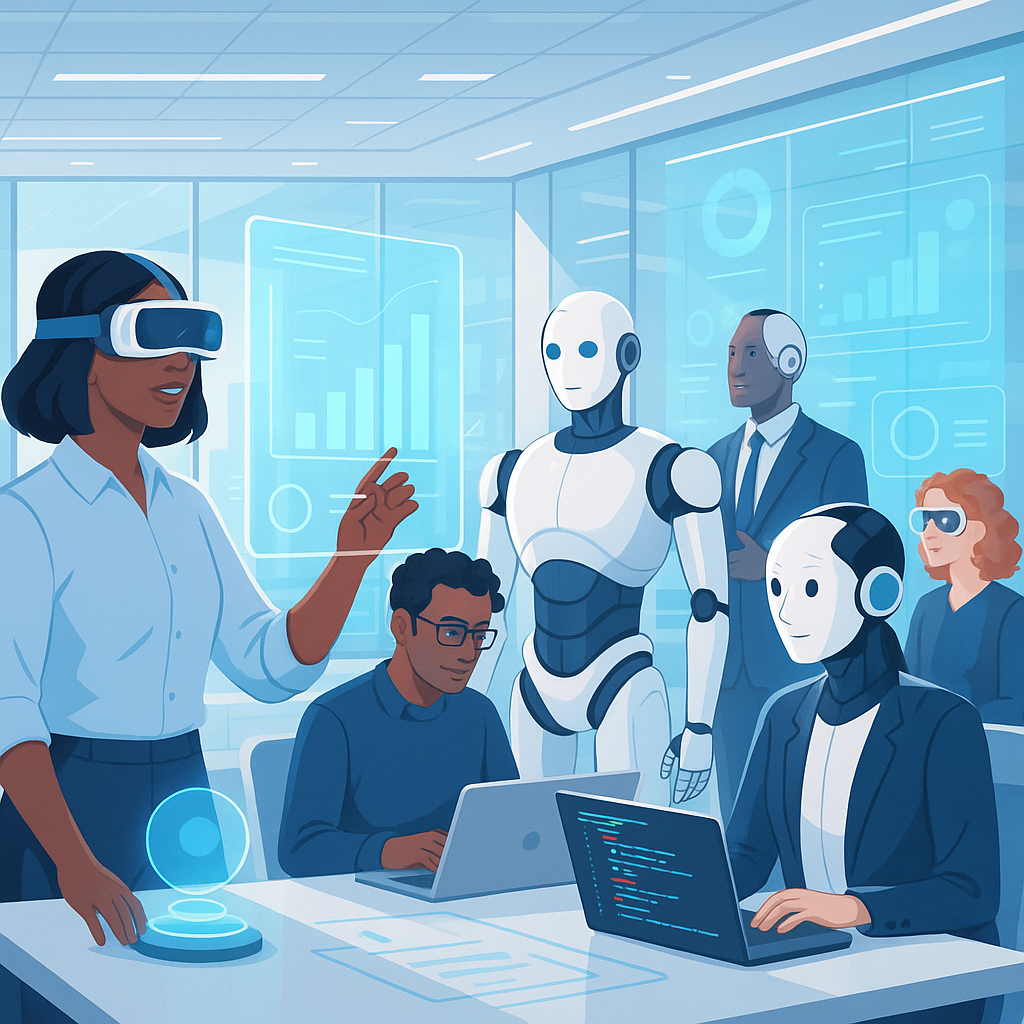

Businesses across the world are under constant pressure to work faster, spend less, and make smarter decisions. Hyperautomation is emerging as one of the most powerful ways to achieve all three goals at once. By combining multiple smart technologies, companies are automating entire workflows — not just individual tasks — and transforming how work gets done.
What Is Hyperautomation?
Hyperautomation is the practice of automating as many business processes as possible by combining several advanced technologies together. It goes far beyond simple task automation. Instead of using a single tool, hyperautomation links multiple systems to handle complex, end-to-end workflows with minimal human involvement.
The core technologies that power hyperautomation include:
- Artificial Intelligence (AI) — helps systems make decisions and understand patterns
- Robotic Process Automation (RPA) — uses software bots to handle repetitive, rule-based tasks
- Machine Learning (ML) — allows systems to learn from data and improve over time
- Low-code and No-code platforms — let non-technical staff build workflows using simple drag-and-drop tools
Together, these technologies carry out tasks that once required human input — faster, more accurately, and around the clock.
Why Businesses Are Investing in Hyperautomation
The business case for hyperautomation is straightforward. Companies need to reduce costs, increase output, and respond quickly to market changes. Hyperautomation helps on all fronts.
Key reasons businesses are adopting hyperautomation:
- Handling high-volume routine work without human effort
- Reducing costly human errors in data-heavy processes
- Speeding up operations across departments
- Freeing employees to focus on strategic, creative, and high-value work
- Making faster, data-driven decisions using AI insights
It is a practical way to improve performance without burning out your workforce or inflating your headcount.
Real-World Applications Across Industries
Hyperautomation is not a distant concept — it is already delivering results across multiple sectors. Here is how different industries are putting it to work:
- Banking and Finance: Automating loan approvals, fraud detection, and compliance reporting
- Healthcare: Managing appointment scheduling, patient records, and billing processes
- Retail and E-commerce: Controlling inventory, personalising customer offers, and managing supply chains
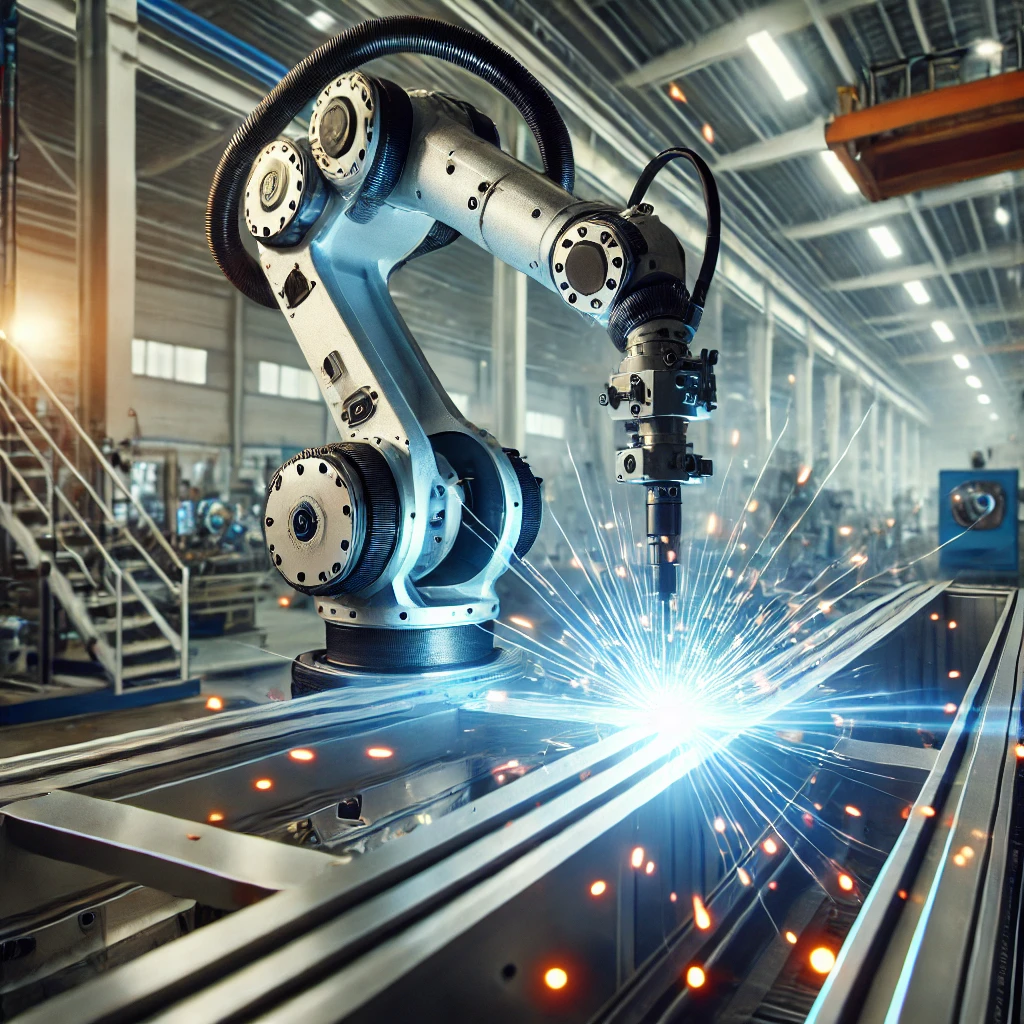
- Manufacturing: Monitoring equipment health, predicting maintenance needs, and managing production lines
Across all these sectors, the common thread is the same — less manual work, fewer delays, and better outcomes.
Benefits vs Challenges: A Clear Comparison
Like any major business investment, hyperautomation comes with both advantages and obstacles. Here is a quick comparison:
| Benefits | Challenges |
|---|---|
| Higher productivity and faster task completion | High initial setup and technology costs |
| Lower operational costs over time | Complexity of integrating with existing systems |
| Fewer human errors in critical processes | Need for staff training on new tools |
| Employees focus on meaningful, strategic work | Data security and privacy concerns |
| Faster, smarter business decisions | Ongoing maintenance and monitoring requirements |
With careful planning and a phased approach, most businesses can manage these challenges effectively and still achieve strong returns on their investment.
What the Future Looks Like for Hyperautomation
Hyperautomation is expected to become standard practice for most modern businesses in the coming years. As the underlying technologies become more affordable and easier to deploy, even small and mid-sized companies will be able to automate large portions of their operations.
Businesses that start building their hyperautomation strategy now will be better positioned to outperform competitors, adapt to disruptions, and scale efficiently. The companies that wait risk falling behind as their rivals move faster and operate leaner.
In conclusion, hyperautomation is not just a technology trend — it is a fundamental shift in how enterprises operate. By combining RPA, AI, machine learning, and low-code tools, businesses can build smarter, faster, and more resilient operations. The path forward is clear: automate intelligently, invest in the right tools, and empower your people to do the work that truly matters.