Cities around the world are witnessing a quiet but significant shift in how people and goods move. Autonomous robots — from self-driving cars to delivery bots and driverless buses — are becoming a real part of urban infrastructure. This change is not just about technology. It is about making cities safer, cleaner, and more accessible for everyone.
What Are Autonomous Robots and How Do They Work?
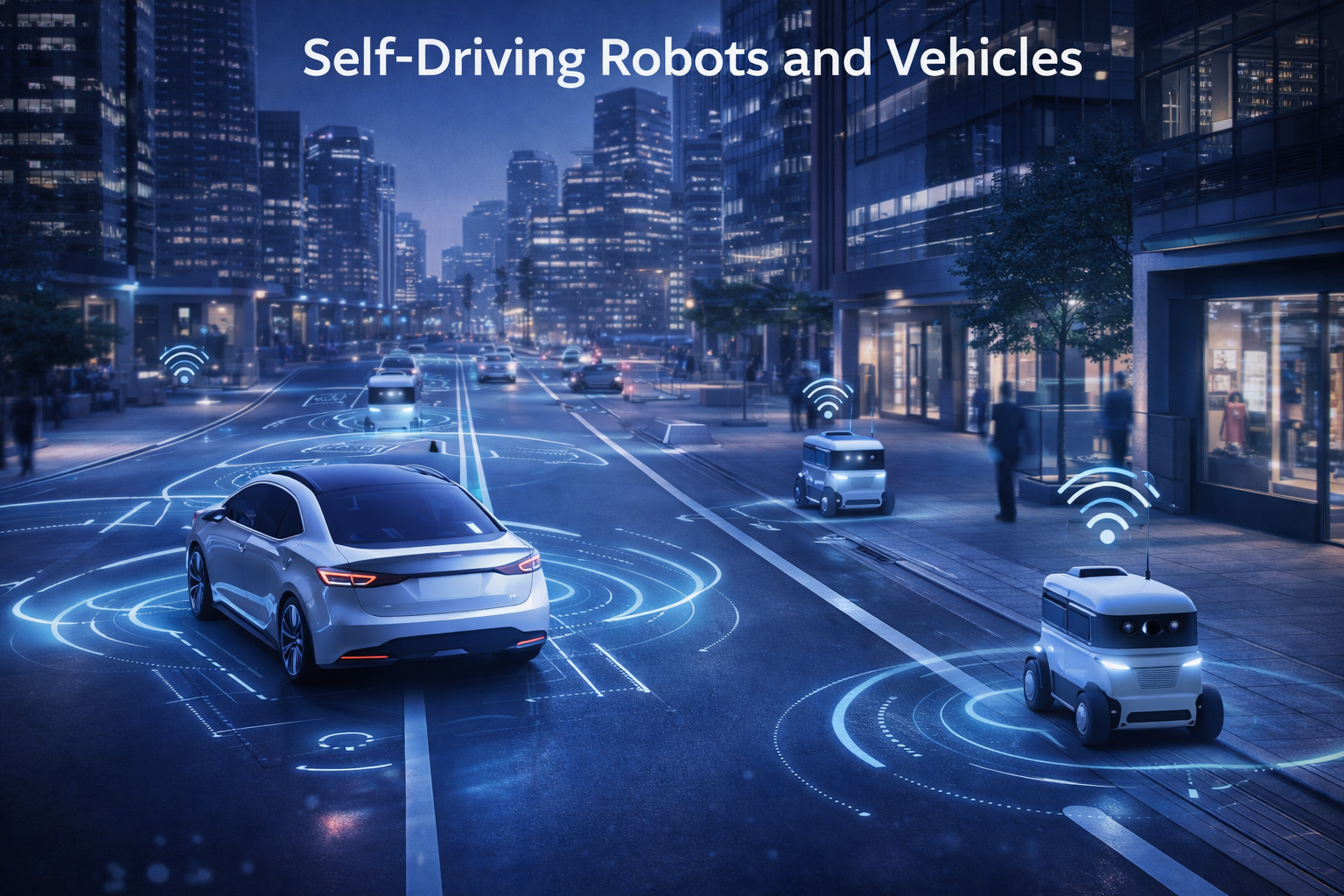
Autonomous robots are machines that operate without direct human control. They rely on a combination of artificial intelligence, machine learning, sensors, cameras, and GPS to understand their surroundings and make real-time decisions.
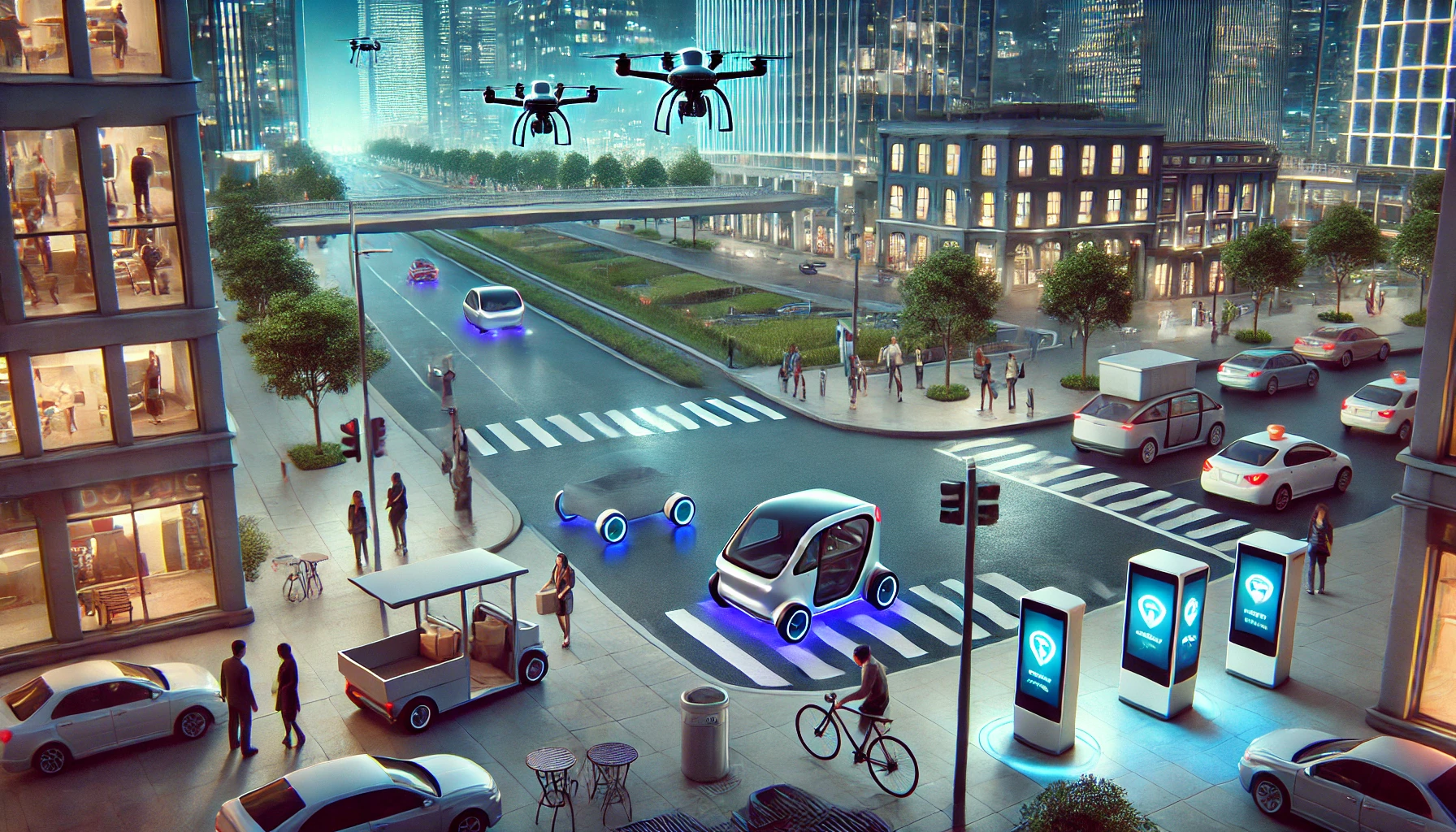
In urban settings, these robots take many forms:
- Self-driving cars that navigate roads, follow traffic signals, and avoid obstacles independently
- Delivery robots that move along pavements to bring food, groceries, and packages to doorsteps
- Autonomous buses and shuttles that follow fixed routes without a human driver
- Delivery drones that fly above street-level congestion to reach destinations faster
As these technologies mature, they are becoming central to how modern cities function.
Delivery Robots: Changing the Last-Mile Experience
One of the most visible applications of autonomous robots in cities is package and food delivery. Instead of relying on human couriers stuck in traffic, delivery robots move along footpaths and smaller streets to reach customers directly.
Key benefits of autonomous delivery robots include:
- Reduced road congestion: By operating on pavements and side streets, delivery robots take pressure off main roads and reduce vehicle traffic.
- Lower carbon emissions: Most delivery robots are electrically powered, which means fewer fuel-burning vehicles on the road.
- Cost savings: Without the need for a human driver, companies can reduce operational costs — savings that can be passed on to customers through lower delivery fees.
Self-Driving Cars and Autonomous Public Transport
Self-driving cars represent one of the most ambitious developments in urban mobility. These vehicles can read traffic signals, detect pedestrians, and communicate with other autonomous vehicles to manage traffic flow more efficiently.
Here is why driverless cars matter for cities:
- Improved road safety: Human error — including distracted driving and speeding — accounts for a large share of road accidents. Autonomous vehicles can significantly reduce these incidents.
- Smoother traffic flow: When self-driving cars communicate with each other, they can coordinate speed and spacing to prevent bottlenecks and reduce commute times.
- Greater accessibility: People who cannot drive — including elderly citizens and those with physical disabilities — gain an independent way to travel.
Autonomous buses and shuttles are also gaining ground. These vehicles are well-suited for fixed routes in areas like airports, business parks, and city centres. They can operate around the clock, offer consistent service, and reduce public transit costs by eliminating the need for a driver.
| Type of Autonomous Vehicle | Primary Use | Key Benefit |
|---|---|---|
| Self-Driving Car | Personal and ride-hailing transport | Reduced accidents, better traffic flow |
| Delivery Robot | Last-mile package and food delivery | Lower emissions, cost efficiency |
| Autonomous Bus/Shuttle | Fixed-route public transit | 24/7 service, reduced transit costs |
| Delivery Drone | Aerial package delivery | Bypasses road congestion |
Autonomous Robots and the Smart City Vision
Smart cities use technology to improve the quality of urban life, and autonomous robots are a core part of that vision. These machines help city planners and administrators manage traffic, reduce pollution, and deliver services more efficiently.
In a fully connected smart city, residents might encounter:
- Robotic taxis: Driverless ride-hailing vehicles that pick up and drop off passengers without human drivers.
- Drone deliveries: Flying robots that bypass road-level congestion to deliver items faster and more reliably.
- Waste collection robots: Automated machines that collect garbage on scheduled routes, improving sanitation and reducing the need for manual labour in hazardous conditions.
These systems work best when integrated with city-wide data networks, smart traffic signals, and real-time monitoring infrastructure.
Challenges That Still Need to Be Addressed
Despite the promise, autonomous robots face real obstacles before they can become a standard part of city life.
- Regulation and legal frameworks: Governments need to establish clear rules about where and how autonomous robots can operate on public roads and pavements. Without proper regulation, safety risks increase.
- Job displacement: As robots take over driving and delivery tasks, workers in these sectors face the risk of unemployment. Governments and companies need to invest in retraining programmes and support systems.
- Cybersecurity vulnerabilities: Autonomous systems connected to networks can be targeted by hackers. Ensuring these machines are secure and resilient is critical to public trust and safety.
- Technical limitations: Robots still struggle in unpredictable environments — heavy rain, crowded markets, or poorly marked roads can confuse even the most advanced systems.
Addressing these challenges requires collaboration between technology developers, city planners, policymakers, and the public.
What the Future Holds for Autonomous Urban Mobility
The trajectory is clear — autonomous robots will play an increasingly important role in how cities operate. As sensor technology improves, AI systems become more reliable, and regulatory frameworks catch up, the adoption of these machines will accelerate.
In the coming years, cities may see entire fleets of driverless public transport, robot-managed logistics networks, and new categories of autonomous machines that have not yet been imagined. The long-term impact could include cleaner air, fewer road fatalities, and more equitable access to mobility for all residents.
The shift will not happen overnight, and it will not be without friction. But the direction is set — autonomous robots are becoming a permanent part of the urban landscape, and cities that prepare early will be better positioned to benefit.