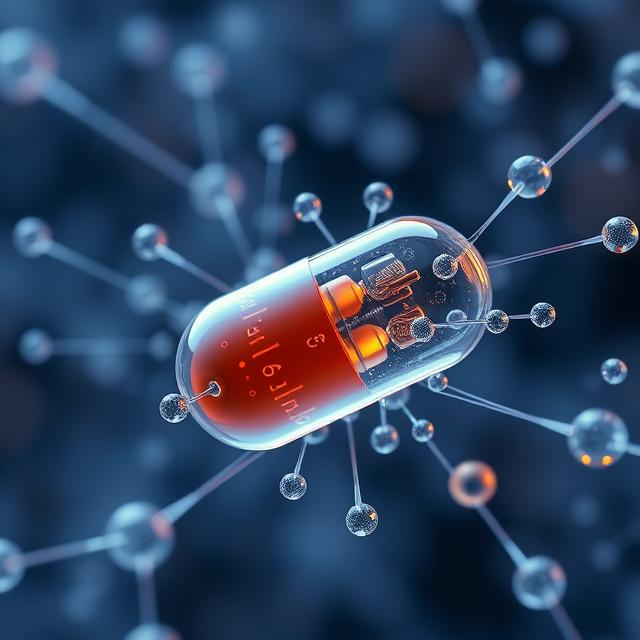
Nanobots — microscopic robots measured in nanometers, or one billionth of a meter — are no longer just science fiction. Scientists and medical researchers are actively exploring how these tiny machines can move through the human body to detect diseases, deliver treatments, and repair damaged cells. While still in early development, the medical potential of nanobots is enormous and could reshape how doctors treat some of the world’s most difficult conditions.
What Are Nanobots and How Do They Work Inside the Human Body?
Nanobots are miniature devices built using nanotechnology, engineered at such a small scale that they can interact with the body at the molecular level. Unlike traditional medical tools, these robots can navigate through blood vessels, tissues, and organs to reach specific targets with precision.
Here is what nanobots are designed to do inside the body:
- Detect diseases early by identifying abnormal changes in cells or chemical signals.
- Deliver medicine directly to affected areas, keeping surrounding healthy tissue safe.
- Monitor vital functions such as blood pressure, glucose levels, and other key health markers in real time.
This level of precision is what makes nanobots so different from conventional treatments, which often affect the entire body rather than just the problem area.
Key Medical Applications of Nanobots
Researchers have identified several high-impact areas where nanobots could make a significant difference in patient care.
- Cancer treatment: Nanobots can carry cancer-fighting drugs directly to tumour cells, leaving healthy cells untouched. This targeted approach could reduce common side effects of chemotherapy such as nausea, fatigue, and hair loss, while making treatment more effective.
- Blood clot removal: These microscopic robots can travel through blood vessels to locate and break down dangerous clots, potentially preventing heart attacks and strokes before they cause serious damage.
- Early disease detection: By sensing tiny changes in the body’s chemistry, nanobots can identify early signs of conditions like cancer, diabetes, or infections — giving doctors a head start on treatment.
- Gene therapy: Nanobots could deliver corrective genes directly into cells, offering a possible cure for inherited conditions such as cystic fibrosis or sickle cell anaemia by fixing or replacing faulty genetic material.
- Wound healing: When injuries occur, nanobots can fight infection at the site and stimulate new cell growth, speeding up recovery for both external wounds and internal injuries.
Comparing Traditional Treatment vs Nanobot-Based Treatment
| Aspect | Traditional Treatment | Nanobot-Based Treatment |
|---|---|---|
| Drug Delivery | Affects entire body | Targets specific cells or tissues |
| Side Effects | Often significant | Potentially minimal |
| Disease Detection | Symptoms or lab tests | Molecular-level early detection |
| Surgery | Invasive with recovery time | Potentially non-invasive |
| Gene Therapy | Limited delivery methods | Direct cellular delivery possible |
The Future Possibilities of Nanobots in Healthcare
Though nanobot technology is still in its early research and development phase, scientists envision a wide range of future applications that could change medicine as we know it.
- Non-invasive surgeries: Nanobots could one day perform internal procedures without any cuts or stitches, reducing surgical risks and shortening recovery times significantly.
- Regenerative medicine: These robots may be able to repair damaged tissues or assist in growing replacement organs, opening new doors in transplant medicine.
- Brain health: Conditions like Alzheimer’s disease and Parkinson’s disease could be treated by sending nanobots directly into the brain to deliver medication or clear harmful protein build-ups.
Each of these possibilities depends on continued advances in materials science, bioengineering, and medical research. Regulatory approval and safety testing will also play a major role in how quickly these applications reach patients.
Why Nanobot Research Matters for the Future of Medicine
The ability to target specific parts of the body with pinpoint accuracy is one of the biggest challenges in modern medicine. Nanobots offer a potential solution to this problem. By working at the cellular and molecular level, they could make treatments far more effective while reducing the physical toll on patients.
Conditions that are currently difficult or impossible to treat — including certain genetic disorders, aggressive cancers, and degenerative brain diseases — could become manageable or even curable with nanobot-based therapies. For patients in India and around the world, this research represents real hope for better health outcomes in the years ahead.
In conclusion, nanobots in medicine represent one of the most exciting frontiers in modern science. While widespread clinical use is still some years away, the groundwork being laid today in laboratories around the world could lead to treatments that are safer, smarter, and far more effective than anything currently available. Staying informed about these developments is important for patients, healthcare professionals, and policymakers alike.
Frequently Asked Questions
Nanobots, or nanorobots, are microscopic machines built using nanotechnology. In medicine, they are designed to travel through the human body to detect diseases, deliver drugs directly to affected cells, monitor vital signs, and even assist in repairing damaged tissue at the molecular level.
Yes, one of the most promising applications of nanobots is targeted cancer treatment. These tiny robots can carry cancer-fighting drugs directly to tumour cells without harming surrounding healthy tissue, potentially making treatment more effective and reducing side effects like nausea and hair loss associated with traditional chemotherapy.
Nanobot technology in medicine is still in the research and early development stage. While significant progress has been made in laboratories, widespread clinical use for patients is not yet available. Ongoing research, safety testing, and regulatory approvals are needed before nanobots become a standard part of medical treatment.