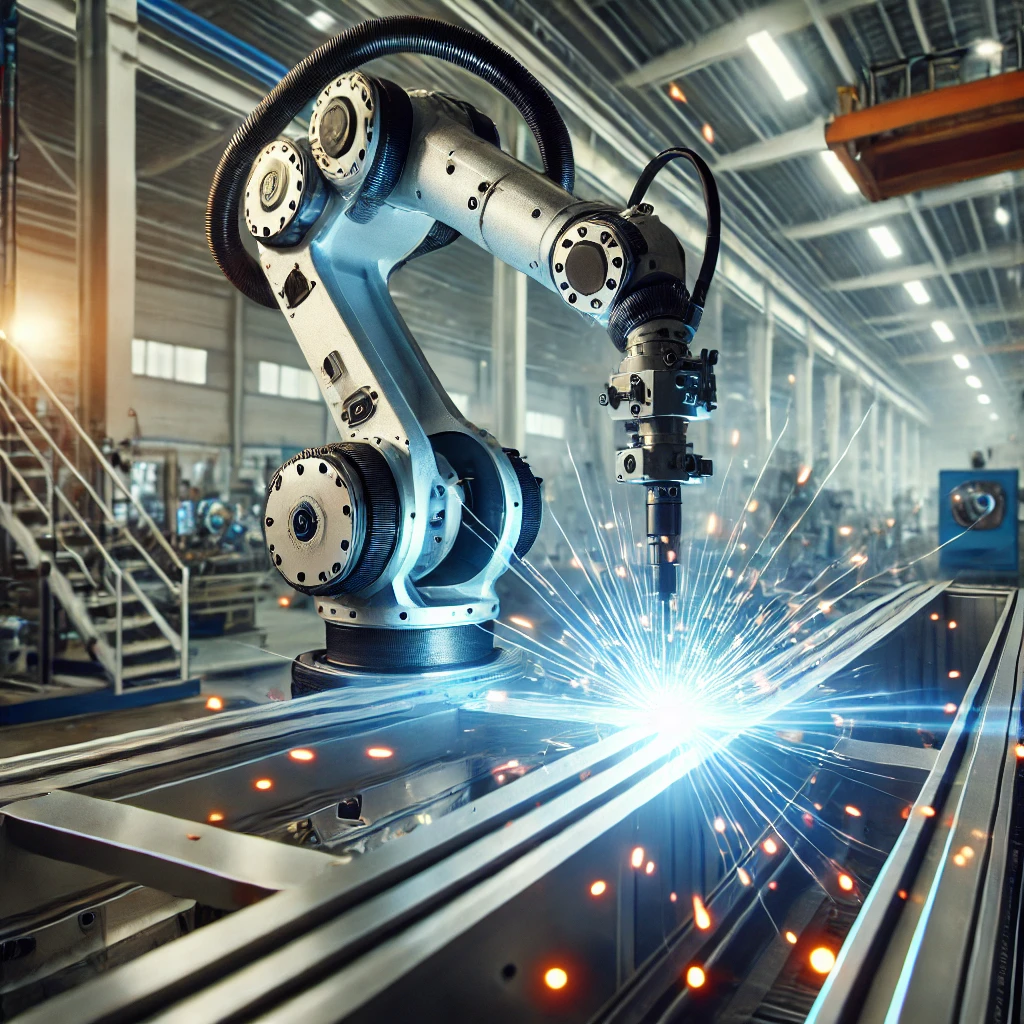

Warehouses and factories across the world are rapidly adopting robots to move goods, handle materials, and speed up operations. Among the most widely used are Autonomous Mobile Robots (AMR) and Automated Guided Vehicles (AGV). While both serve the same basic purpose — moving items from one point to another inside a facility — they work in very different ways. Knowing these differences helps businesses pick the right technology for their specific needs.
What Are AGV Robots?
Automated Guided Vehicles (AGVs) are robots that follow fixed, pre-set paths inside a warehouse or factory. These paths are created using physical guides such as magnetic strips, embedded wires, floor markings, or QR codes placed on the ground.
Because AGVs stick to their assigned routes, they are highly predictable. If an obstacle blocks the path, the robot typically stops and waits until the way is clear before moving again.
AGVs work best in environments where tasks are repetitive and routes rarely change. Common uses include:
- Moving heavy pallets in manufacturing plants
- Transporting raw materials in automotive factories
- Carrying goods along fixed conveyor-style routes in large warehouses
Their simplicity makes them reliable and easy to maintain in structured settings.
What Are AMR Robots?
Autonomous Mobile Robots (AMRs) are a more advanced type of warehouse robot. Instead of following fixed tracks, AMRs use sensors, cameras, and intelligent software to understand their surroundings in real time.
These robots build digital maps of the facility and calculate the most efficient path to their destination. If an obstacle appears, an AMR does not stop — it reroutes itself and keeps moving.
AMRs are ideal for:
- E-commerce fulfillment centers with high order volumes
- Smart factories where layouts change regularly
- Logistics hubs that need scalable and flexible automation
Their ability to adapt on the fly makes them a strong choice for fast-moving operations.
Navigation, Flexibility, and Safety: A Side-by-Side Look
The most significant differences between AMR and AGV robots come down to three areas: how they navigate, how flexible they are, and how they handle safety situations.
| Feature | AGV Robots | AMR Robots |
|---|---|---|
| Navigation Method | Magnetic strips, wires, floor markings | Sensors, cameras, digital mapping |
| Path Flexibility | Fixed, pre-set routes only | Dynamic, self-chosen routes |
| Obstacle Handling | Stops and waits | Detects and reroutes automatically |
| Setup Complexity | Requires physical infrastructure changes | Software-based, easier to reconfigure |
| Best For | Repetitive, predictable workflows | Dynamic, frequently changing operations |
AGVs are dependable in controlled environments, while AMRs offer greater operational independence and efficiency in complex settings.
Cost, Implementation, and Long-Term Value
When it comes to upfront investment, AGVs are generally less expensive to purchase. However, setting them up often requires physical changes to the warehouse floor — installing magnetic strips, wires, or markings — which adds to the total cost and time of deployment.
AMRs typically carry a higher initial price tag because of their advanced sensor systems and intelligent software. But they tend to deliver better long-term value because:
- They are easier to scale as business grows
- Reconfiguring routes requires only software updates, not physical changes
- They reduce downtime caused by obstacles or layout changes
- They integrate well with warehouse management systems
For businesses expecting growth or frequent operational changes, AMRs often prove more cost-effective over time.
Which Industries Use AMR and AGV Robots?
Both robot types are widely used across industries that depend on efficient material handling. The choice often depends on the nature of the operation.
AGVs are commonly found in:
- Automotive manufacturing plants
- Large-scale distribution centers with fixed workflows
- Heavy industry facilities handling bulk materials
AMRs are preferred in:
- E-commerce warehouses with high SKU variety and fast order cycles
- Pharmaceutical and healthcare logistics
- Smart factories adopting Industry 4.0 practices
As supply chains grow more complex, the demand for both types of robots continues to rise across global markets, including India’s rapidly expanding logistics and manufacturing sectors.
Both AMR and AGV robots are valuable tools in modern warehouse and factory automation. AGVs remain a solid choice for structured, repetitive environments where routes stay consistent. AMRs, with their intelligent navigation and adaptability, are better suited for operations that change often and need scalable solutions. As automation adoption grows in India and worldwide, businesses that understand these differences will be better positioned to invest wisely and improve operational efficiency for the long term.