
Wearable technology has moved far beyond simple step counting. Today, smartwatches, fitness bands, and smart rings packed with artificial intelligence are giving athletes a real edge — helping them train harder, recover faster, and stay injury-free. Here is a closer look at how these devices are changing sports and fitness.
Real-Time Performance Tracking During Workouts
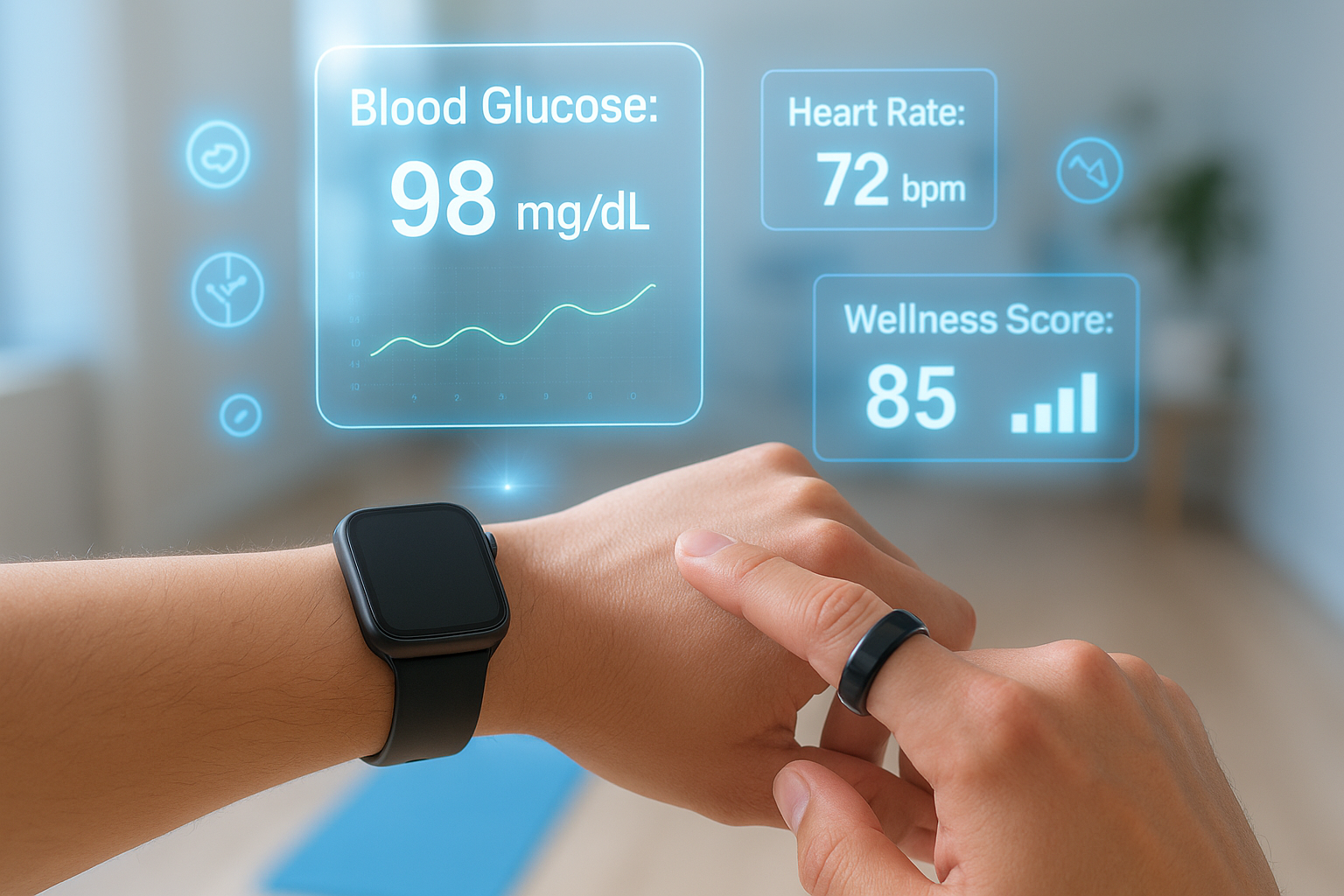
One of the strongest advantages of AI wearables is live performance monitoring. During any workout or sports activity, these devices continuously track key health and fitness metrics without interrupting the athlete.
Common data points tracked in real time include:
- Heart rate and heart rate zones
- Running speed and distance covered
- Calories burned during activity
- Blood oxygen levels (SpO2)
- Movement patterns and stride analysis
When athletes can see this information instantly on their wrist or through a connected app, they can adjust their pace or intensity on the spot. This leads to more productive training sessions and better results over time.
Personalized Training Plans Based on Your Body
No two athletes are the same. A training plan that works for one person may not work for another. This is where AI wearables truly stand out.
These devices study your past workout history and learn how your body responds to different types of exercise. Based on that analysis, they suggest workout intensity, session duration, and rest periods that match your current fitness level and long-term goals.
Instead of following a one-size-fits-all routine, athletes get personalized training guidance that adapts as they improve. This targeted approach helps people progress faster while avoiding overtraining.
Injury Prevention and Movement Safety
Sports injuries often happen when athletes push too hard or use poor technique. AI wearables are now capable of catching early warning signs before an injury occurs.
Advanced devices can detect:
- Unusual fatigue patterns that signal the body is under stress
- Irregular movement or running posture that could lead to strain
- Sudden spikes in exertion that increase injury risk
When the device identifies a potential problem, it sends an alert or recommendation — telling the athlete to slow down, correct their form, or take a break. This kind of proactive safety monitoring is especially valuable for professional athletes and those returning from previous injuries.
Recovery Monitoring and Sleep Tracking
Training hard is only half the equation. Recovery is equally important for long-term athletic performance. AI wearables track several recovery-related factors to help athletes understand how well their body is bouncing back.
| Recovery Factor | What It Indicates |
|---|---|
| Sleep quality and duration | How well the body is repairing muscles overnight |
| Resting heart rate | A lower resting rate often signals good recovery |
| Stress levels (HRV) | High stress may mean the body needs more rest |
Based on this data, the wearable may recommend a rest day, a lighter training session, or specific recovery activities like stretching or increased hydration. Proper recovery helps athletes maintain energy levels, build endurance, and avoid burnout.
Smart Coaching and Long-Term Progress Insights
Many modern AI wearables now include virtual coaching features that provide real-time feedback during workouts. The device might suggest increasing running pace, improving stride length, or easing off if the body is under too much stress.
Beyond single sessions, these devices also store long-term fitness data. Over weeks and months, athletes can review detailed reports showing improvements in speed, strength, endurance, and overall workout efficiency. Coaches and trainers can also use this data to make smarter decisions about an athlete’s program.
This data-driven approach removes guesswork from training and gives athletes a clear picture of where they stand and what they need to work on next.
What the Future Holds for AI Sports Wearables
The wearable technology space is advancing rapidly. Upcoming devices are expected to feature more precise sensors, deeper health analysis, and even better integration with coaching platforms. Some future wearables may track hydration levels, muscle oxygen saturation, and biomechanical data with greater accuracy than ever before.
As these technologies mature, AI-powered wearables will become standard tools not just for professional athletes but also for everyday fitness enthusiasts looking to get the most out of their training.
From smartwatches by brands like Apple, Garmin, and Whoop to smart rings like the Oura Ring, the market is already offering powerful options — and the next generation promises even more.
AI wearables are no longer a luxury for elite sports teams. They are becoming accessible, practical tools that help anyone train with more purpose, stay safe, and recover smarter. Whether you are a weekend runner or a professional athlete, these devices offer real, measurable benefits that can make a genuine difference in your performance and health.