
For years, we have relied on separate apps for almost every task — booking travel, managing emails, handling finances, and writing documents. But a major shift is underway. AI agents are emerging as intelligent systems that can handle multiple tasks on their own, without you needing to switch between dozens of applications. Companies like OpenAI, Google, Microsoft, Anthropic, and Meta are investing heavily in this technology, signalling that AI agents could be the next big leap in how humans interact with computers.
What Exactly Is an AI Agent?
An AI agent is not simply a chatbot that answers questions. It is a system that can plan, reason, make decisions, and take real actions on your behalf.
A traditional chatbot might tell you which flights are available. An AI agent, on the other hand, can search flights, compare prices, check your calendar, and complete the booking — all without you lifting a finger.
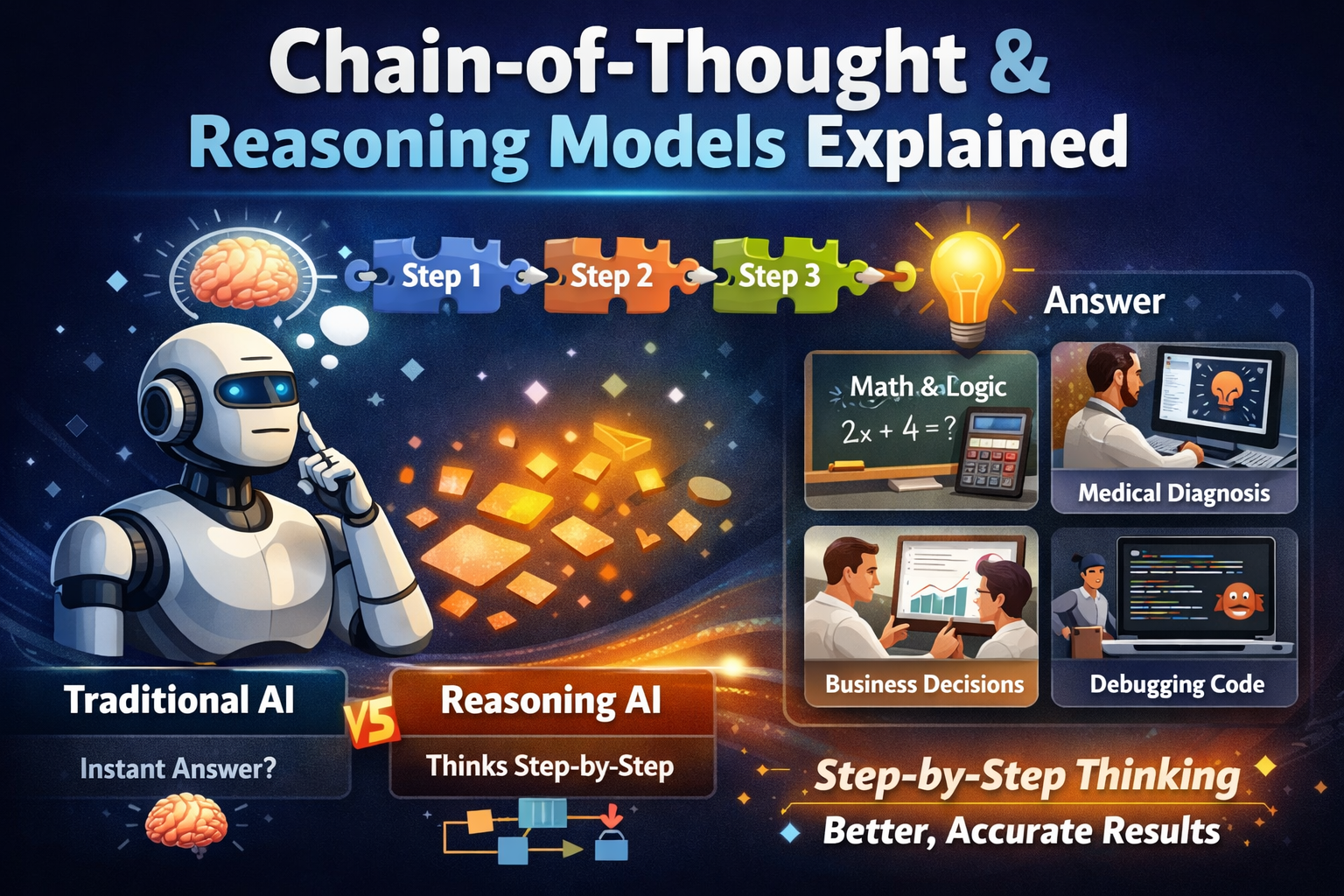
These systems are built on large language models combined with memory, planning tools, and real-time data access. This combination allows them to handle multi-step tasks that previously required human effort or multiple apps working together.
- Planning: Breaking a complex goal into smaller steps
- Reasoning: Choosing the best path based on available information
- Action: Connecting with external tools, APIs, and databases to execute tasks
- Memory: Remembering your preferences and past interactions to improve over time
Why AI Agents Are Growing So Fast
Several real-world trends are pushing AI agents into the spotlight.
Remote work has expanded the need for smart automation. Businesses want tools that save time and reduce manual effort. At the same time, the volume of data people deal with daily has grown so large that intelligent filtering and decision-making have become necessary.
The biggest driver, however, is the rapid maturity of generative AI. Advanced models can now understand context, follow complex instructions, and improve based on feedback. When developers realised these models could move from answering questions to completing tasks, the concept of AI agents became practical rather than theoretical.
How AI Agents Are Replacing Traditional Apps
Think about how you use your smartphone today. You open a maps app, then a booking app, then a payments app, then a calendar app — all for one simple trip. AI agents aim to collapse all of that into a single instruction.
Instead of managing multiple apps, you could simply say: “Plan a weekend trip within my budget, book the best-rated hotel, and set reminders.” The agent handles travel platforms, payment gateways, and your calendar in the background.
| Traditional App Approach | AI Agent Approach |
|---|---|
| Open multiple apps manually | Give one instruction to the agent |
| Switch between platforms | Agent connects all platforms automatically |
| User makes every decision | Agent reasons and decides based on your preferences |
| Time-consuming and repetitive | Fast, automated, and personalised |
AI Agents in Business and Enterprise
Businesses are adopting AI agents even faster than individual consumers. The use cases are wide and growing.
- Customer support: AI agents can handle complex support tickets without human involvement, reducing response time and costs.
- Software development: Autonomous coding agents connected to platforms like GitHub can write, debug, and test code independently.
- Marketing: Agents can analyse competitors, build content strategies, and optimise campaigns based on real-time data.
- Finance and operations: Agents can process invoices, flag anomalies, and generate reports automatically.
Enterprise tools integrated with AI are becoming smarter and more autonomous. Cloud service providers are already experimenting with agents that manage infrastructure without constant human oversight.
Challenges and Concerns Around AI Agents
Despite the promise, AI agents raise serious concerns that cannot be ignored.
Privacy is the biggest issue. If an AI agent manages your emails, finances, and health data, the level of trust required is enormous. A single security breach could expose highly sensitive information.
There are also concerns about:
- Job displacement: Roles that involve repetitive tasks could be automated away, affecting millions of workers.
- System errors: An agent making a wrong decision autonomously could cause real harm — financial, legal, or personal.
- Over-reliance: Depending too heavily on automated systems could reduce human critical thinking and oversight.
Regulation and ethical AI frameworks will be essential in shaping how these systems are built and deployed responsibly.
The Future of Human and AI Collaboration
AI agents are not designed to replace humans entirely. Their real value lies in augmenting human capability — handling the repetitive and time-consuming so that people can focus on creativity, strategy, and innovation.
Entrepreneurs could launch startups faster. Developers could build products in less time. Professionals could spend more energy on high-value decisions rather than administrative work.
Think of AI agents as personal digital executives — managing daily operations while you focus on what truly matters. The shift could feel similar to when smartphones replaced feature phones. At first it seemed optional. Then it became essential.
As research accelerates and investment grows, we are entering a phase where apps may fade into the background, replaced by intelligent systems that understand your goals and act on your behalf. The future of computing may not be about tapping icons — it may be about giving instructions.