Technology has always evolved, but a new concept called Living Intelligence is taking things to a different level entirely. By combining artificial intelligence, biotechnology, and smart sensors, Living Intelligence creates systems that behave, adapt, and learn much like living organisms do. From healthcare to farming, this emerging field is already changing how we interact with machines.
What Is Living Intelligence?
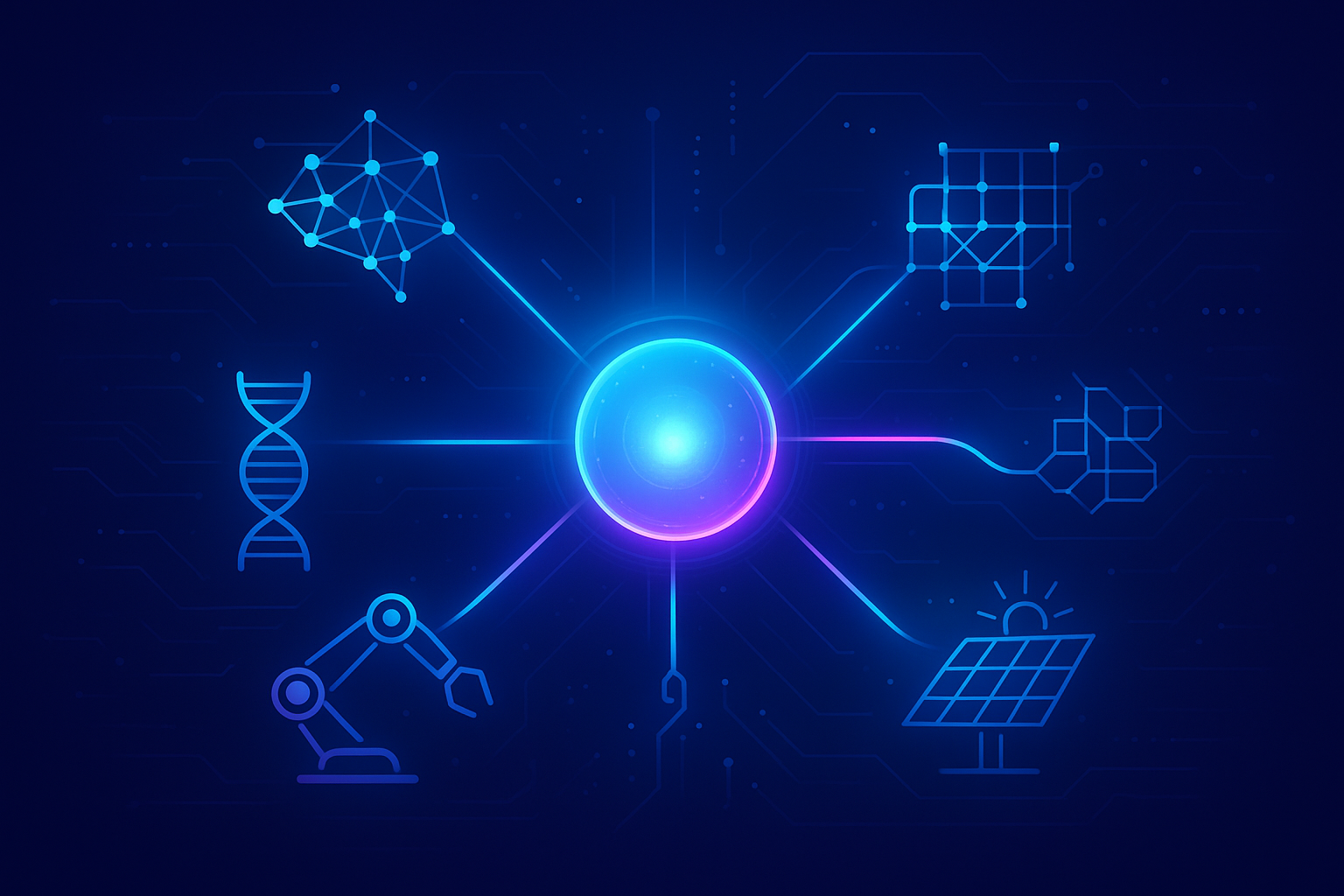
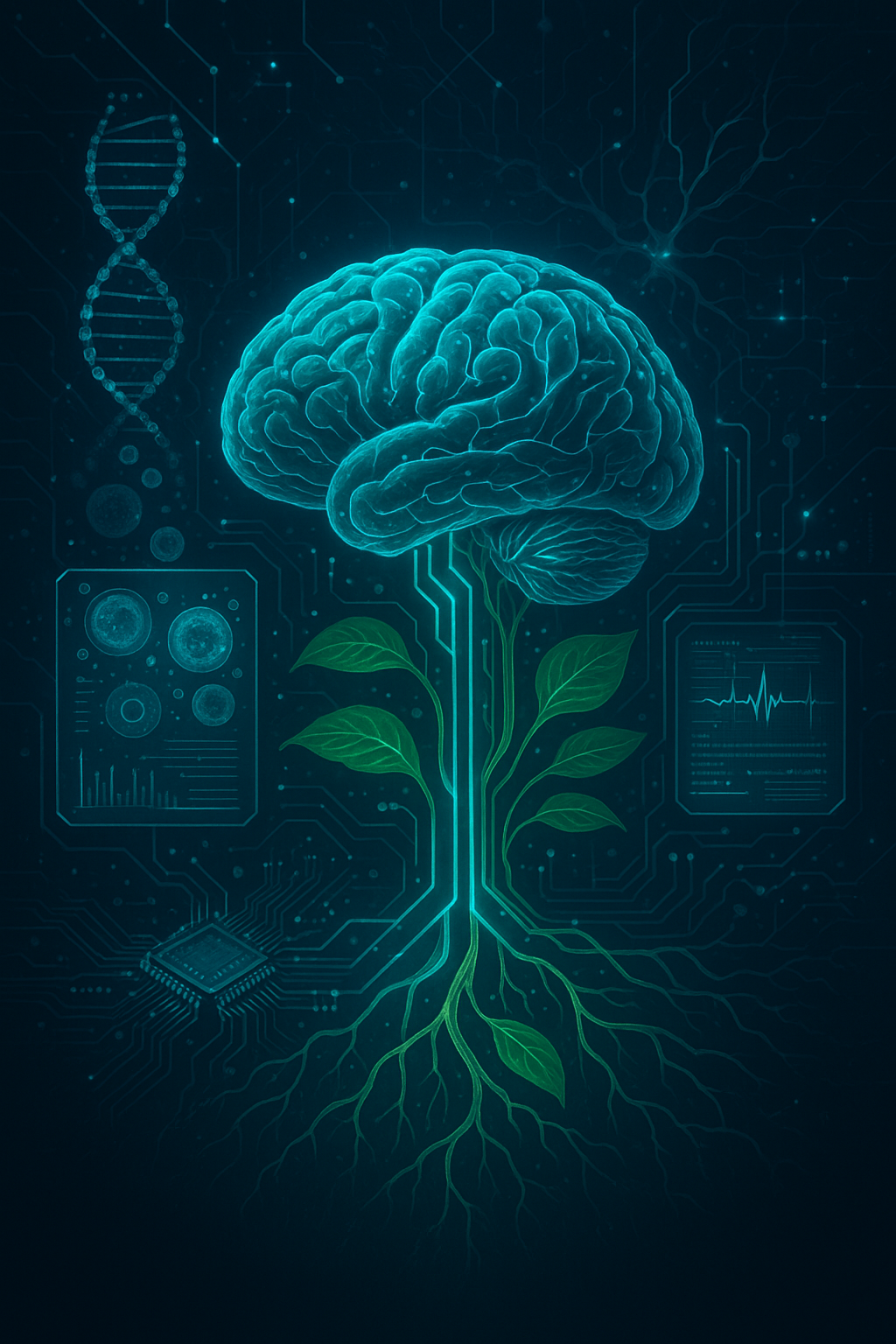
Living Intelligence refers to a new class of smart systems that merge three powerful technologies to mimic the behaviour of living creatures:
- Artificial Intelligence (AI) — enables machines to analyse data, recognise patterns, and make decisions without human input.
- Biotechnology — connects machines with biological systems, such as using brain signals or living cells to operate a device.
- Smart Sensors — act as the eyes, ears, and skin of a machine, collecting real-time data from the environment, the human body, or equipment.
Together, these three elements allow machines and devices to adjust, react, and grow smarter through experience — much like humans and animals do naturally.
The Three Core Building Blocks Explained
Understanding Living Intelligence starts with understanding its three key components and how they work together.
Artificial Intelligence forms the brain of the system. It processes large volumes of data, spots trends, and makes intelligent choices — all without needing a human to guide every step. This is what gives Living Intelligence its ability to learn and improve over time.
Biotechnology bridges the gap between machines and biology. This could mean using electrical signals from the brain to control a robotic limb, or using living cells as part of a device’s operating mechanism. Biotech is what makes these systems truly interact with life, not just simulate it.
Smart Sensors are the system’s connection to the real world. They continuously gather data — body temperature, heart rate, soil moisture, surrounding light — and feed it back into the AI so the system can respond quickly and accurately.
Where Living Intelligence Is Already Being Used
Living Intelligence is not just a concept for the future. It is already finding practical applications across several important fields:
- Healthcare Equipment: Intelligent medical devices that automatically adjust based on a patient’s heartbeat, body temperature, or real-time health data, enabling more personalised and responsive care.
- Neuroprosthetics (Brain-Driven Tools): Robotic arms and legs that detect brain signals and translate them into movement, offering life-changing support for people who have lost limbs.
- Bio-Robots: Robots built using living cells or biological tissues that can self-repair, interact naturally with humans, and perform tasks in ways traditional machines cannot.
- Precision Agriculture (Smart Farming): Farming systems equipped with sensors and AI that monitor crop conditions and decide exactly when to water, fertilise, or harvest — reducing waste and improving yields.
- Wearable Gadgets: Smartwatches and fitness trackers that monitor your body continuously and adjust their features or alerts to help improve your health and fitness over time.
Comparing Traditional Technology With Living Intelligence
| Feature | Traditional Technology | Living Intelligence |
|---|---|---|
| Adaptability | Fixed responses, needs reprogramming | Adapts in real-time on its own |
| Interaction with biology | Minimal or none | Directly interfaces with living systems |
| Learning ability | Limited, requires manual updates | Learns continuously from experience |
| Resource efficiency | Often uses fixed amounts of energy | Optimises energy and resource use dynamically |
Why Living Intelligence Matters for the Future
Living Intelligence stands out because it does not just process information — it grows and evolves with its environment. Here is why experts believe it holds enormous promise:
- Real-Time Adaptation: These systems improve and change on their own without waiting for human updates or reprogramming.
- Works Alongside Life: Unlike conventional machines, Living Intelligence systems interact directly with living creatures and biological processes.
- Greater Efficiency: By responding to actual conditions rather than fixed rules, these systems use energy, time, and resources far more effectively.
- Human-Centred Design: Living Intelligence connects technology to our bodies, our surroundings, and our real needs — making it far more useful in everyday life.
As research in AI, biotechnology, and sensor technology continues to advance, Living Intelligence is expected to become a central part of healthcare, agriculture, robotics, and personal technology in the years ahead.
In short, Living Intelligence represents a shift from machines that simply follow instructions to systems that genuinely learn, adapt, and work in harmony with the living world around them. It is one of the most exciting and meaningful directions that modern technology is heading.