Blockchain technology is known for being open and transparent — every transaction is visible to anyone on the network. But what if you need to prove something without exposing your private data? That is exactly the problem Zero-Knowledge Proofs (ZKPs) solve. This cryptographic technique is quietly reshaping how privacy and trust work together in the digital world.
What Is a Zero-Knowledge Proof?
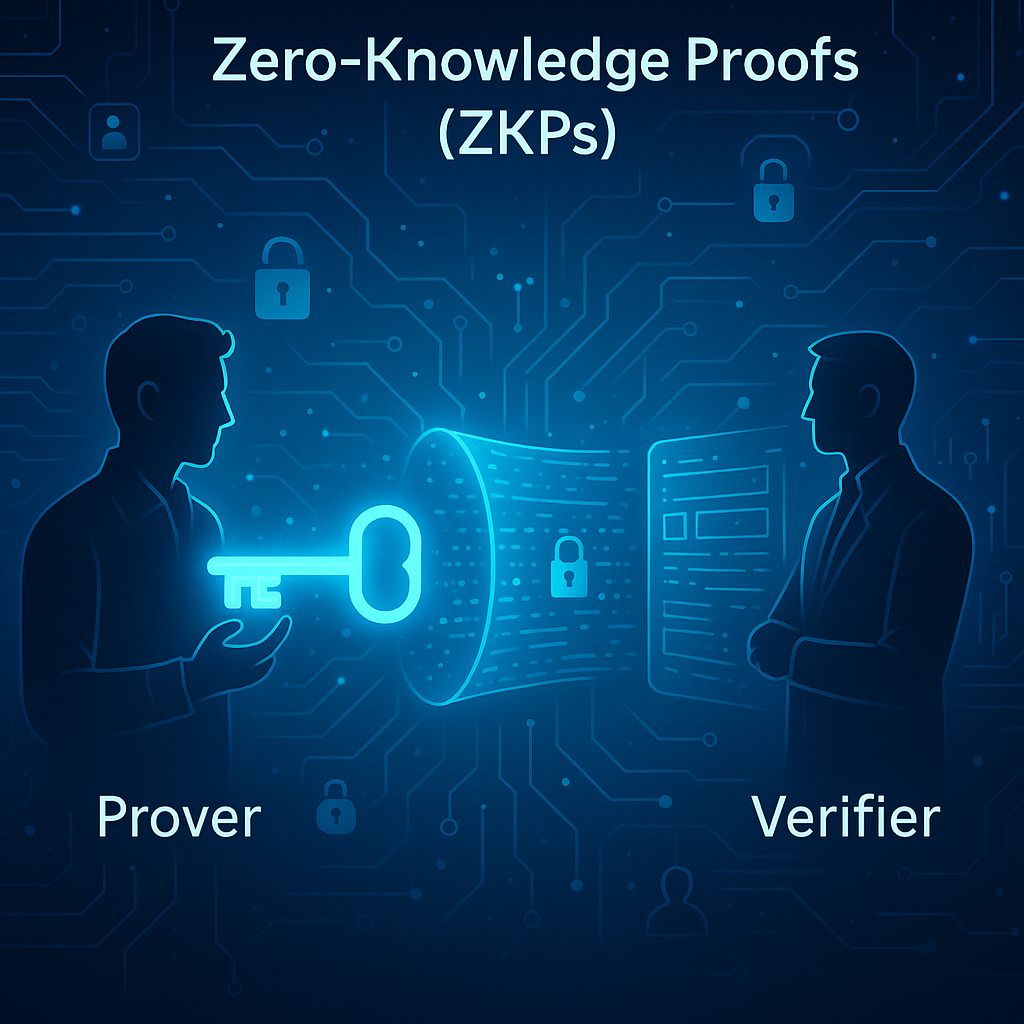
A Zero-Knowledge Proof is a cryptographic method that allows one party — called the prover — to convince another party — the verifier — that a statement is true, without sharing any underlying information that proves it.
Think of it this way: imagine you know the password to a locked door. A Zero-Knowledge Proof lets you demonstrate that you know the password without actually saying what the password is. The verifier is convinced you have the knowledge, but learns nothing about the secret itself.
This concept was first introduced in a 1985 research paper by MIT scientists Shafi Goldwasser, Silvio Micali, and Charles Rackoff. Decades later, it has found powerful real-world applications in blockchain, digital identity, and secure voting systems.
How Do Zero-Knowledge Proofs Work?
The process behind ZKPs is straightforward in concept, even if the mathematics involved is complex. Here is how it works step by step:
- The prover holds a secret — this could be a password, a private key, or any piece of sensitive information.
- The prover generates a proof — a special mathematical code created using that secret.
- The verifier checks the proof — they examine the code to confirm it is valid.
- The secret stays hidden — only the proof is shared, never the secret itself.
The result is a system where trust is established without any sensitive data changing hands. It is secure, private, and mathematically sound.
Types of Zero-Knowledge Proofs
There are two main categories of ZKPs, each suited to different use cases:
| Type | How It Works | Best Used For |
|---|---|---|
| Interactive ZKPs | The prover and verifier exchange multiple messages back and forth to confirm the proof. | Situations where real-time communication is possible |
| Non-Interactive ZKPs (NIZKPs) | The prover sends a single message as proof. No back-and-forth conversation is needed. | Blockchain applications, smart contracts, and scalable systems |
Non-Interactive ZKPs are far more practical for blockchain use because they do not require both parties to be online at the same time. Technologies like zk-SNARKs (Zero-Knowledge Succinct Non-Interactive Arguments of Knowledge) and zk-STARKs are popular variants used in production systems today.
Why Zero-Knowledge Proofs Matter for Blockchain
Blockchain networks are built on transparency, but that same transparency creates privacy risks. ZKPs bridge this gap in three important ways:
- Privacy protection: Users can prove their age, account balance, or identity without revealing complete personal details. This is critical for financial services and healthcare applications.
- Faster transactions: ZKPs reduce the amount of data that needs to be stored and verified on the blockchain, which speeds up processing times significantly.
- Trust without exposure: Audits, compliance checks, and identity verification can all happen without sensitive data being disclosed — making ZKPs ideal for regulated industries.
These benefits make ZKPs one of the most important privacy technologies being developed in the blockchain space right now.
Real-World Applications of ZKPs Today
Zero-Knowledge Proofs are no longer just a theoretical concept. They are already being used in several live systems:
- Zcash: A privacy-focused cryptocurrency that uses zk-SNARKs to allow fully private transactions on a public blockchain.
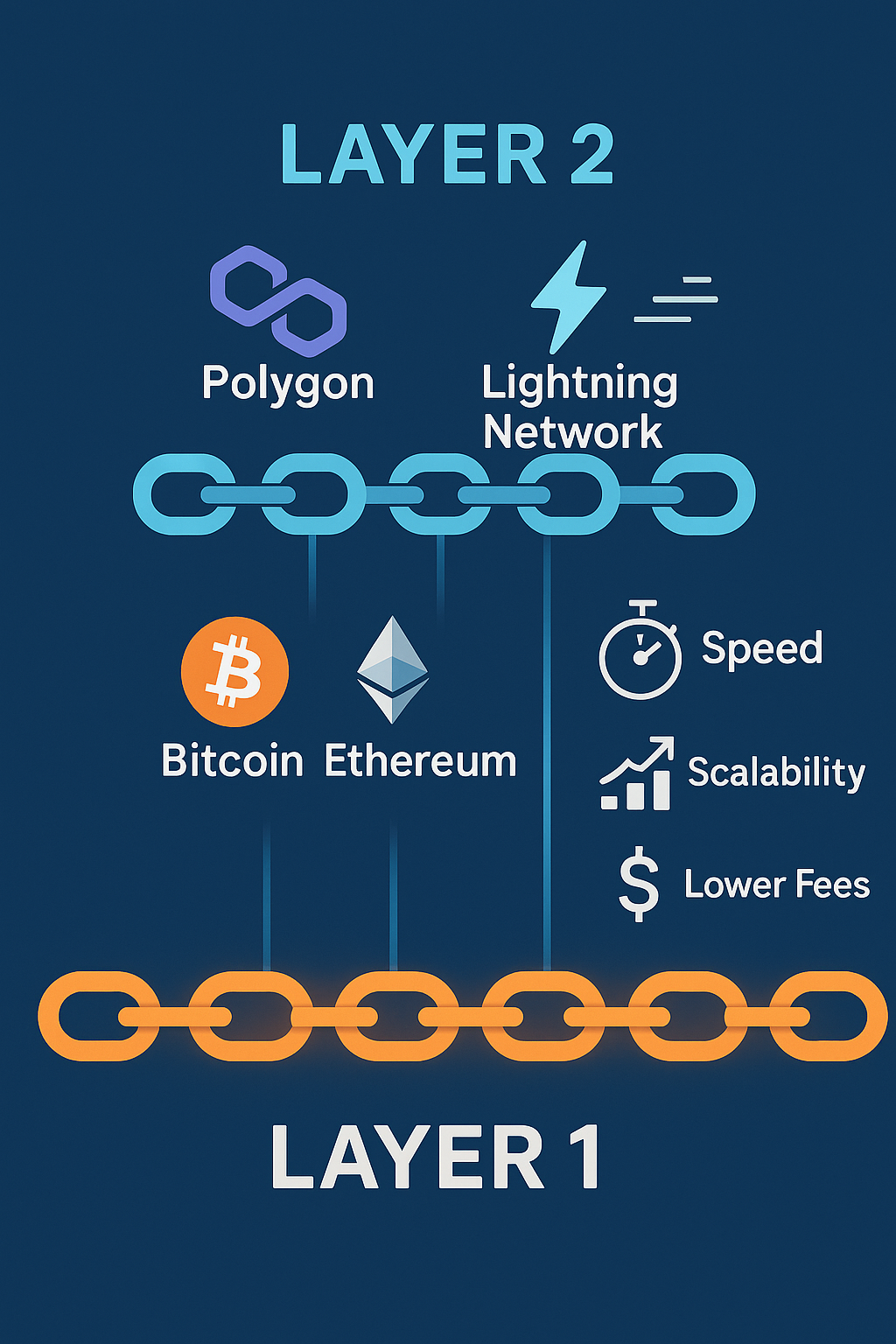
- zkRollups on Ethereum: A Layer 2 scaling solution that bundles multiple transactions together and uses ZKPs to verify them quickly, reducing congestion and fees on the Ethereum network.
- Digital identity verification: Platforms are using ZKPs to let users prove who they are — for KYC checks or age verification — without submitting full identity documents.
- Online voting systems: ZKPs allow voters to cast ballots and have them counted without revealing how they voted, protecting democratic privacy.
- AI model verification: Researchers are exploring ZKPs to prove that an AI model produced a certain output without exposing the proprietary training data behind it.
As adoption grows, ZKPs are expected to play a central role in Web3 infrastructure, decentralised finance (DeFi), and government digital services.
Zero-Knowledge Proofs represent a major step forward in how we think about privacy and verification. They make it possible to build systems where trust does not require exposure — a balance that is increasingly important in a data-sensitive world. Whether you are a developer, investor, or simply curious about blockchain technology, understanding ZKPs gives you a clearer picture of where the internet is heading next.