Smartwatches, fitness bands, and smart rings have moved far beyond their original purpose as simple accessories. Today, these devices sit at the heart of two powerful technology trends — ambient computing and edge AI. Together, they are quietly changing how people interact with technology every single day.
What Is Ambient Computing and Why Does It Matter?
Ambient computing refers to a style of technology that works naturally in the background, without requiring constant attention or commands from the user. Instead of asking a device to do something, the technology senses what you need and responds on its own.
Wearables are ideal for this because they stay on the body throughout the day. They collect data about movement, health, surroundings, and habits. This continuous stream of information allows connected systems to respond automatically and intelligently.
- No need to pull out a phone for every task
- Technology adapts to your routine without manual input
- Devices communicate with each other to create a connected experience
The result is a daily life where technology feels less like a tool and more like a quiet assistant.
Edge AI Explained: Why Processing Data on the Device Changes Everything
Edge AI means that data is processed directly on the wearable device itself, rather than being sent to a remote cloud server for analysis. This shift has significant benefits for users.
When a smartwatch detects an irregular heartbeat or a fitness tracker notices a drop in performance, edge AI allows the device to analyze that data instantly and respond in real time. There is no waiting for a server response, and no need for a constant internet connection.
| Feature | Cloud Processing | Edge AI on Wearables |
|---|---|---|
| Response Speed | Slower, depends on connectivity | Instant, on-device |
| Privacy | Data leaves the device | Data stays on device |
| Internet Dependency | Required | Not always needed |
| Battery Usage | Lower on device | Optimized with efficient chips |
For everyday users, this means smarter, faster, and more private wearable experiences.
How Wearables Collect and Use Real-Time Health Data
One of the biggest strengths of wearables is their ability to gather continuous, real-world data. Sensors built into smartwatches and fitness bands track a wide range of health and activity metrics:
- Heart rate and blood oxygen levels
- Daily step count and physical activity
- Sleep quality and duration
- Stress levels through skin response sensors
- Body temperature and movement patterns
This data is not just stored — it is actively used to personalize the user experience. A fitness tracker powered by edge AI can adjust workout recommendations based on how the body is performing that day. A smartwatch can send an early warning if it detects something unusual in heart rhythm.
For healthcare, this is particularly valuable. Doctors can access wearable data to monitor patients remotely, catch early signs of health issues, and provide more informed care without requiring frequent clinic visits.
Privacy, Security, and User Trust in Wearable Technology
One concern many people have about wearables is data privacy. Since these devices collect sensitive personal information — including health metrics and location — users naturally want to know where that data goes.
Edge AI directly addresses this concern. Because data is processed on the device itself, far less information needs to be transmitted over the internet. This reduces exposure to data breaches and unauthorized access.
Wearable brands that prioritize on-device processing are building stronger trust with users. When people feel confident that their personal health data is not being shared without consent, they are more likely to adopt and continue using these devices.
The Future of Wearables in Smart Homes, Offices, and Cities
The role of wearables is set to grow significantly as smart environments become more common. In smart homes, a wearable could automatically adjust lighting, temperature, or music based on the user’s mood or activity level. In offices, wearables could help manage focus time, reduce stress, and improve productivity.
At a city level, wearables connected to urban infrastructure could assist with navigation, emergency alerts, and public health monitoring. As these devices become more capable, they will act as a personal bridge between the individual and the intelligent systems around them.
Key developments expected in the near future include:
- Deeper integration with smart home platforms like Google Home and Amazon Alexa
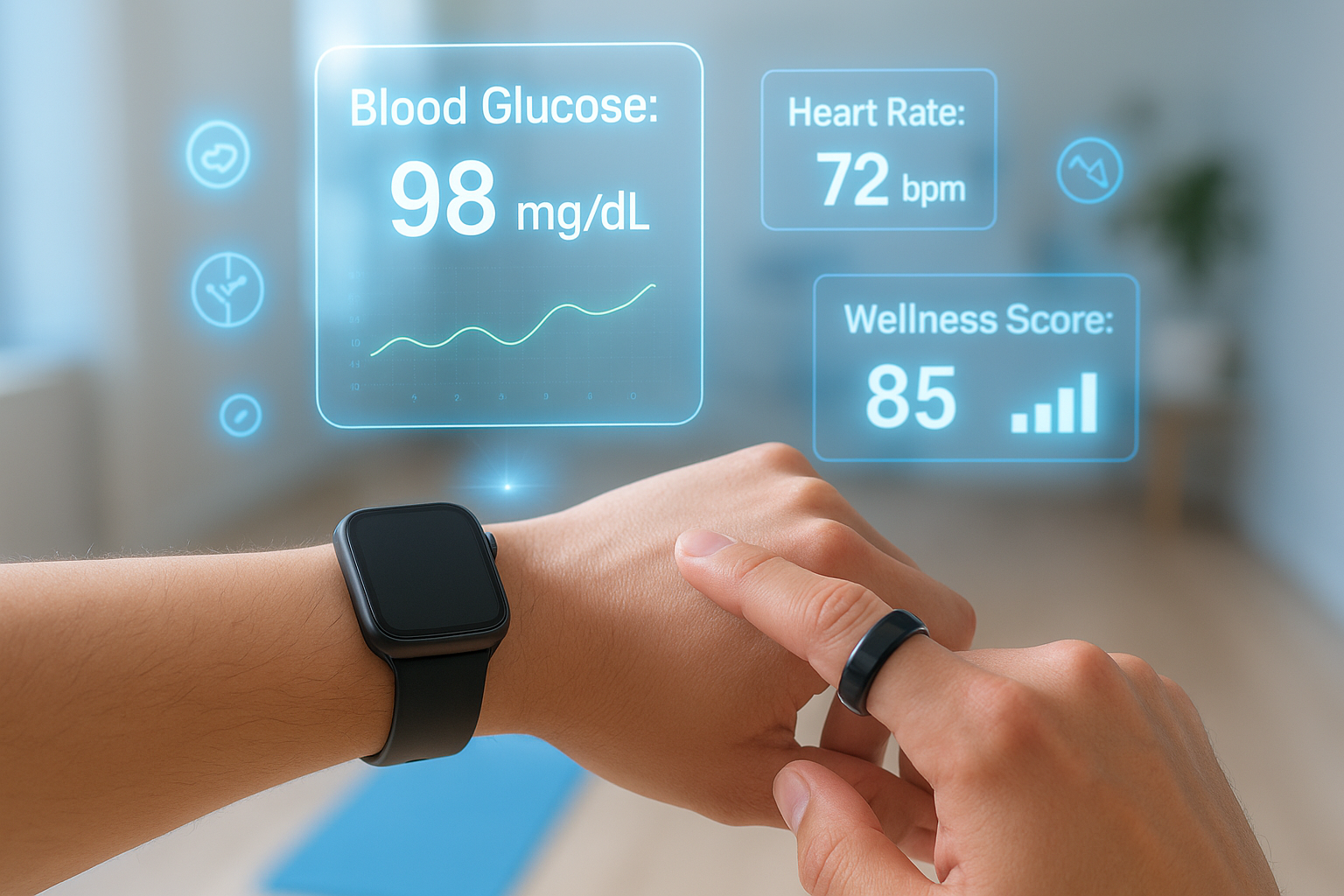
- More advanced health monitoring, including blood glucose tracking
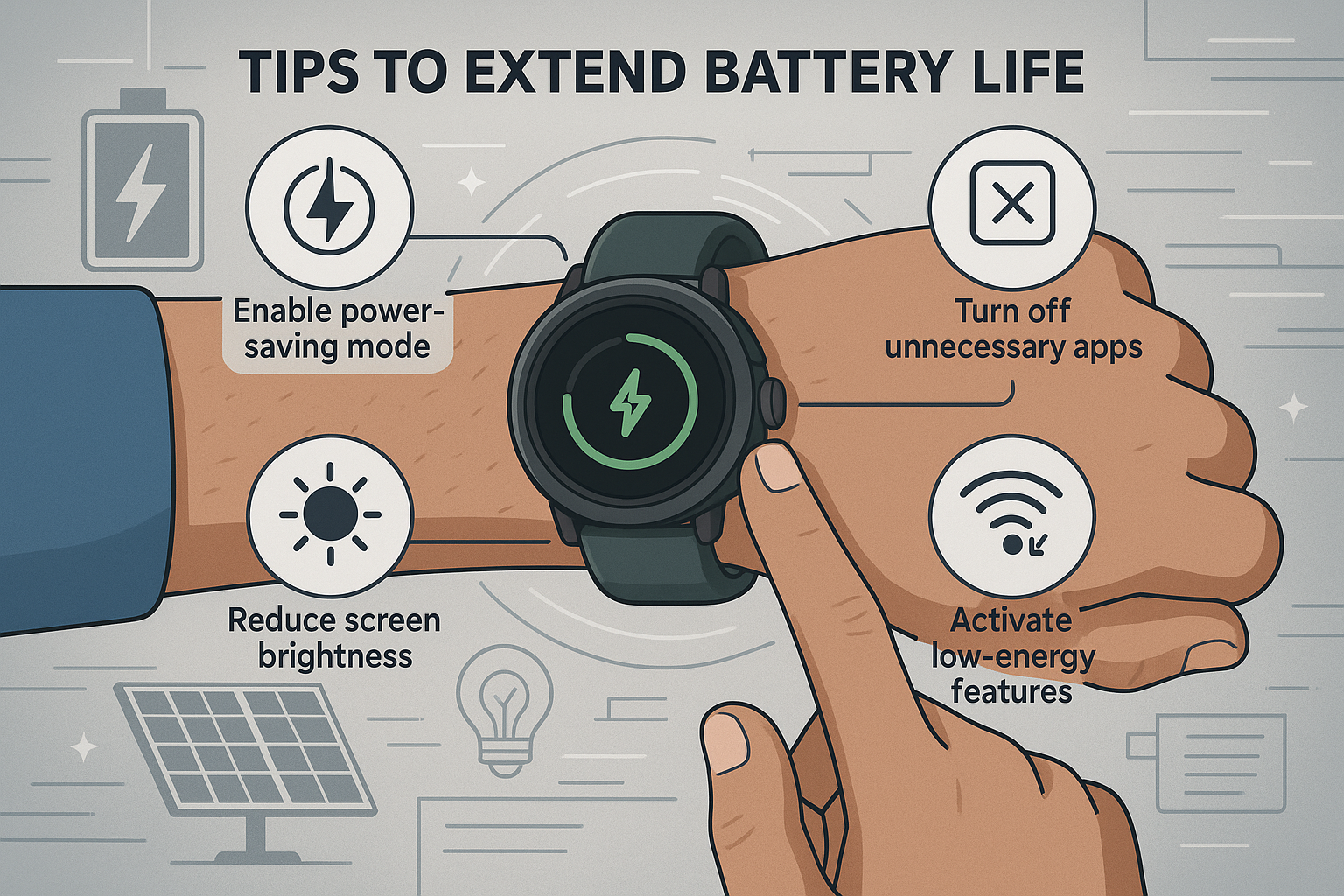
- Longer battery life through efficient edge AI chips
- Improved natural language and gesture-based controls
- Greater interoperability between wearables and other connected devices
Wearables are no longer just gadgets. They are becoming essential nodes in a larger network of intelligent, connected technology.
As smartwatches, fitness bands, and smart rings continue to improve, their ability to support ambient computing and edge AI will only grow stronger. For users, this means technology that is faster, more private, and genuinely useful — working quietly in the background to make everyday life a little easier.