Software is evolving at a pace that is hard to ignore. From smarter applications to stronger security, the next five years will bring significant changes to how software is built, used, and experienced. Whether you run a business or simply use apps daily, these shifts will affect you directly.
Artificial Intelligence Becoming a Core Part of Software
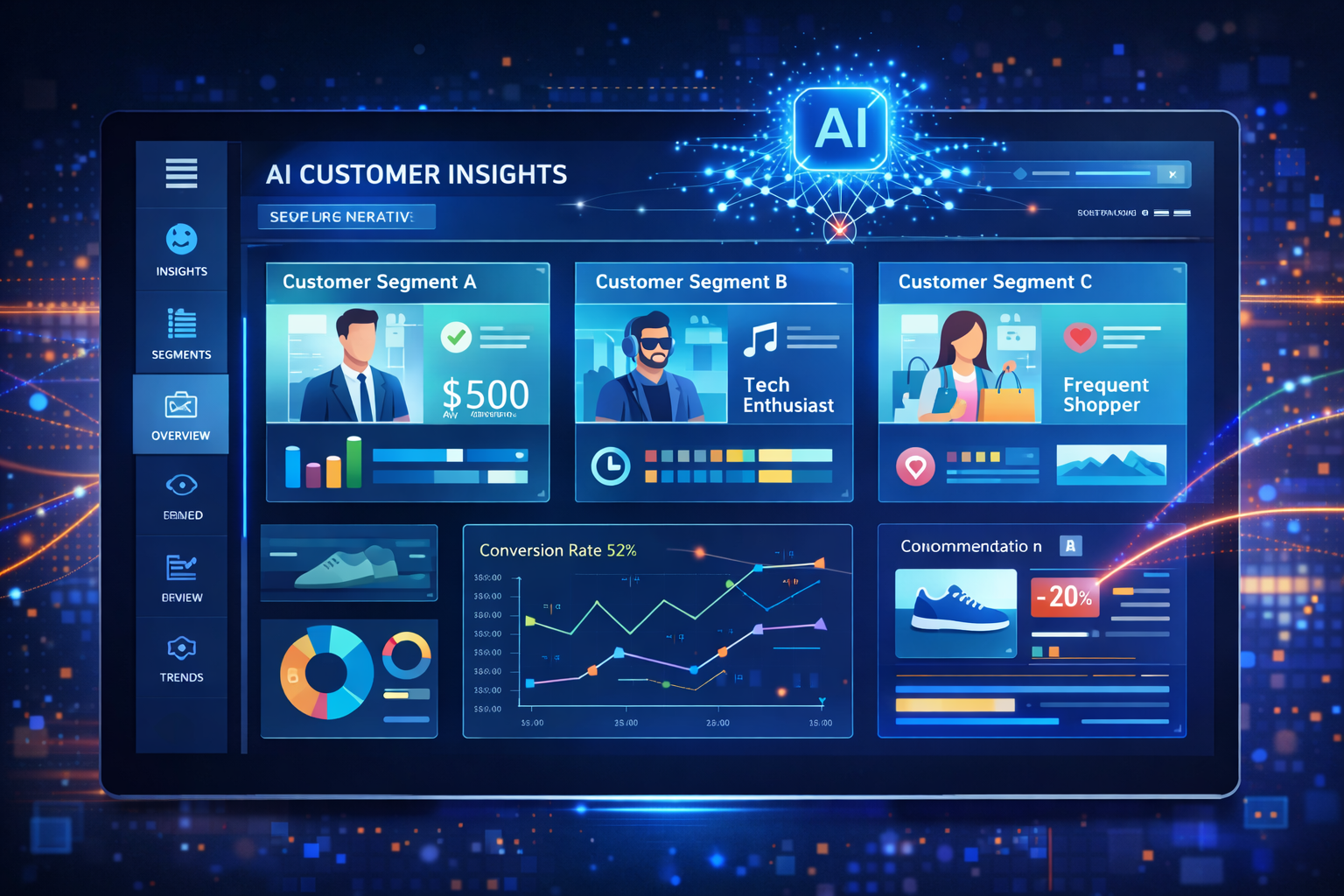
Artificial Intelligence is no longer a feature reserved for tech giants. Over the next five years, AI will become a standard component in everyday software applications — from productivity tools to customer service platforms.
Software powered by AI will be able to:
- Automate repetitive tasks without human input
- Analyze large sets of data quickly and accurately
- Offer smart suggestions based on user behavior
- Learn and improve over time through usage patterns
This shift will help businesses make faster decisions, reduce operational costs, and deliver better outcomes for their customers.
Cloud Software Takes Centre Stage
Cloud-based software is already popular, but it will become the default choice for most businesses in the coming years. Instead of installing software on individual machines, users will access applications directly through the internet.
The key advantages driving this shift include:
- Flexibility: Access software from any device, anywhere
- Cost savings: No heavy hardware investment required
- Easy updates: Software stays current without manual upgrades
- Remote work support: Ideal for distributed and hybrid teams
As internet infrastructure improves across India and globally, cloud adoption will accelerate even among small and medium businesses.
Low-Code and No-Code Platforms Open Software to Everyone
One of the most significant shifts in software development is the rise of low-code and no-code platforms. These tools allow people with little or no programming background to build functional applications using simple drag-and-drop interfaces.
This trend is important for several reasons:
- It reduces dependence on specialist developers for basic software needs
- It speeds up the time it takes to build and launch applications
- It lowers development costs for startups and small businesses
- It empowers non-technical teams to solve their own workflow problems
As these platforms mature, they will handle more complex use cases, making software development accessible to a much wider audience.
Security and User Experience Get Equal Priority
Cybersecurity threats are growing in both volume and sophistication. Future software will treat security not as an afterthought but as a foundation built into the development process from day one. Developers will follow a security-first approach, ensuring user data is protected at every stage.
At the same time, user experience will receive equal attention. Applications will be designed to be faster, simpler, and more intuitive. Personalization will play a bigger role — software will adapt to individual preferences, making each user’s experience feel tailored rather than generic.
| Trend | Primary Benefit | Who It Impacts Most |
|---|---|---|
| AI Integration | Smarter automation and insights | Businesses, developers |
| Cloud Software | Flexibility and cost savings | All users and companies |
| Low-Code/No-Code | Faster, cheaper development | Startups, non-tech teams |
| Security-First Design | Stronger data protection | End users, enterprises |
| Software Integration | Smoother workflows | Operations and IT teams |
Automation and Integration Will Reshape How Work Gets Done
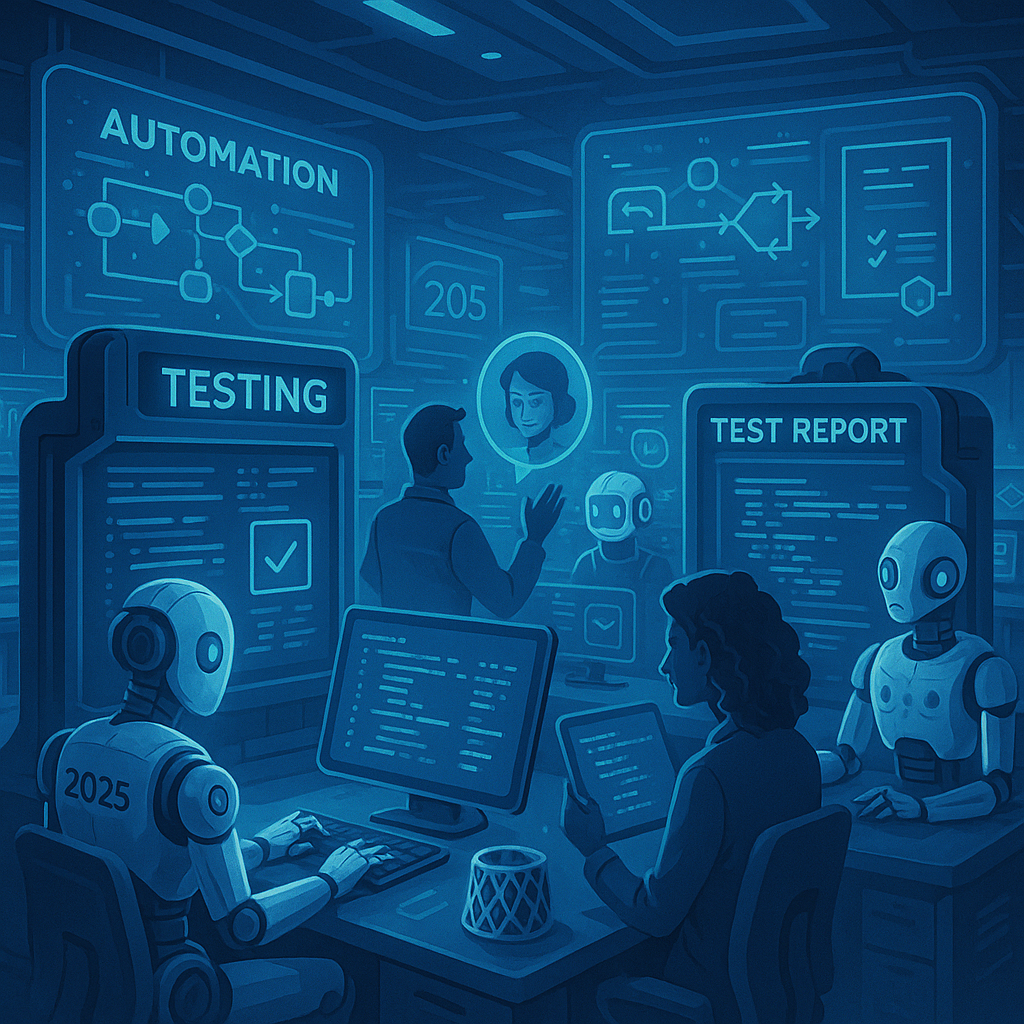
Automation will handle a growing share of routine tasks across industries. Software systems will automatically process data, send notifications, generate reports, and manage workflows — all without manual input. This frees employees to focus on work that requires creativity, judgment, and human connection.
Alongside automation, software integration will become smoother. Applications will connect with each other more easily, sharing data across platforms without friction. Businesses will benefit from unified systems where tools like CRM software, accounting platforms, and project management apps all work together in real time.
This connected approach reduces duplicate work, minimizes errors, and gives teams a clearer picture of their operations at any given moment.
The next five years will bring software changes that touch every industry and every type of user. Businesses that stay aware of these trends — and adapt their tools and strategies accordingly — will be better placed to grow, compete, and serve their customers well. For individuals, understanding these shifts means being prepared for a workplace and daily life where software plays an even bigger role than it does today.
Frequently Asked Questions
The most significant trends include AI integration in everyday applications, widespread adoption of cloud-based software, growth of low-code and no-code development platforms, stronger focus on cybersecurity, and increased automation across business workflows.
Low-code and no-code platforms allow people with little or no programming experience to build applications using drag-and-drop tools. This reduces development costs, speeds up the process, and makes software creation accessible to non-technical teams and small businesses.
Cloud software offers flexibility, cost savings, and easy access from any device or location. It eliminates the need for expensive hardware, supports remote work, and ensures software stays updated automatically — making it ideal for modern businesses of all sizes.