
Quantum computing is no longer just a concept from science fiction. It is a real and rapidly advancing field that could change how we solve the world’s most complex problems — from discovering life-saving medicines to building stronger cybersecurity systems. Here is a clear and simple guide to understanding what quantum computing and quantum engineering are, how they work, and why they matter.
What Is Quantum Computing?
Traditional computers process information using bits, which can only be in one of two states — either 0 or 1. Quantum computers work differently. They use qubits, which can exist as both 0 and 1 at the same time. This property is called superposition.
Because of superposition, a quantum computer can explore many possible solutions to a problem simultaneously, rather than checking them one by one. This makes quantum computers far more powerful than classical computers for certain types of tasks.
Another key concept is entanglement. When two qubits become entangled, the state of one instantly influences the other, no matter how far apart they are. This allows quantum computers to share and process information in ways that classical machines simply cannot.
What Is Quantum Engineering?
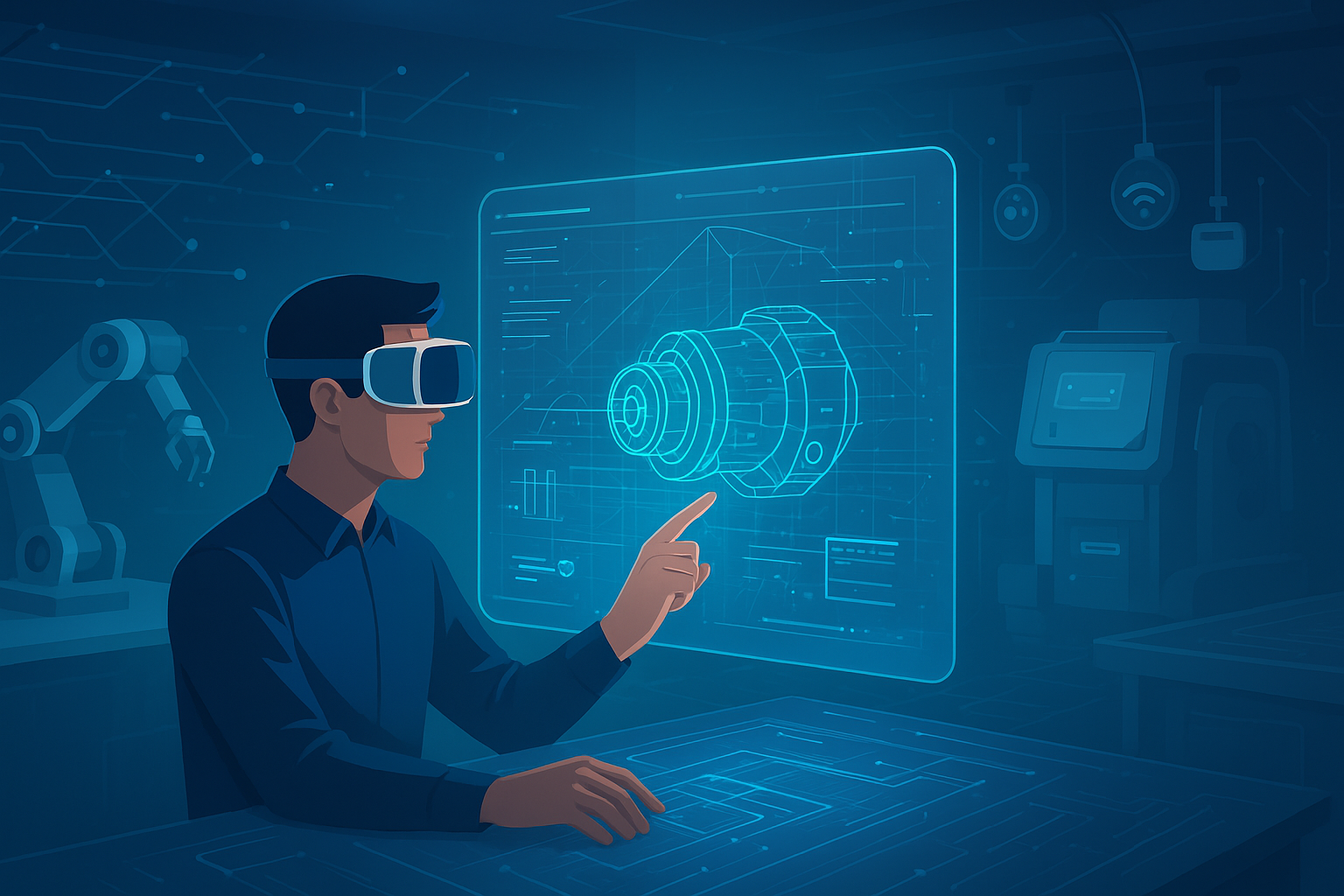
Quantum engineering is the practical side of quantum science. While quantum physics explains the theory, quantum engineering focuses on actually building machines and systems that use these principles in the real world.
Quantum engineers work on:
- Designing stable qubit systems that can maintain their quantum state long enough to be useful
- Developing hardware that operates at extremely low temperatures, close to absolute zero
- Creating software and algorithms that can run on quantum hardware
- Making quantum systems reliable and scalable for commercial and industrial use
It is a highly specialised field that combines physics, computer science, materials science, and electrical engineering.
Where Is Quantum Computing Being Used?
Quantum computing is already being explored across several important industries. While most applications are still in research and early development stages, the potential impact is enormous.
| Industry | Potential Application |
|---|---|
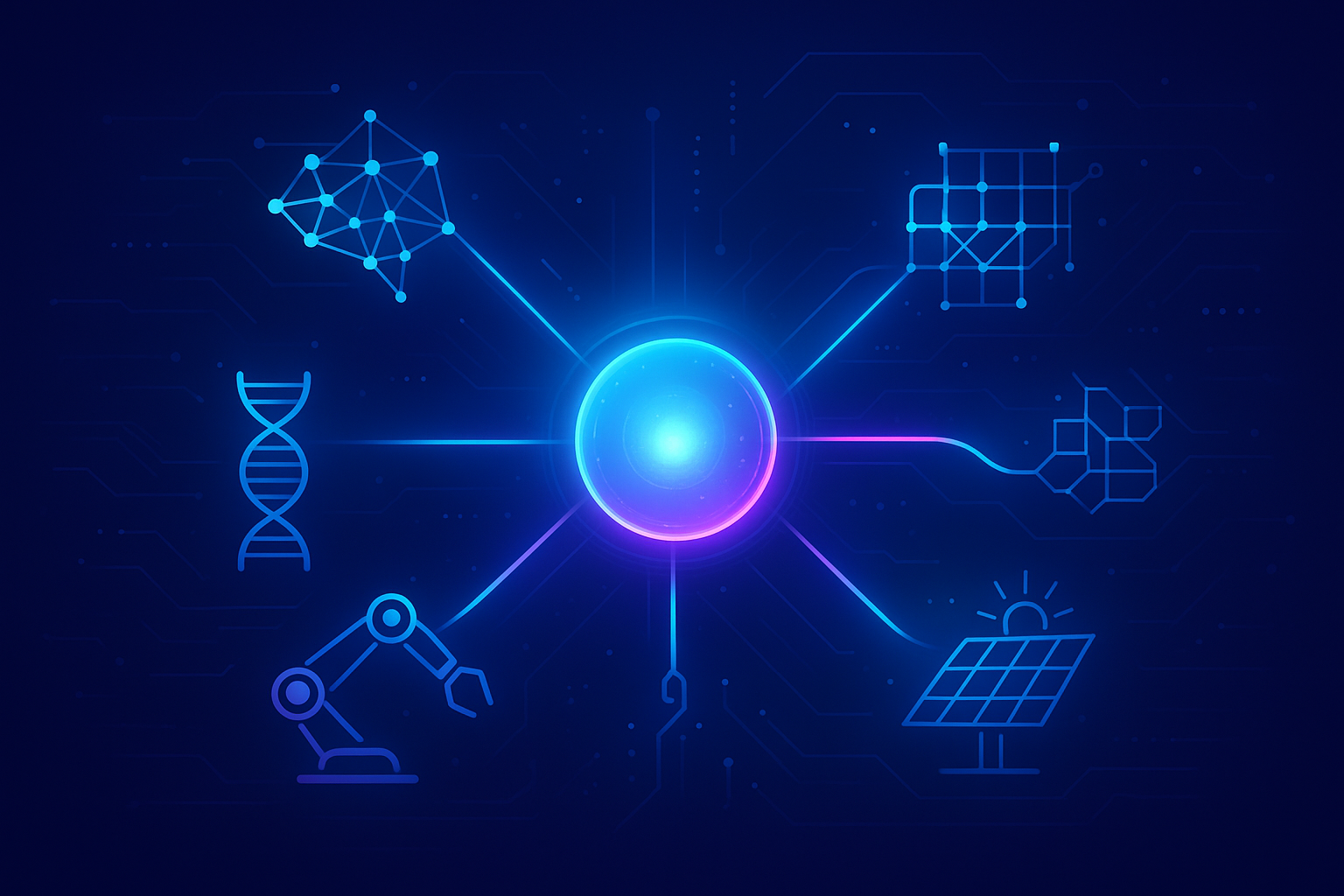
| Healthcare | Accelerating drug discovery and protein folding research |
| Finance | Improving risk analysis, fraud detection, and portfolio optimisation |
| Cybersecurity | Building quantum-safe encryption systems |
| Climate Science | Modelling complex climate systems and environmental data |
| Artificial Intelligence | Speeding up machine learning and data processing tasks |
Major technology companies and governments around the world are investing heavily in quantum research, recognising its long-term strategic importance.
Key Challenges Facing Quantum Technology
Despite its promise, quantum computing still faces significant hurdles before it becomes widely available:
- Stability: Qubits are extremely fragile. Even tiny disturbances from heat, vibration, or electromagnetic interference can cause errors, a problem known as decoherence.
- Temperature requirements: Most quantum computers need to operate at temperatures colder than outer space, requiring expensive and complex cooling systems.
- Error rates: Current quantum systems still produce a high number of errors compared to classical computers, making them unreliable for many practical tasks.
- Scalability: Building quantum computers with enough qubits to outperform classical computers on real-world problems remains a major engineering challenge.
Researchers and engineers are actively working to overcome these barriers, and progress is being made steadily.
What Does the Future of Quantum Computing Look Like?
The outlook for quantum computing is highly promising. Experts believe that in the coming years, quantum computers will not replace classical computers entirely but will work alongside them. Classical computers will handle everyday tasks, while quantum systems will tackle highly complex calculations that are beyond the reach of traditional hardware.
As quantum engineering matures, costs are expected to fall and accessibility will improve. Industries that rely on large-scale data processing, scientific research, and advanced modelling stand to benefit the most. Governments in countries including the United States, China, India, and across Europe have already launched national quantum missions to accelerate development and stay competitive in this emerging field.
For students and professionals in science, technology, and engineering, quantum computing represents one of the most exciting career frontiers of the next decade.
In summary, quantum computing and quantum engineering are not distant future concepts — they are active areas of research and development that are already beginning to shape industries and scientific discovery. Understanding the basics of this technology today puts you ahead of a very important curve.