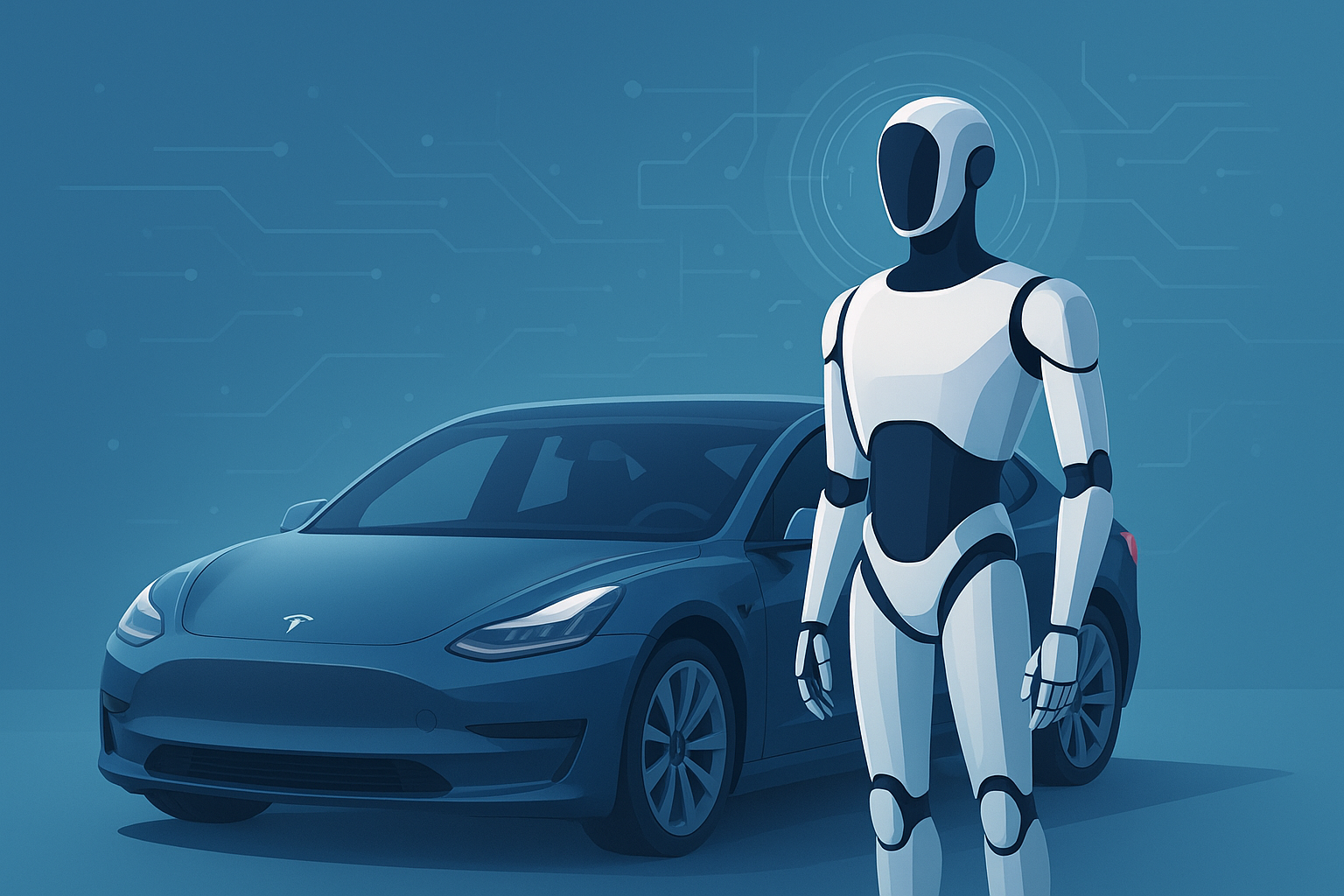
Tesla built its reputation on electric vehicles, but Elon Musk is now betting that humanoid robots will become the company’s biggest business. His claim that Tesla will earn more revenue from robots than cars in the coming years is turning heads across the tech and business world. Here is a closer look at what Tesla is building, why it matters, and what challenges still lie ahead.
What Is Tesla Optimus?
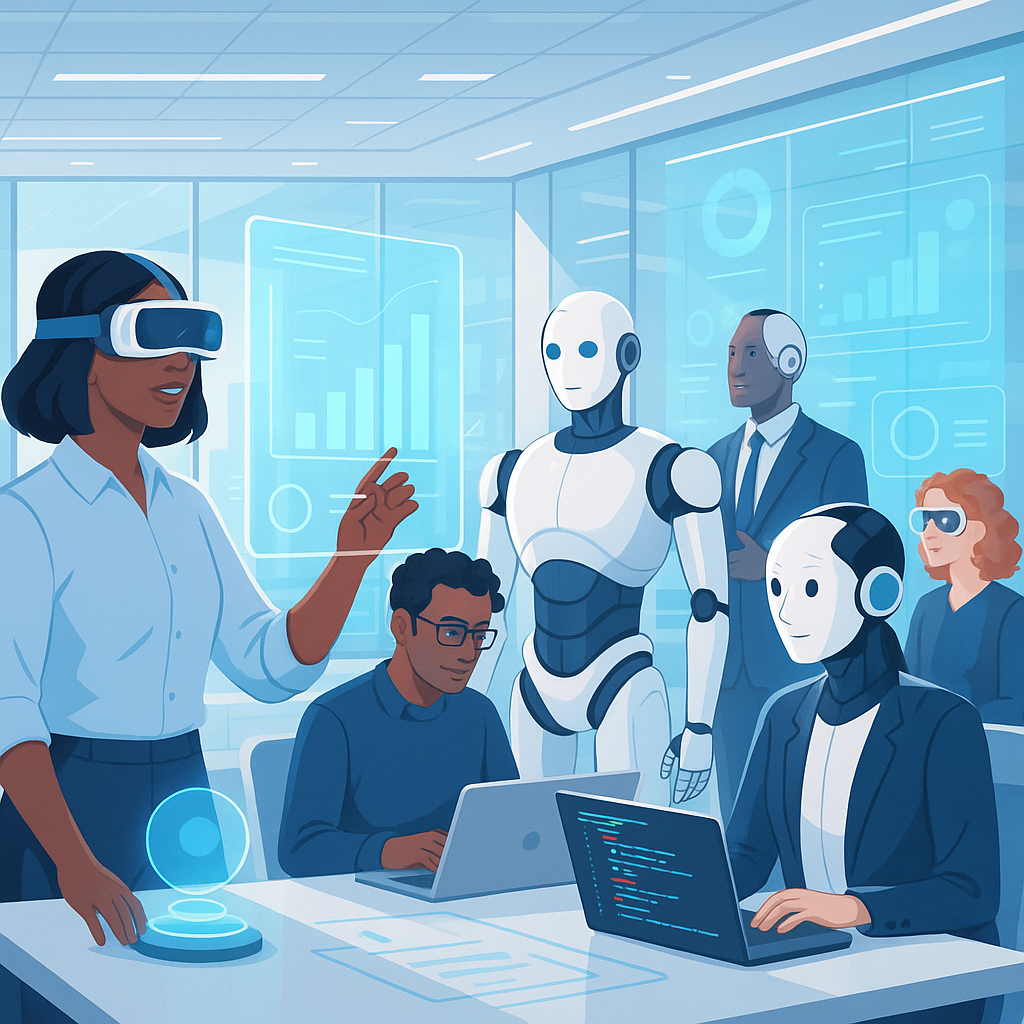
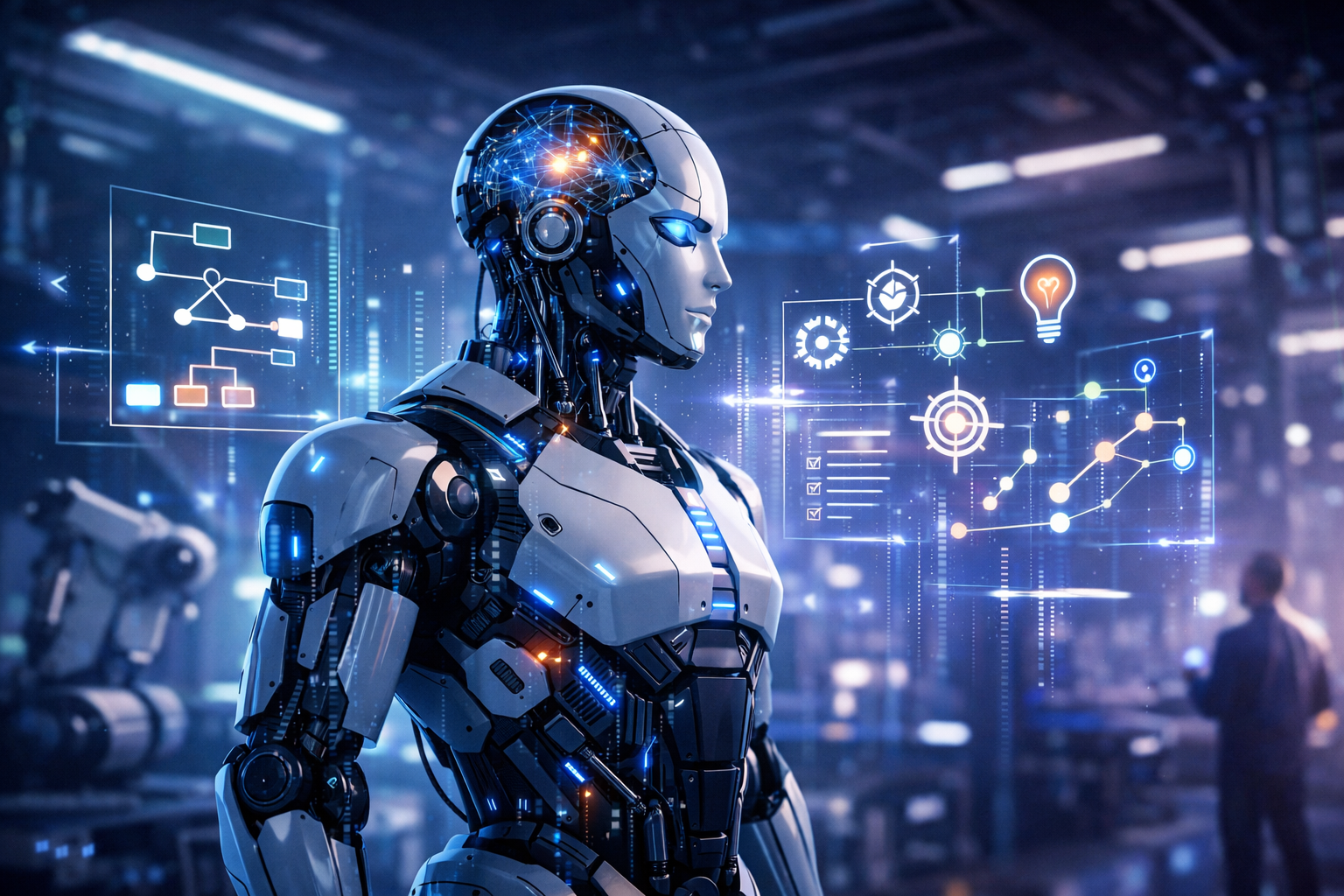
Tesla’s humanoid robot is called Optimus. Designed to look and move like a human, Optimus is built to handle physical tasks that are repetitive, demanding, or dangerous for people.
- It can walk, pick up objects, and perform basic physical tasks.
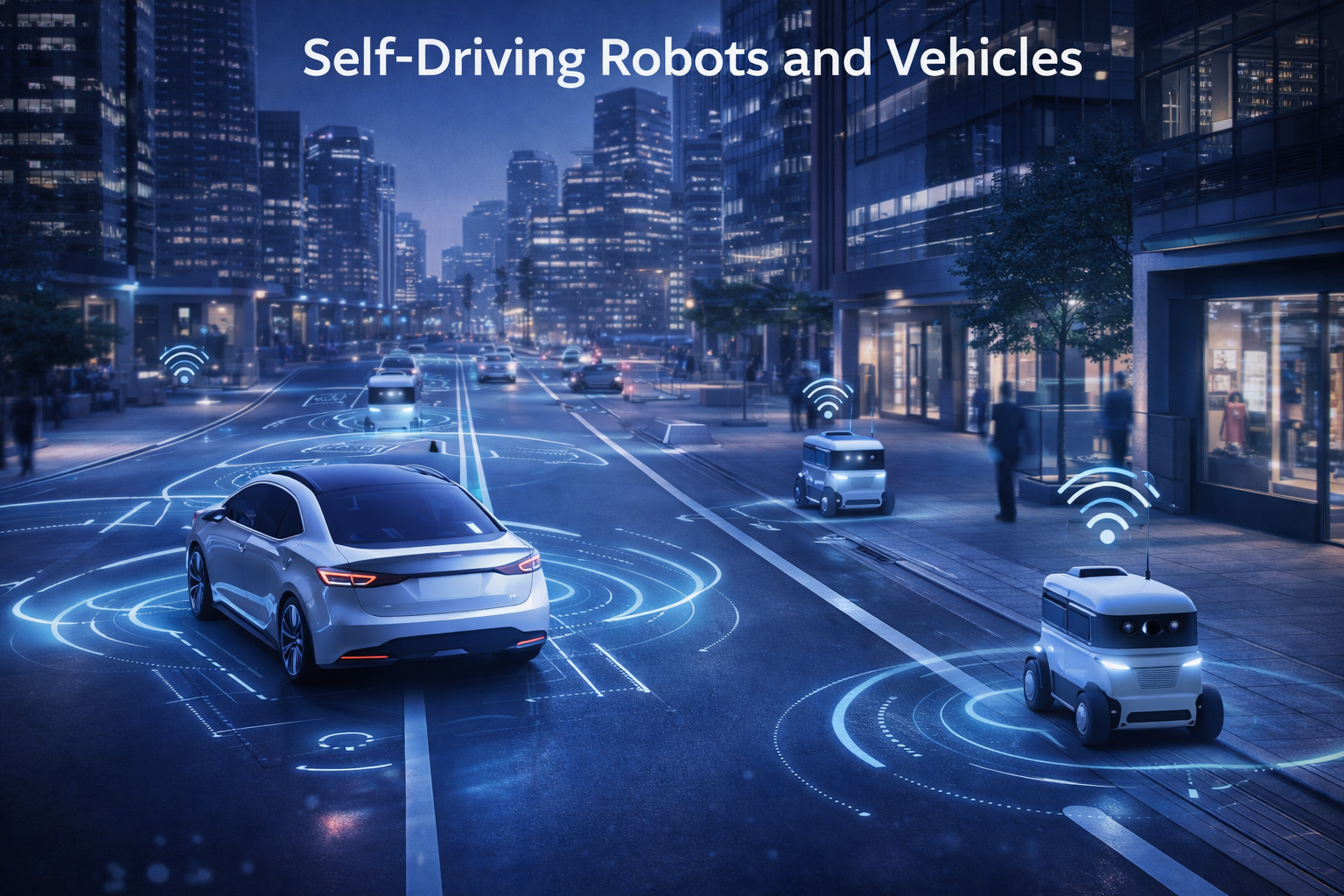
- It uses Tesla’s existing self-driving technology and AI systems to learn and improve over time.
- The robot is being trained inside Tesla’s own factories before being deployed elsewhere.
The long-term goal is to create a robot capable of working in factories, warehouses, and eventually homes. Elon Musk has stated that production could eventually reach millions of units, potentially priced lower than a car.
Why Tesla Is Shifting Focus Toward Robotics
Tesla’s move into humanoid robotics is not random. Several strong business and technological reasons are driving this shift.
- Massive market potential: The global robotics industry is expected to be worth hundreds of billions of dollars in the near future. Musk believes robots will eventually surpass cars in economic value.
- Solving worker shortages: Many industries struggle to fill repetitive or physically demanding roles. Humanoid robots like Optimus could step in where human workers are hard to find.
- Built-in technology advantage: Tesla already has strong capabilities in AI, battery technology, and hardware manufacturing. These give the company a head start in building robots at scale.
- New revenue model: Instead of just selling robots, Tesla could offer them through a Robotics-as-a-Service (RaaS) model, similar to software subscriptions, creating steady recurring income.
How Tesla Optimus Compares to the Competition
Tesla is not the only company working on humanoid robots. Here is a quick look at how Optimus stacks up against other known players in the space.
| Company | Robot Name | Key Strength |
|---|---|---|
| Tesla | Optimus | AI integration, large-scale manufacturing |
| Boston Dynamics | Atlas | Advanced mobility and balance |
| Agility Robotics | Digit | Warehouse and logistics use |
| Figure AI | Figure 01 | General-purpose humanoid design |
Challenges Tesla Must Overcome
Despite the progress made so far, significant hurdles remain before humanoid robots become a common sight.
- Technical limitations: Robots still struggle with balance, fine motor skills, and adapting to unpredictable environments.
- Safety standards: Working alongside humans requires strict safety protocols and regulatory approvals.
- Public acceptance: Many people are not yet comfortable with the idea of robots in their homes or workplaces.
- Affordability: For widespread adoption, robots need to be priced within reach of businesses and eventually consumers.
How Humanoid Robots Could Change Everyday Life
If Tesla and other companies succeed in scaling humanoid robot production, the impact on daily life could be significant.
- Robots could handle routine household tasks like cleaning, carrying groceries, or organizing spaces.
- They could assist elderly or differently-abled individuals with daily needs, reducing dependence on caregivers.
- In factories and warehouses, robots could speed up operations and lower costs.
- By taking over repetitive work, robots could free humans to focus on creative, strategic, and meaningful roles.
Tesla’s push into humanoid robotics represents one of the most ambitious bets in modern technology. Optimus is still in its early stages, but the foundation Tesla has built through years of work in AI and hardware gives it a credible shot at making this vision real. Whether robots truly surpass cars as Tesla’s core business remains to be seen, but the direction is clear. The company is no longer just an electric vehicle maker — it is positioning itself as a robotics company with global ambitions.