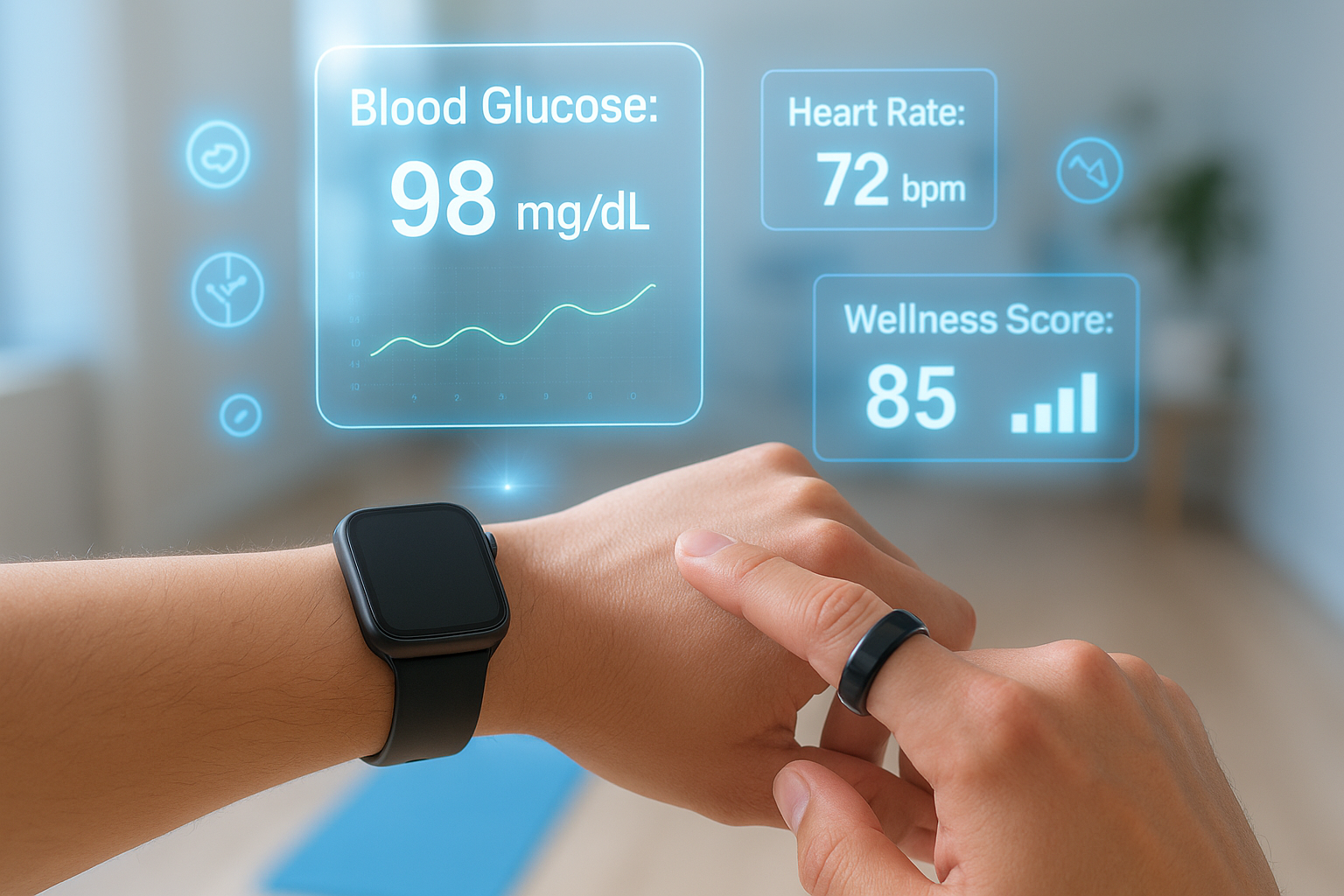

Smartwatches, fitness trackers, and smart rings have become a daily part of millions of lives. Brands like Apple Watch, Fitbit, Garmin, and Oura Ring promise better health through real-time data. But for many users, constant tracking is quietly creating stress, anxiety, and unhealthy obsessions — a growing problem experts now call wearable overload.
Why Health Wearables Have Become So Popular
The appeal of health wearables is easy to understand. They put powerful health data right on your wrist. You can track steps, monitor heart rate, check blood oxygen levels, and even get a nightly sleep score — all without visiting a doctor.
- People want real-time feedback on their health and fitness.
- Devices claim to improve fitness levels, enhance sleep quality, and flag potential health issues early.
- Popular brands like Apple Watch, Fitbit, Garmin, and Oura Ring sell millions of units every year across the globe.
- Wearables make health feel measurable, trackable, and controllable.
The idea is simple: if you can see the numbers, you can improve them. But when the numbers start controlling you instead of guiding you, things can go wrong fast.
The Hidden Psychological Effects of Constant Health Tracking
Fitness trackers are designed to motivate. But for a growing number of users, they are doing the opposite. Here are the most common psychological effects reported by people who over-rely on wearables:
- Number-induced worry: When your watch shows fewer steps than yesterday, it can trigger guilt or stress — even if you had a perfectly healthy and productive day.
- Sleep stress: Many people now lie awake worrying about getting a good sleep score. The irony is that obsessing over sleep tracking can actually make sleep worse.
- Goal fixation: Closing activity rings, earning badges, and hitting daily targets can become addictive. Some users push their bodies too hard just to see a number change on screen.
- Data misinterpretation: Wearables are not medical devices. A sudden spike in heart rate readings, for example, can cause unnecessary panic when it may simply be a sensor error.
- Missing out on real experiences: When you spend a morning walk staring at your tracker instead of enjoying the moment, the device is taking away more than it is giving.
Warning Signs That You Are Overdoing It
It is worth pausing and asking yourself whether your wearable is helping or harming your wellbeing. Watch out for these red flags:
- You check your device many times throughout the day, even when you do not need to.
- Missing a step or calorie target leaves you frustrated or guilty.
- You struggle to sleep because you are anxious about your sleep score.
- You trust your gadget more than you trust how your own body feels.
- You constantly compare your health data with other people’s numbers.
- You feel incomplete or anxious if you forget to wear your tracker.
If several of these sound familiar, it may be time to reassess your relationship with your wearable device.
How Wearable Overload Compares to Healthy Use
| Healthy Wearable Use | Wearable Overload |
|---|---|
| Checking data once or twice a day | Checking data every few minutes |
| Using trends to guide long-term habits | Reacting anxiously to every daily fluctuation |
| Treating the device as a helpful tool | Letting the device dictate your mood and decisions |
| Enjoying physical activity for its own sake | Only exercising to hit a number on screen |
| Taking breaks from tracking when needed | Feeling anxious without the tracker on |
Practical Tips for Using Fitness Trackers the Right Way
You do not have to give up your wearable to protect your mental health. Small changes in how you use it can make a big difference.
- Set realistic, achievable goals — avoid chasing numbers that do not reflect your actual lifestyle or health needs.
- Reduce notifications — too many alerts throughout the day can increase anxiety rather than motivation.
- Take regular breaks from tracking — going a few days without your device can help you reconnect with how your body actually feels.
- Remember it is not a doctor — wearables can offer useful guidance, but they cannot replace proper medical advice or diagnosis.
- Focus on long-term progress — a single bad day of data means very little. What matters is the overall trend over weeks and months.
- Stay present during activity — value the experience of moving your body, not just the data it produces.
Mental health professionals advise treating wearable devices as assistants, not authorities. If your tracker is causing anxiety, guilt, or obsessive behaviour, it is worth stepping back and reassessing how you use it. Technology is meant to support your life — not take it over.
Conclusion
Fitness trackers and smartwatches are powerful tools that can genuinely improve health awareness and daily habits. But like any tool, they need to be used with balance and awareness. When tracking becomes obsessive, it can harm your mental wellbeing far more than it benefits your physical health. The goal was always to feel better — and sometimes, that means putting the device down and simply living.