
Software development is moving faster than ever. From smarter coding tools to new ways of building and deploying apps, 2024 brings a wave of shifts that developers, businesses, and tech teams need to understand. Here is a clear look at the ten most important trends defining software development this year.
AI, Machine Learning, and the Future of Coding
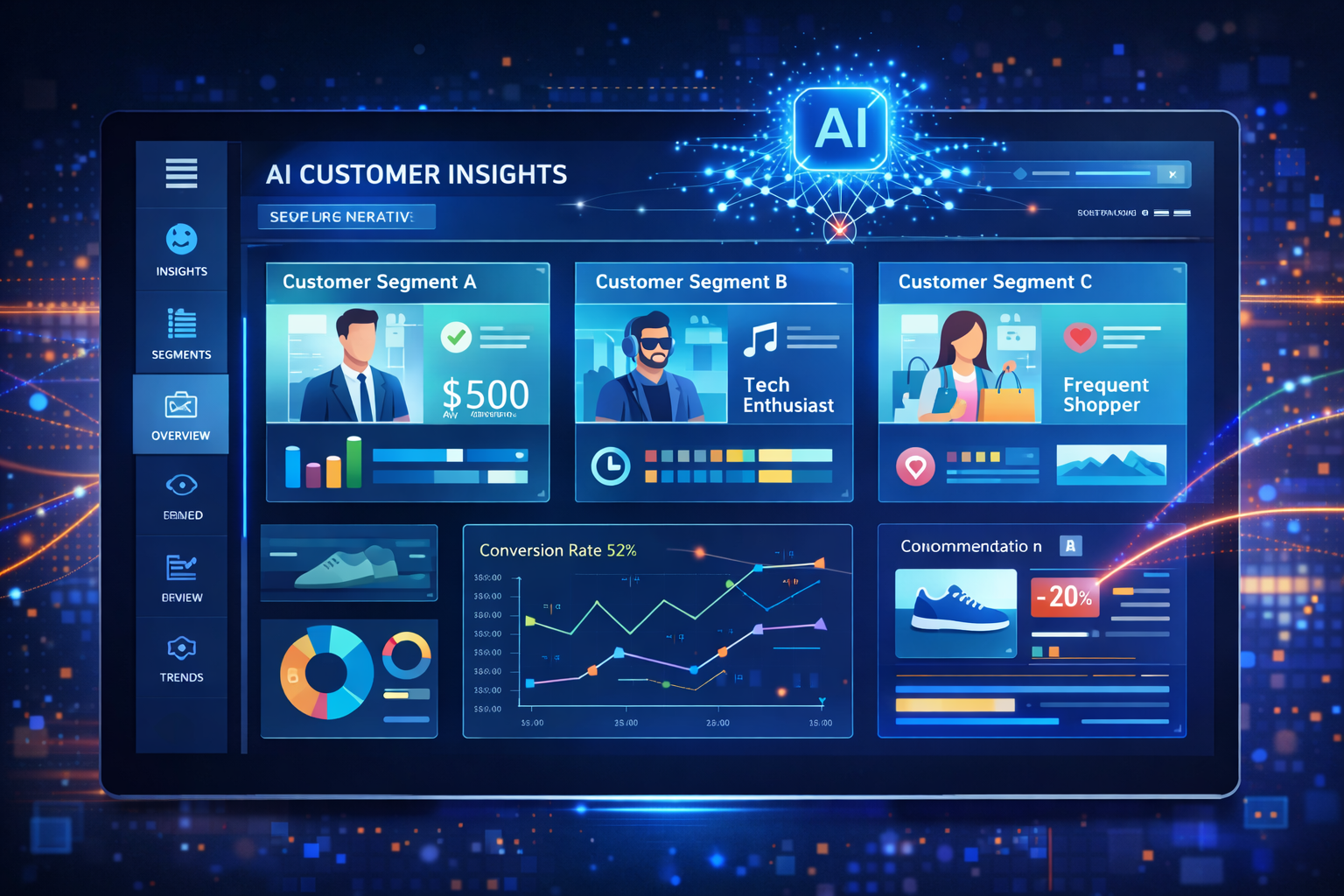
Artificial Intelligence and Machine Learning have moved from buzzwords to everyday tools in software development. Developers now use AI-powered assistants to write code faster, catch bugs early, and predict potential issues before they become problems.
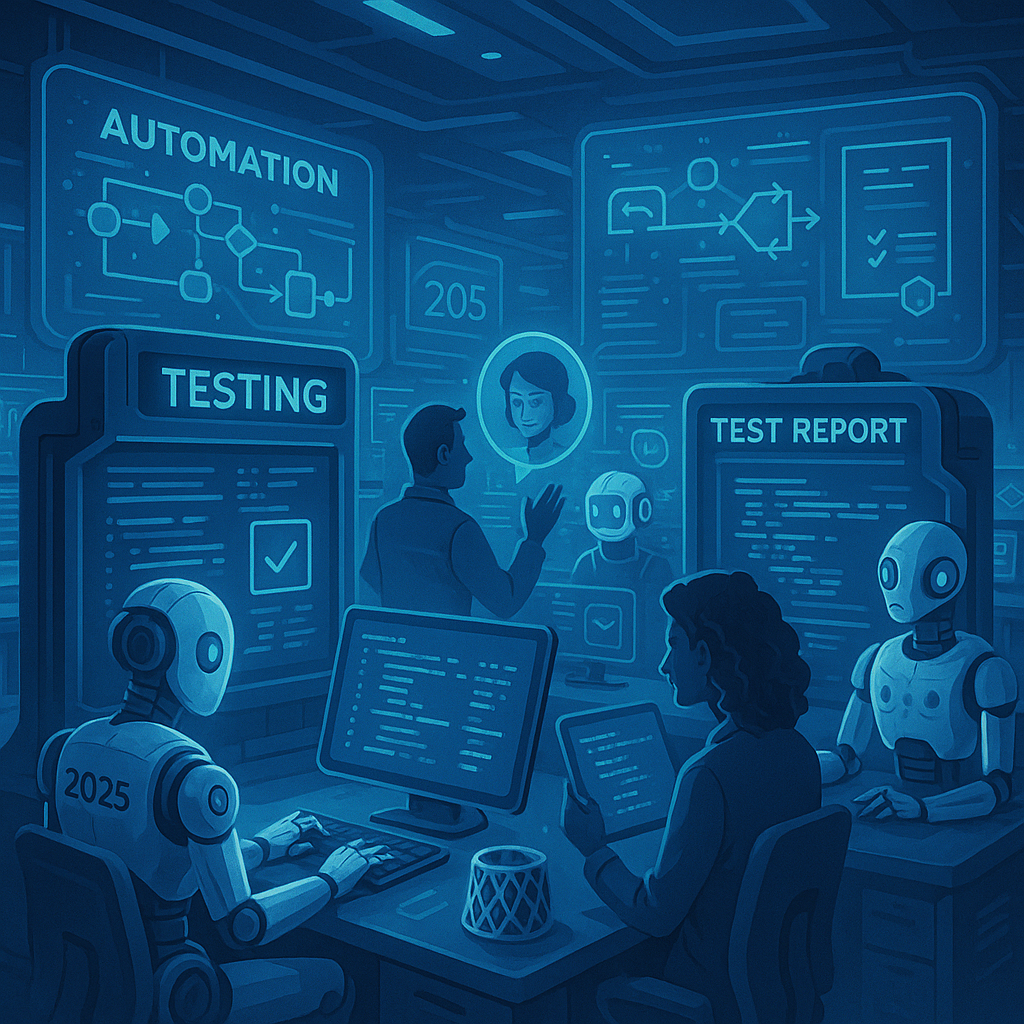
Automated testing tools powered by ML are also gaining ground, reducing the time teams spend on repetitive quality checks. As these tools mature, expect AI to handle more routine development tasks, freeing developers to focus on complex problem-solving and creative work.
Low-Code, No-Code, and the Democratisation of App Building
Not every business has a team of experienced developers. Low-code and no-code platforms are changing that. These platforms let people with little or no coding background build functional applications through visual interfaces and drag-and-drop tools.
Industries ranging from retail to healthcare are adopting these platforms to speed up internal tool development and reduce dependency on large engineering teams. In 2024, their use is expected to grow significantly as more businesses look for faster ways to test and launch digital solutions.
Cybersecurity, DevOps, and Cloud-Native Development
As cyber threats grow more sophisticated, security is no longer an afterthought. Developers are now embedding security practices directly into the software development lifecycle — a concept often called DevSecOps. This includes encryption, secure coding standards, and real-time threat monitoring built into every stage of development.
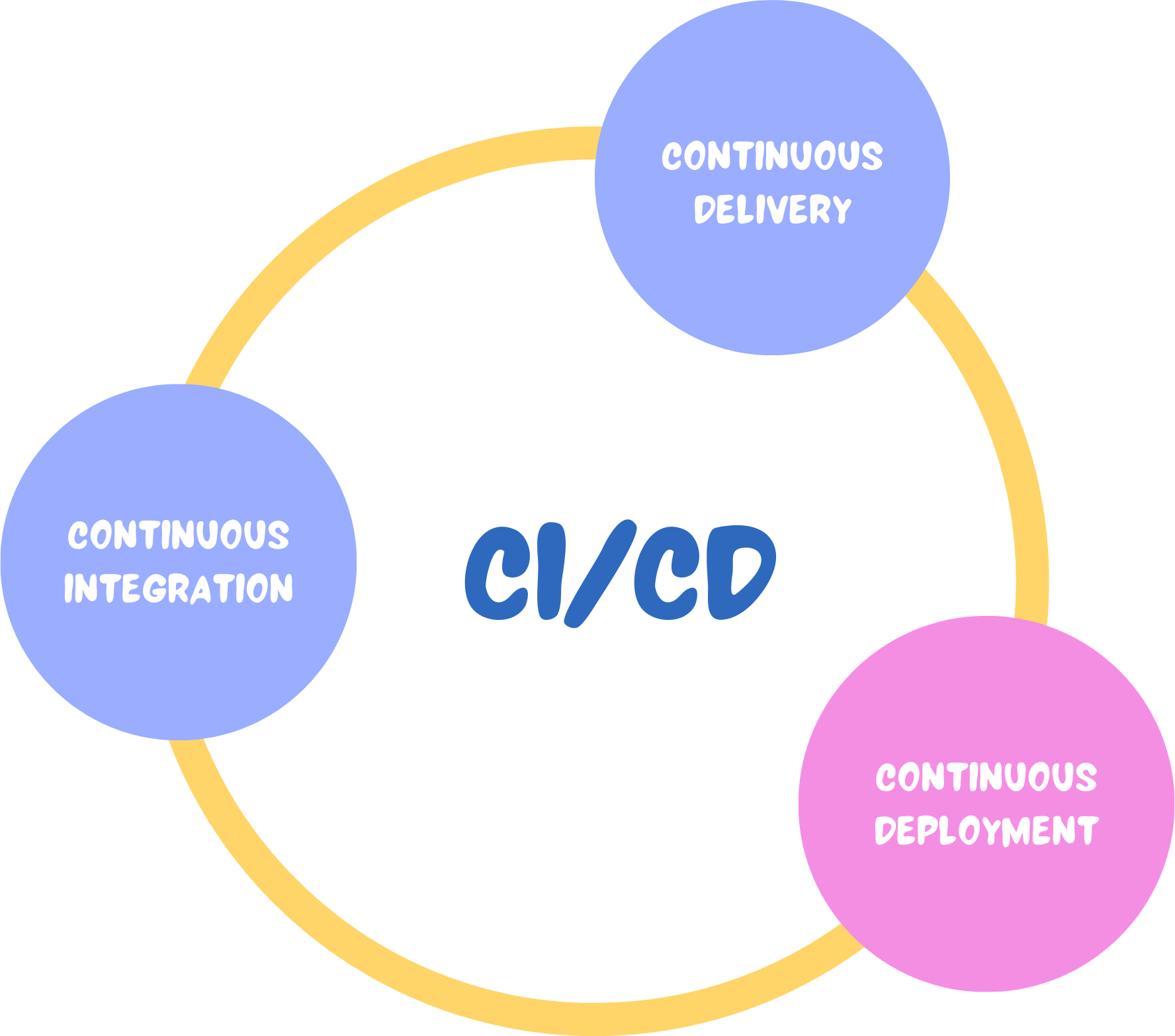
Alongside this, DevOps and CI/CD pipelines continue to gain traction. Continuous Integration and Continuous Deployment methods help teams collaborate better, release software faster, and reduce costly errors. Companies that adopt these practices consistently report smoother software rollouts and shorter time-to-market cycles.
Cloud-native development completes this trio of interconnected trends. Businesses are building applications specifically designed for cloud environments using microservices and containerisation. This approach improves scalability and helps organisations cut infrastructure costs while maintaining high performance.
| Trend | Primary Benefit | Key Technology |
|---|---|---|
| AI and ML | Faster coding and bug detection | AI coding assistants |
| Low-Code/No-Code | Accessible app development | Visual development platforms |
| Cybersecurity | Reduced data breaches | Encryption, secure coding |
| DevOps and CI/CD | Faster, reliable deployments | CI/CD pipelines |
| Cloud-Native | Scalability and cost savings | Microservices, containers |
Edge Computing, Blockchain, AR/VR, and UX Design
Edge computing is gaining wider adoption, especially in industries that rely on real-time data processing. By handling data closer to its source rather than sending it to a central server, edge computing reduces delays and improves performance for IoT devices and smart systems.
Blockchain technology is also expanding well beyond cryptocurrency. Finance, supply chain management, and healthcare sectors are using blockchain to secure data exchanges, verify identities, and build decentralised applications. Its ability to create transparent and tamper-resistant records makes it valuable across many industries.
User Experience design continues to be a priority. In 2024, companies are investing more in UX research to build interfaces that are intuitive, personalised, and accessible to a wider range of users. Good UX directly impacts user retention and satisfaction.
Augmented Reality and Virtual Reality are finding practical applications beyond gaming. Training simulations, remote collaboration tools, and immersive product experiences are just a few areas where AR and VR are making a real difference this year.
Quantum Computing: Early Days With Big Potential
Quantum computing is still in its early stages, but progress is accelerating. This technology has the potential to transform fields like cryptography, scientific modelling, and complex data analysis. While mainstream adoption is still some years away, developers and researchers are actively exploring its possibilities.
- Cryptography: Quantum computers could break current encryption methods, pushing the need for quantum-safe security standards.
- Scientific modelling: Simulating molecular structures for drug discovery or climate modelling could become far more accurate.
- Optimisation problems: Industries like logistics and finance could solve complex calculations much faster than with classical computers.
Keeping an eye on quantum computing developments now will help organisations prepare for a future where this technology becomes more accessible.
The software development landscape in 2024 is defined by speed, security, and accessibility. Whether it is AI tools helping developers write better code, low-code platforms putting app creation in the hands of non-developers, or blockchain securing sensitive data across industries, each of these trends reflects a broader shift toward smarter and more efficient software practices. Staying informed about these changes is essential for anyone working in or alongside the technology sector.