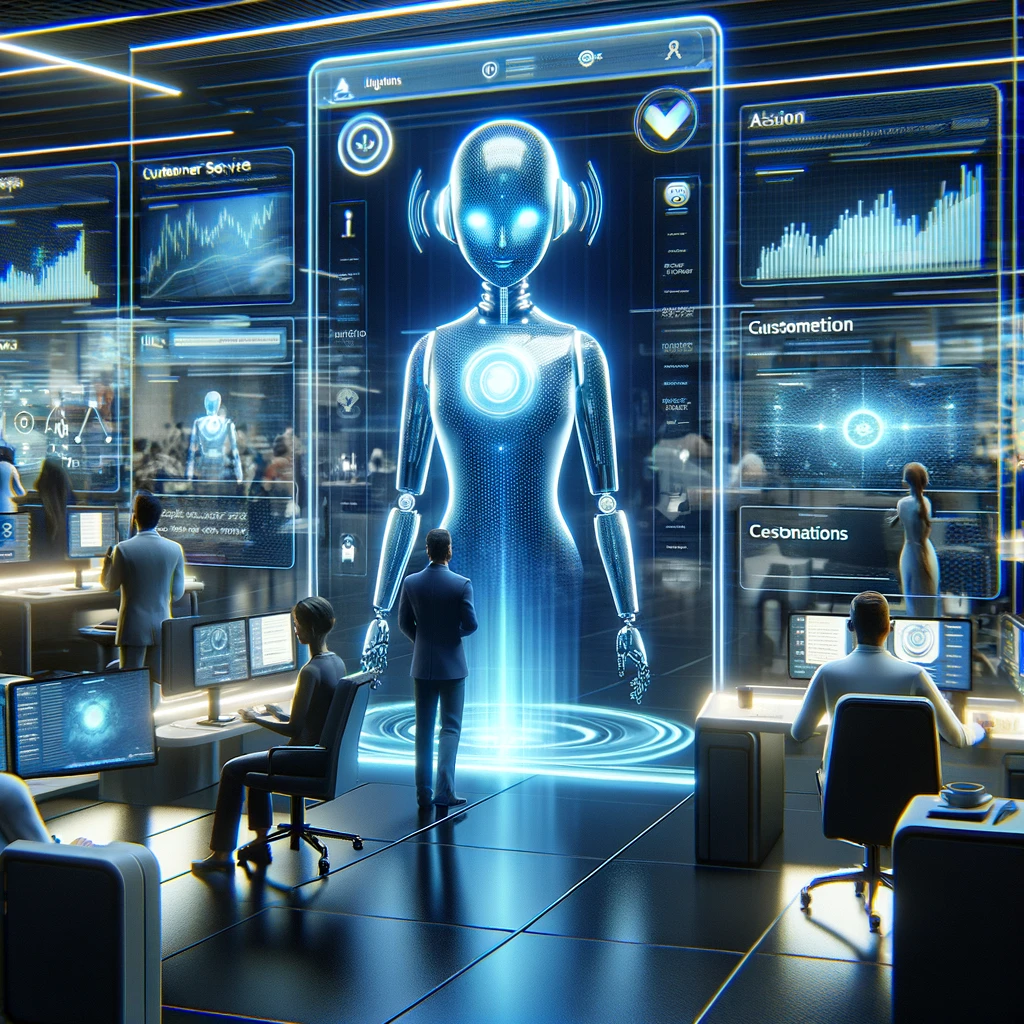
Customer service has changed dramatically over the past few years. One of the biggest drivers of this shift is the rise of AI-powered chatbots — smart digital assistants that can handle customer queries, solve problems, and even offer personalized help, all without human intervention. Whether you have interacted with a support bot on an e-commerce site or received an automated reply from your bank, you have already experienced this technology firsthand.
What Are AI Chatbots and How Do They Work?
AI chatbots are software programs that use artificial intelligence and Natural Language Processing (NLP) to understand and respond to human messages in a conversational way. Unlike older rule-based bots that could only answer a fixed set of questions, modern AI chatbots can handle complex conversations and improve over time.
Here is a simple look at the core technologies that power them:
- Natural Language Processing (NLP): Helps the chatbot understand what a person is saying, identify their intent, and generate a relevant response.
- Machine Learning (ML): Allows the chatbot to learn from past interactions, making its responses more accurate and natural with every conversation.
- Data Analysis: Enables the chatbot to use customer data to offer personalized suggestions and solutions tailored to individual needs.
When you type a question into a chatbot, it reads your message, figures out what you need, and delivers a response — often within seconds.
Key Benefits of AI Chatbots in Customer Service
Businesses across industries are adopting AI chatbots at a rapid pace. Here is why they have become such an important part of modern customer support:
- 24/7 Availability: Unlike human agents, chatbots do not need rest. They are available round the clock, ensuring customers always get help when they need it.
- Instant Responses: No one likes waiting on hold. Chatbots provide immediate answers, reducing wait times and improving customer satisfaction.
- Cost Efficiency: By handling routine queries and simple tasks, chatbots reduce the need for large customer support teams, helping companies save on operational costs.
- Handling Multiple Conversations: A single human agent can assist one customer at a time. A chatbot can simultaneously handle thousands of conversations without any drop in quality.
- Personalized Experience: By analysing customer data and past interactions, chatbots can offer tailored recommendations and solutions that feel relevant to each individual user.
Where AI Chatbots Are Being Used Today
AI chatbots are no longer limited to tech companies. They are now a standard tool across many sectors. Here is a quick comparison of how different industries are using them:
| Industry | How Chatbots Are Used |
|---|---|
| Retail and E-commerce | Product discovery, order tracking, and handling returns |
| Banking and Finance | Account queries, transaction support, and financial guidance |
| Healthcare | Appointment scheduling, symptom checking, and mental health support |
| Travel and Hospitality | Flight bookings, hotel check-ins, and real-time travel updates |
These use cases show how versatile AI chatbots have become. They are not just answering simple questions — they are actively helping businesses deliver better experiences to their customers.
Challenges That AI Chatbots Still Face
Despite their many strengths, AI chatbots are not without limitations. Businesses and developers continue to work on addressing these key challenges:
- Handling Complex or Vague Queries: Chatbots can sometimes struggle with ambiguous questions or requests that require nuanced understanding, leading to incorrect or unhelpful responses.
- Customer Trust: Many customers still prefer speaking with a real person, especially for sensitive issues like financial disputes or medical concerns.
- Need for Regular Updates: To stay accurate and relevant, chatbots require frequent maintenance, training, and updates — which demands ongoing investment from businesses.
What the Future Holds for AI Chatbots
The trajectory for AI chatbots is clearly upward. As the underlying technology matures, we can expect these systems to become far more capable. Some of the developments on the horizon include:
- More human-like conversations with better emotional understanding
- Deeper integration with voice assistants for a smoother, hands-free experience
- Advanced reasoning abilities to handle even the most complex customer service scenarios
As these improvements take shape, AI chatbots will likely become indistinguishable from human agents in many service contexts — making them an even more powerful tool for businesses of all sizes.
AI chatbots are no longer a futuristic concept. They are a practical, widely-used technology that is reshaping how companies interact with their customers every day. From retail to healthcare, their impact is real and growing. While challenges remain, the direction is clear — smarter, faster, and more human-like chatbots are on the way, and businesses that embrace them early will have a clear advantage in delivering superior customer experiences.