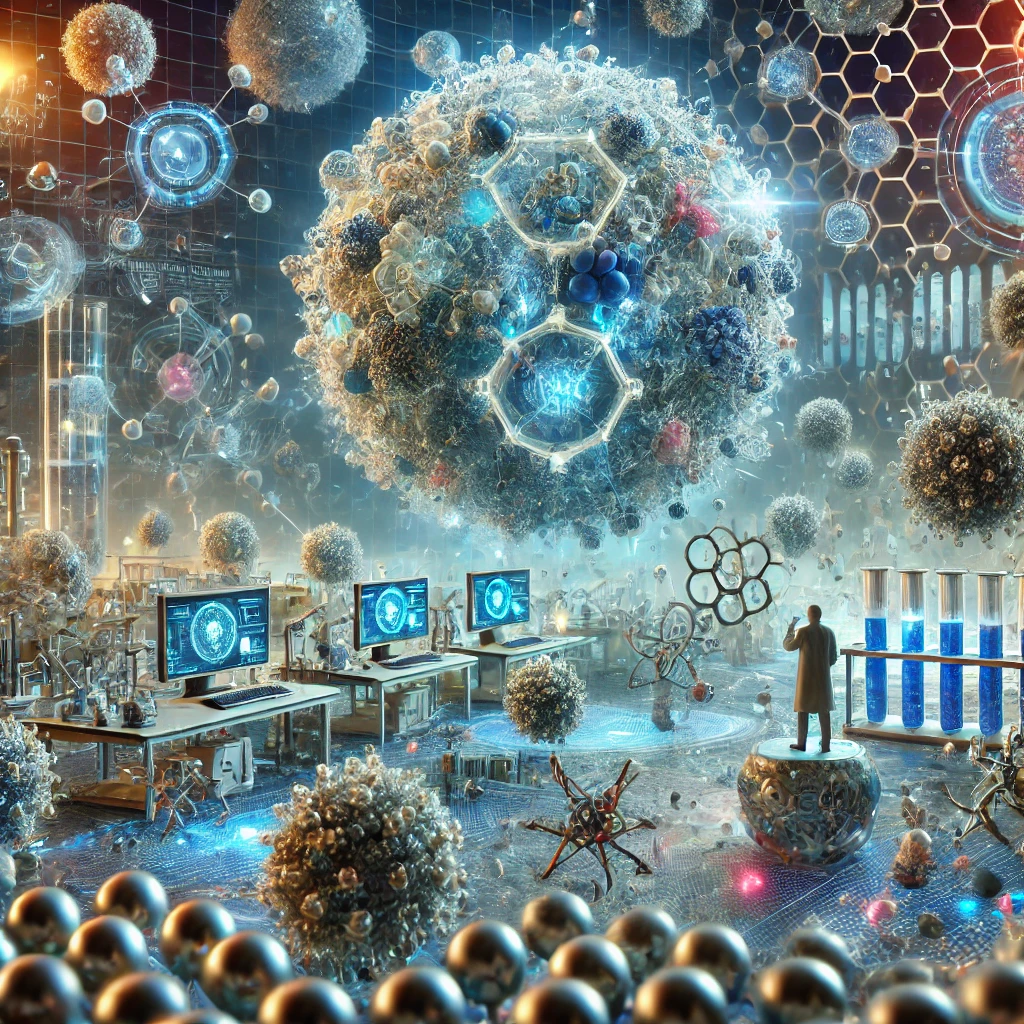
Nanotechnology is one of the most fascinating areas of modern science. It works at a scale so small that it is almost impossible to imagine — yet its impact on medicine, electronics, energy, and the environment is very real and growing fast. Here is a clear look at what nanotechnology is, how it works, and why it matters to everyday life.
What Is Nanotechnology?
Nanotechnology is the science of working with materials at an incredibly small scale — below 100 nanometers. To put that in perspective, a single nanometer is one billionth of a meter. A human hair is roughly 80,000 nanometers wide.
At this scale, materials often behave very differently from how they behave at a larger size. They can become stronger, lighter, or more chemically reactive due to changes in how their atoms and molecules are arranged. Scientists and engineers use these unique properties to design new materials and products with capabilities that were not possible before.
For example, nanoparticles — tiny particles engineered at the nanoscale — can make surfaces more durable, help medicines reach specific cells in the body, or improve the performance of electronic components.
How Nanotechnology Is Being Used Right Now
Nanotechnology is not just a future concept. It is already being applied across several major industries:
- Medicine and Healthcare: Nanoparticles can deliver drugs directly to diseased cells, such as cancer tumors. This targeted approach makes treatments more effective and significantly reduces side effects compared to traditional methods. Nanotechnology is also improving diagnostic tools and the development of prosthetic limbs.
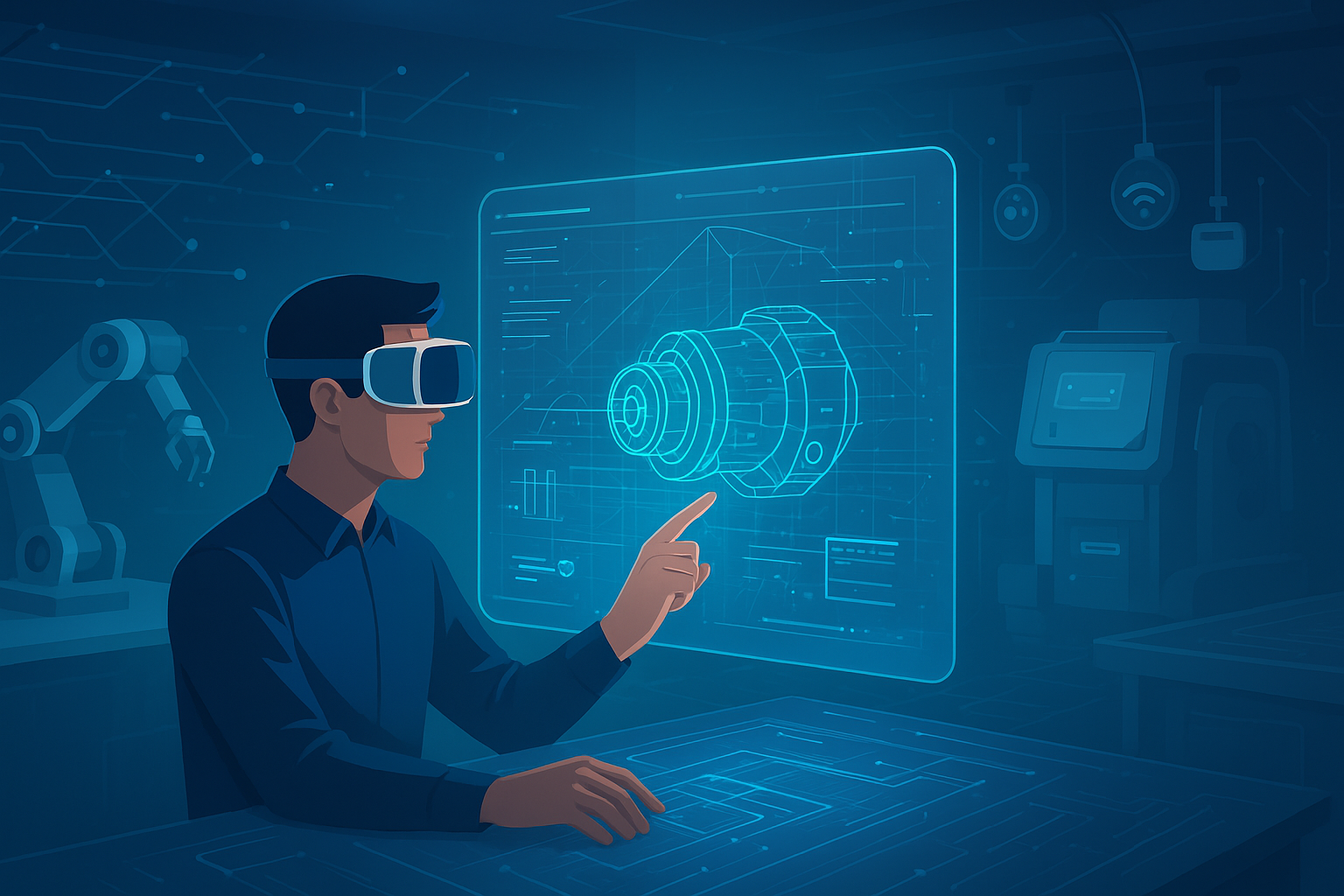
- Electronics: The push to make electronic devices smaller and more powerful relies heavily on nanotechnology. It enables the creation of faster processors, more efficient chips, and advanced components used in smartphones, computers, and other gadgets.
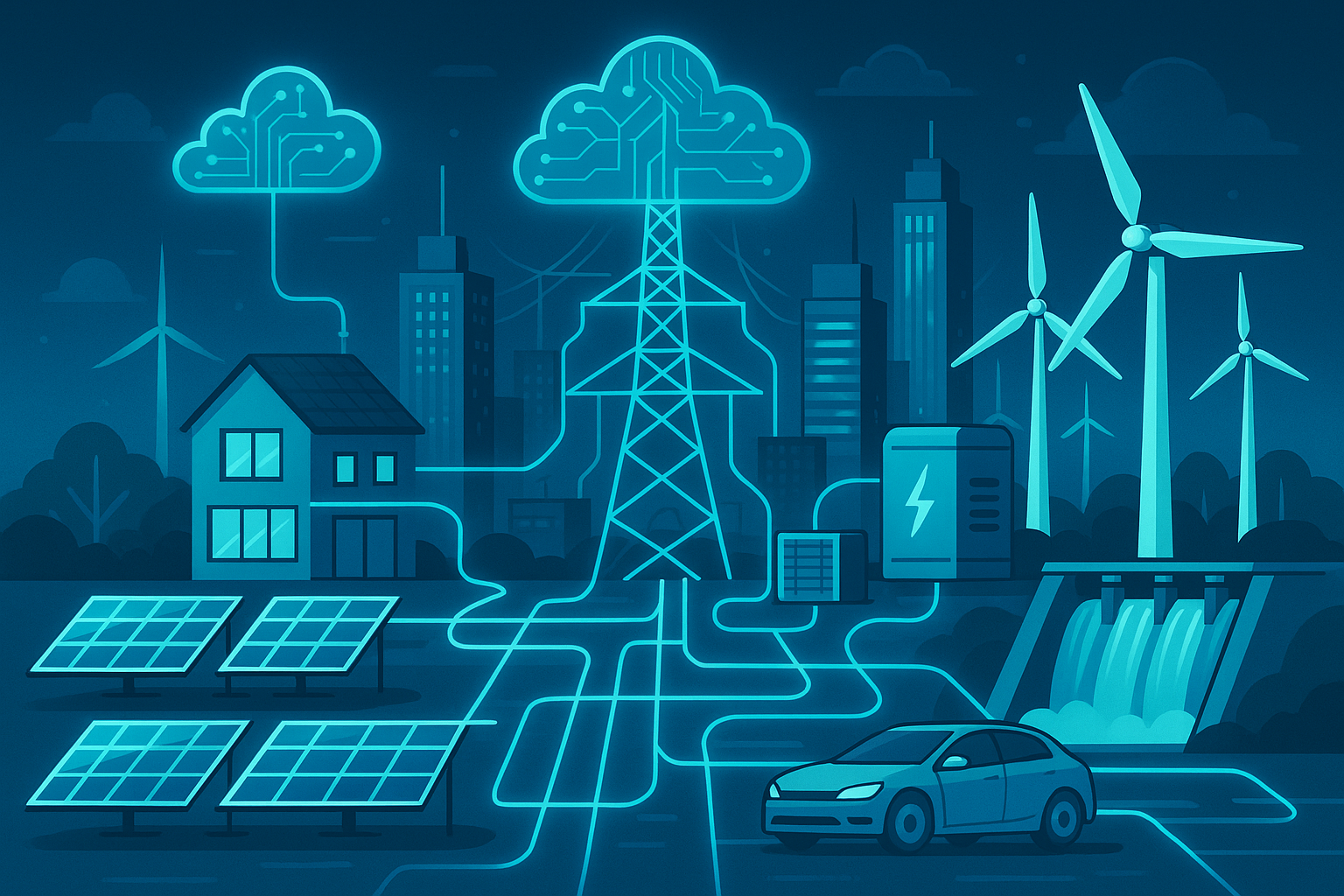
- Energy Sector: Nanotechnology is helping improve the efficiency of solar panels, extend the life of batteries, and develop better energy storage systems — all of which are critical for the shift toward clean and renewable energy.
- Environmental Solutions: Scientists are using nanoparticles to filter and clean contaminated water, purify air, and assist in cleaning up environmental disasters like oil spills.
- Advanced Materials: Nanotechnology allows engineers to create materials that are both lightweight and extremely strong. These materials are being used in the automotive and aerospace industries to build vehicles that are more fuel-efficient and longer-lasting.
| Industry | Nanotechnology Application | Key Benefit |
|---|---|---|
| Healthcare | Targeted drug delivery | Fewer side effects, better outcomes |
| Electronics | Miniaturised chips and processors | Faster, smaller, more powerful devices |
| Energy | Improved solar panels and batteries | Greater efficiency and longer life |
| Environment | Water and air purification | Cleaner ecosystems |
| Aerospace and Auto | Lightweight strong materials | Fuel efficiency and durability |
What the Future of Nanotechnology Could Look Like
Researchers are actively exploring some remarkable possibilities for the future of nanotechnology. One of the most talked-about concepts is the development of nanobots — microscopic robots small enough to operate inside the human body. These could potentially repair damaged tissues, target and destroy cancer cells, or deliver medicines with extreme precision.
Beyond medicine, nanotechnology is expected to play a significant role in advancing quantum computing, enabling faster data processing, and supporting high-precision manufacturing processes. As research progresses, the boundaries of what is possible continue to expand.
Challenges and Ethical Questions Around Nanotechnology
Despite its enormous promise, nanotechnology also raises important concerns that cannot be ignored.
- Health and Safety: The long-term effects of nanoparticles on the human body and the environment are still not fully understood. Ongoing research and clear regulatory frameworks are essential to ensure safe use.
- Environmental Impact: If nanoparticles enter ecosystems in uncontrolled ways, they could have unpredictable effects on plants, animals, and water sources.
- Privacy and Surveillance: As nanotechnology becomes more advanced, there are growing concerns about its potential misuse in surveillance systems or military applications.
- Ethical Governance: Policymakers, scientists, and ethicists need to work together to create guidelines that allow nanotechnology to be developed responsibly.
Addressing these challenges early is key to ensuring that the benefits of nanotechnology are realised safely and fairly for everyone.
Nanotechnology represents one of the most promising scientific frontiers of our time. From improving cancer treatments to making cleaner energy more accessible, its applications are wide-ranging and deeply relevant to human progress. As research deepens and regulations catch up, nanotechnology is set to become an even more integral part of how we live, work, and solve global challenges.