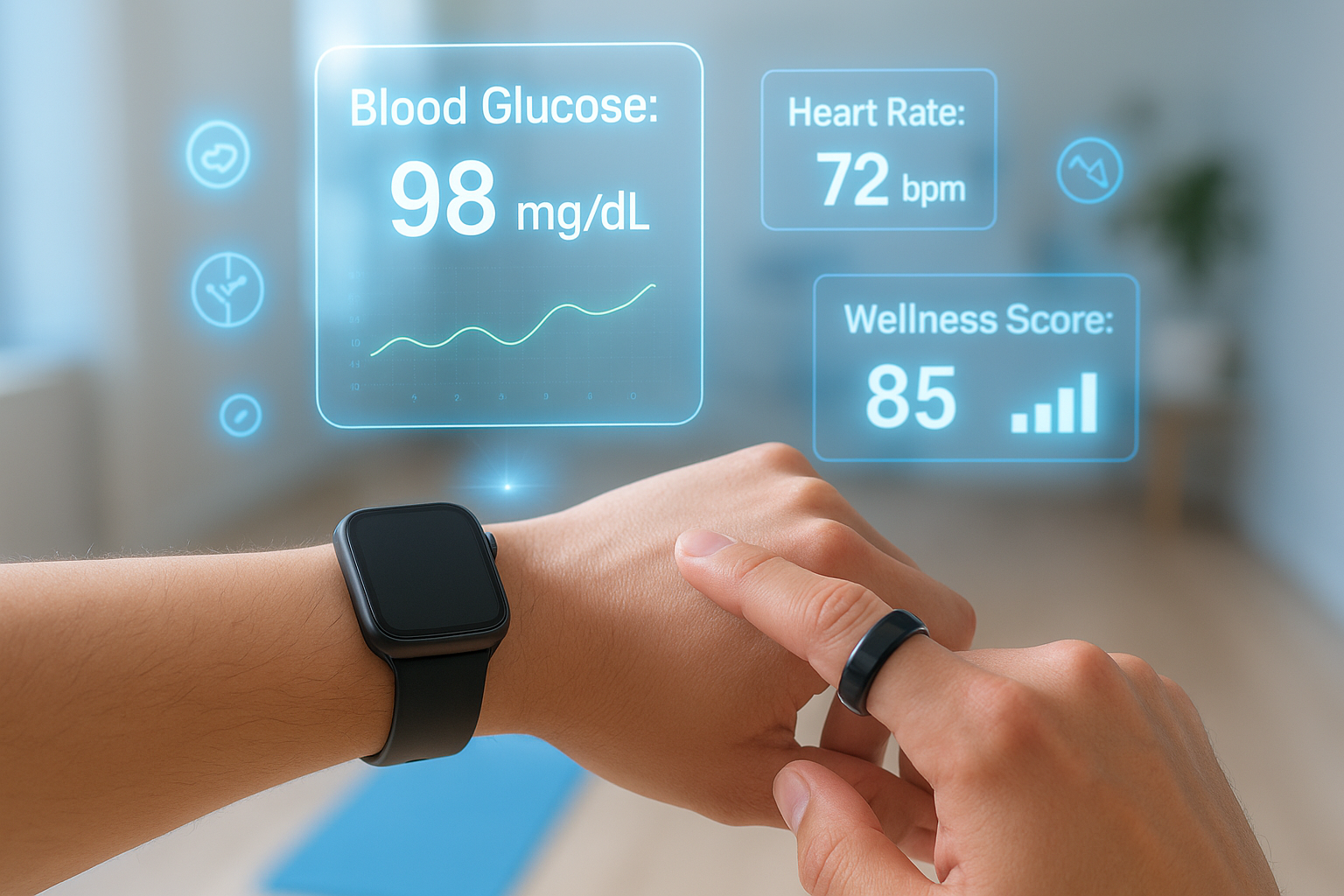
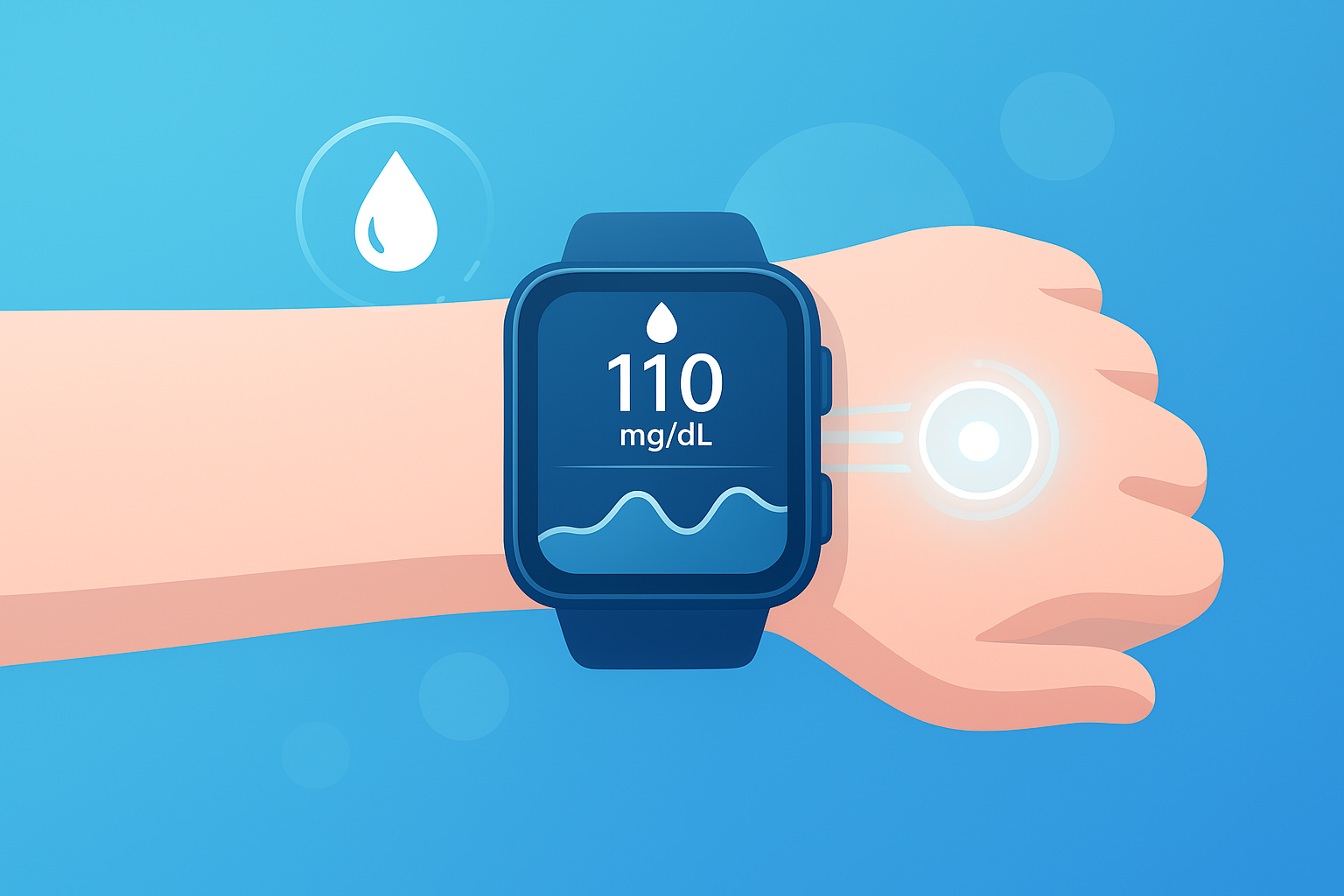
Smartwatches have come a long way in health tracking — from counting steps to measuring heart rate and sleep quality. Now, some models claim to estimate blood sugar levels without a single needle prick. It sounds like a major leap forward, especially for people managing diabetes or those who want to keep a closer eye on their health. But how accurate is smartwatch blood sugar monitoring really? Here is what you need to know before relying on your wrist for glucose data.
How Smartwatches Attempt to Measure Blood Sugar
Unlike traditional glucometers or Continuous Glucose Monitors (CGMs), smartwatches do not collect actual blood samples. Instead, they rely on non-invasive sensor technology built into the watch body. These sensors scan the skin using methods such as:
- Light-based (photoplethysmography) technology — uses light to detect changes beneath the skin surface
- Infrared signals — penetrate the skin to pick up glucose-related changes in tissue
- Sweat and skin analysis — some sensors analyse sweat composition to estimate glucose levels
The watch then processes these signals and produces an estimated glucose reading. The key word here is estimated. These readings are not the same as a direct blood measurement, and that distinction matters greatly when it comes to health decisions.
Why Smartwatch Glucose Readings Are Not Fully Reliable
Even the most advanced smartwatches currently available cannot match the precision of medical-grade devices like finger-prick glucometers or CGMs. Several external factors can interfere with sensor accuracy, including:
- Body temperature — heat or cold can alter how sensors read skin signals
- Skin type and tone — different skin characteristics affect how light and infrared signals behave
- Sweat and hydration levels — excess moisture or dehydration can skew readings
- Physical movement — motion during exercise or daily activity can disrupt sensor contact
- Ambient lighting — external light sources can interfere with optical sensors
Because of these variables, smartwatch glucose estimates can sometimes read higher or lower than your actual blood sugar level. For someone managing a medical condition, even a small inaccuracy can have serious consequences.
Are Smartwatches Useful for People with Diabetes?
At present, smartwatch blood sugar tracking is not considered reliable enough for diabetes management. Medical professionals and health regulators have not approved current smartwatch glucose features as substitutes for clinical devices. They should never be used to make decisions about insulin doses or medication adjustments.
That said, smartwatches can still offer value for general wellness awareness. They can help you observe how your body responds to everyday habits such as:
- Different types of food and meal timings
- Physical exercise and activity levels
- Sleep quality and duration
- Stress and rest patterns
Think of these readings as general trend indicators rather than precise medical data. They can encourage healthier habits, but they are not a substitute for proper medical monitoring.
Tech Giants Racing to Improve Non-Invasive Glucose Tracking
Several major technology companies are actively investing in research to develop more accurate, needle-free glucose monitoring for wearables. The brands currently working on this include:
- Apple — reportedly working on non-invasive glucose sensors for future Apple Watch models
- Samsung — exploring advanced biosensor integration in Galaxy Watch devices
- Fitbit (owned by Google) — researching health sensor improvements
- Google — investing in health-focused wearable technology
- Amazfit — developing health monitoring features for its smartwatch lineup
- Ultrahuman — focused on metabolic health tracking through wearables
Despite significant investment and progress, none of these companies have yet released a smartwatch with clinically validated, medical-grade glucose monitoring. The technology is promising, but it is still in development.
Smartwatch vs Medical Glucose Monitoring: A Quick Comparison
| Feature | Smartwatch | Glucometer / CGM |
|---|---|---|
| Blood sample required | No | Yes (glucometer) / Sensor patch (CGM) |
| Accuracy level | Estimated / Low | High / Clinically validated |
| Suitable for diabetes management | No | Yes |
| Good for wellness trends | Yes | Yes |
| Approved by health regulators | No | Yes |
What the Future Holds for Wearable Glucose Monitoring
Experts believe that wearable glucose tracking will improve significantly over the next few years. With better sensor hardware and advanced data analysis, future smartwatches may be able to:
- Deliver real-time glucose readings with greater precision
- Support safe diabetes monitoring as a supplementary tool
- Reduce or even eliminate the need for painful finger-prick tests
However, reaching the accuracy levels required for medical approval is still a work in progress. Until that milestone is achieved, users should treat smartwatch glucose data as a wellness guide rather than a clinical measurement.
In summary, smartwatch blood sugar monitoring is a useful feature for lifestyle awareness and general health trends, but it is not yet ready for medical-grade use. If you have diabetes or need precise glucose data, always rely on a certified glucometer or CGM recommended by your doctor. Use your smartwatch as a supportive wellness tool — not a replacement for proper medical care.