Machine learning now shapes decisions that affect millions of people — from job recommendations and loan approvals to medical diagnoses and online shopping. When these systems are unfair or biased, the consequences can be serious. Building ethical, fair, and transparent ML models is no longer optional. It is a responsibility that developers, organizations, and policymakers must take seriously.
What Ethics in Machine Learning Really Means
Ethics in machine learning refers to the practice of designing and deploying AI systems that make responsible, fair, and transparent decisions. An ethical ML model does not discriminate against individuals or groups, respects user privacy, and operates in a way that can be understood and explained.
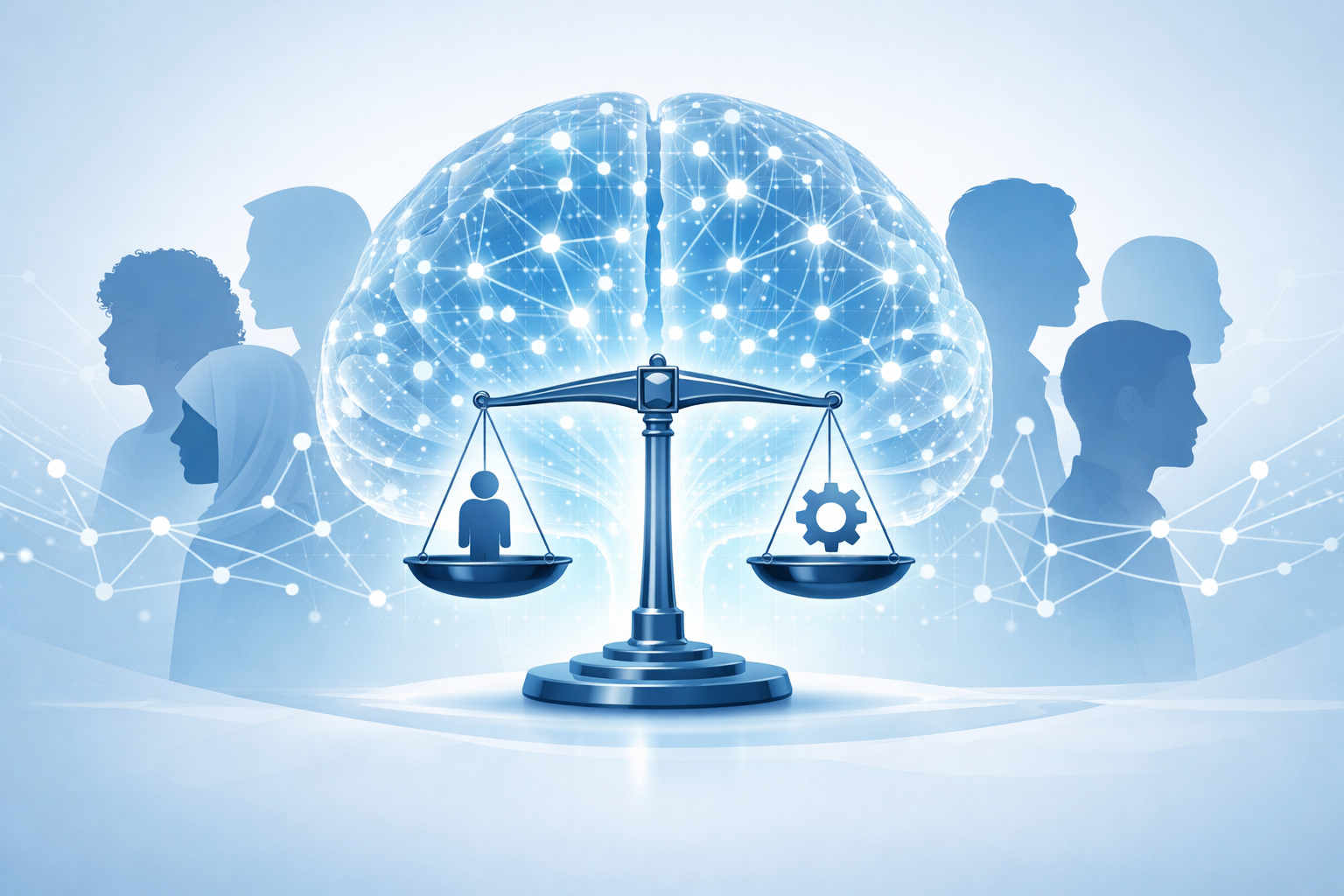
The core goal is simple: machines should support humans and improve lives — not cause harm or reinforce inequality. Ethical AI is built on three key pillars:
- Fairness — treating all users and groups equally
- Accountability — taking responsibility for model outcomes
- Transparency — making decisions explainable and understandable
Understanding Bias in Machine Learning and Where It Comes From
Bias in machine learning occurs when a model produces unfair outcomes for certain people or groups. In most cases, this happens without any deliberate intention. The model simply learns patterns from the data it is trained on — and if that data is flawed, the model will repeat those flaws.
Bias can enter the system at multiple points during development:
- Historical bias — training data that reflects past discrimination or inequality
- Underrepresentation — certain groups being poorly represented in the dataset
- Proxy variables — features that indirectly represent sensitive attributes like gender or race
- Human decisions — choices made by developers during model design that unintentionally introduce bias
For example, a hiring algorithm trained mostly on data from male candidates may consistently rank female applicants lower — not because of their qualifications, but because of patterns in the training data.
Why Ethical Machine Learning Matters for Businesses and Society
Ethical ML is not just a moral concern — it has real practical value for organizations and society at large.
| Benefit | Impact |
|---|---|
| User Trust | People accept and use AI systems they believe are fair |
| Legal Safety | Reduces risk of regulatory penalties and lawsuits |
| Brand Reputation | Protects organizations from public backlash |
| Better Performance | Fair models work accurately across a wider range of users |
| Social Good | Reduces inequality and supports inclusive outcomes |
Organizations that invest in responsible AI practices are better positioned for long-term success and public confidence.
Practical Steps to Build Fair and Bias-Free ML Models
Building ethical machine learning models requires action at every stage of development — from data collection to deployment and beyond.
1. Use Diverse and Balanced Data
Training data should represent people from different backgrounds, genders, age groups, and locations. Regular audits should check for underrepresented groups and correct imbalances before training begins.
2. Detect Bias Early
Testing models on different user groups during development helps identify unfair predictions before they cause harm. Fairness metrics should be measured alongside accuracy metrics.
3. Reduce Bias at Every Stage
Bias can be addressed before training by cleaning and balancing data, during training by using fairness-aware algorithms, and after training by reviewing and adjusting model outputs.
4. Avoid Using Sensitive Attributes
Features like gender, religion, race, or caste should not be used directly in model predictions. Even indirect variables that hint at these attributes must be handled with care and removed where possible.
5. Make Models Explainable
Explainable AI tools help users and organizations understand why a model made a specific decision. Transparency builds trust and makes it easier to spot errors or bias in the system.
6. Keep Humans in the Loop
For high-stakes decisions — such as hiring, loan approvals, or medical diagnosis — human review must always be part of the process. Machines should assist human judgment, not replace it entirely.
7. Monitor Models Continuously
A model that is fair today may become biased over time as data patterns and user behavior shift. Regular monitoring, retraining, and updates are essential to maintain fairness and accuracy long after deployment.
The Road Ahead: Responsible AI as a Standard Practice
Ethical machine learning is quickly becoming a baseline requirement for modern AI development. Governments and regulatory bodies around the world are beginning to introduce guidelines and laws that require fairness, transparency, and accountability in AI systems.
For developers and organizations, this means that responsible AI practices must be built into workflows from day one — not added as an afterthought. Diverse development teams, clear ethical guidelines, and regular bias audits are all part of building systems that work fairly for everyone.
The shift toward ethical ML is not just about avoiding harm. It is about building technology that genuinely serves all people — regardless of their background, identity, or location.
Building fair machine learning models is both a technical challenge and a social responsibility. Organizations that take this seriously will earn lasting trust and deliver better outcomes for users and society alike.