
Online shopping has grown at a rapid pace, and behind every fast delivery is a warehouse working at full speed. Smart warehousing, powered by robotics and automation, is now the backbone of modern e-commerce. From picking products off shelves to sorting packages for shipping, technology is making warehouses faster, smarter, and more reliable than ever before.
What Is Smart Warehousing?
Smart warehousing is a technology-driven approach to managing storage, inventory, and order fulfillment. Instead of relying entirely on manual labor, businesses use robots, automation software, and artificial intelligence to handle warehouse operations.
The goal is simple: process more orders in less time, with fewer errors. For e-commerce companies handling thousands of orders daily, this kind of efficiency is not just helpful — it is essential.
Smart warehouses connect physical operations with digital systems, giving businesses real-time visibility into stock levels, order status, and delivery timelines.
How Robotics Powers E-commerce Fulfillment
When a customer places an order online, a series of actions must happen quickly — locating the product, picking it from the shelf, packing it, and dispatching it for delivery. Robots handle much of this process with speed and precision.
Here is how robotics supports e-commerce operations:
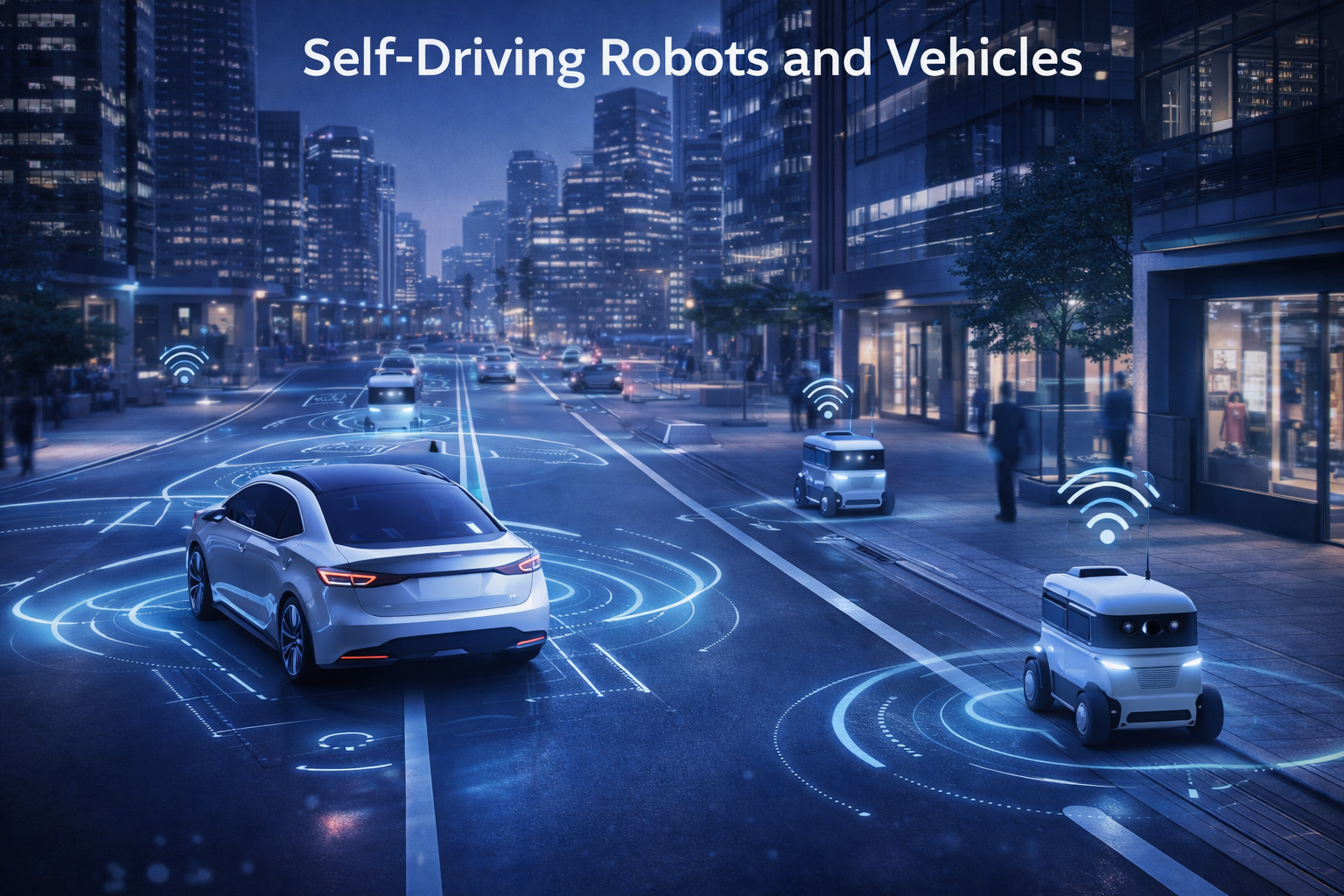
- Autonomous Mobile Robots (AMRs): These robots navigate warehouse floors independently using sensors and smart mapping. They avoid obstacles, choose the most efficient routes, and move goods from one area to another without human guidance.
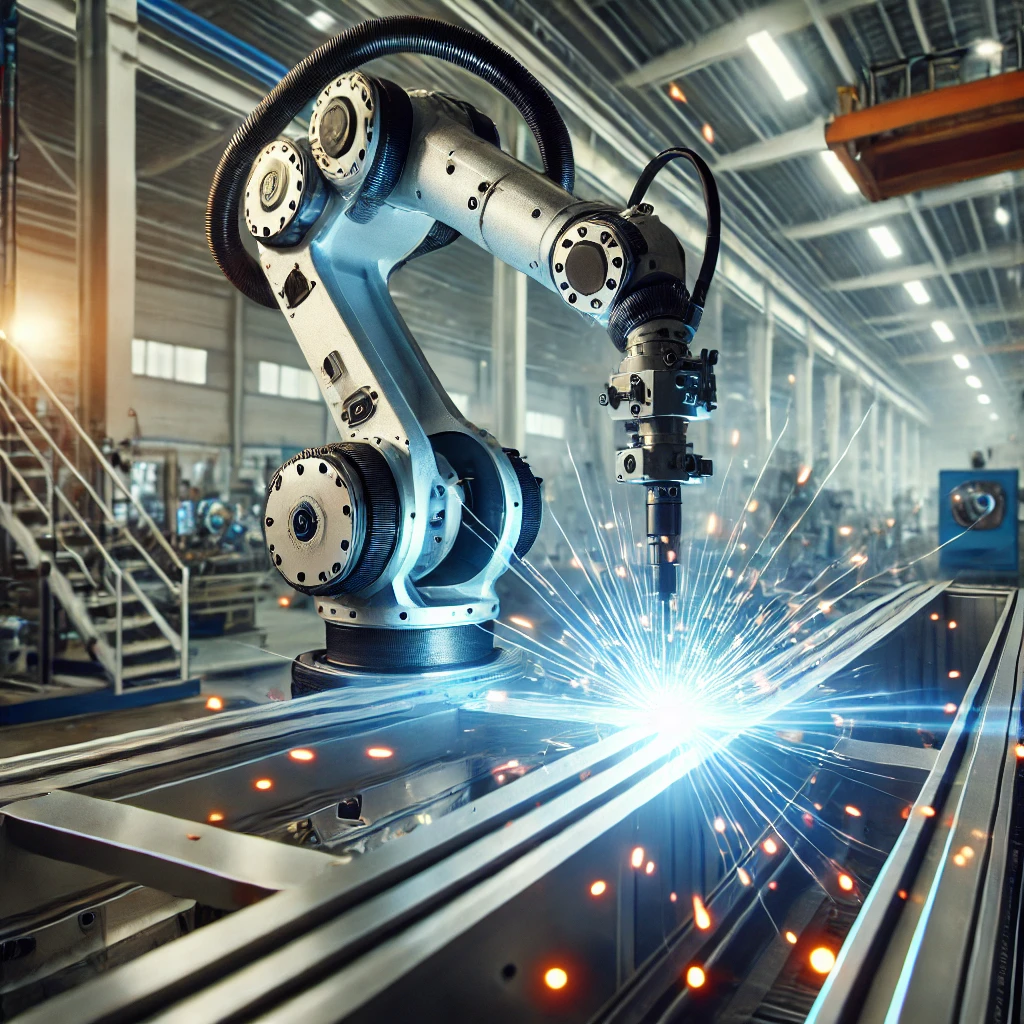
- Robotic Picking Systems: Robotic arms identify and pick individual products from shelves with high accuracy. They are especially effective for small, lightweight items that are common in e-commerce orders.
- Automated Sorting Systems: Once packed, parcels are automatically sorted by destination zone or delivery route, speeding up the dispatch process significantly.
- AI-Based Inventory Management: Artificial intelligence monitors stock levels continuously, predicts demand patterns, and triggers restocking before items run out.
Together, these technologies reduce the time between order placement and shipment, which directly improves the customer experience.
Key Benefits of Smart Warehousing for Businesses
Businesses that invest in warehouse automation gain several practical advantages:
- Faster Order Processing: Automated systems work around the clock without breaks, allowing companies to process and ship orders much faster than manual teams.
- Higher Accuracy: Robots follow precise instructions, which means fewer wrong items are packed and fewer returns are processed.
- Cost Savings Over Time: The initial investment in robotics is significant, but long-term savings on labor, error correction, and operational inefficiencies make it financially worthwhile.
- Scalability During Peak Seasons: During high-demand periods like festive sales or holiday seasons, automated warehouses can handle sudden spikes in order volume without hiring large numbers of temporary staff.
- Better Space Utilization: Robots can operate in tighter spaces and stack goods more efficiently than humans, making better use of available warehouse space.
Real-World Example: Amazon’s Warehouse Robotics
Amazon is one of the most well-known examples of smart warehousing in action. The company uses thousands of robots across its fulfillment centers worldwide to manage millions of products. These robots move shelving units directly to human workers, reducing the time workers spend walking across large warehouse floors.
This system has helped Amazon offer same-day and next-day delivery in many regions, setting a high benchmark for the entire e-commerce industry. Other companies, including large Indian e-commerce players, are now following a similar path to stay competitive.
Challenges Businesses Face When Adopting Warehouse Automation
Despite the clear benefits, smart warehousing comes with real challenges that businesses must plan for:
| Challenge | Details |
|---|---|
| High Setup Cost | Robotic systems and automation infrastructure require large upfront investment, which can be a barrier for small businesses. |
| Complex Integration | Connecting new robotic systems with existing warehouse management software takes time, technical expertise, and careful planning. |
| Ongoing Maintenance | Robots and automated systems need regular servicing, software updates, and technical support to remain operational. |
| Workforce Transition | Employees need to be retrained for new roles that focus on managing and maintaining automated systems rather than manual tasks. |
Businesses that plan carefully and phase their automation investments tend to manage these challenges more effectively than those who try to automate everything at once.
What the Future Holds for Smart Warehousing
The next generation of smart warehouses will be even more capable. Advances in AI will allow systems to make complex decisions independently — adjusting inventory, rerouting deliveries, and optimizing storage layouts without human input.
Faster robots, better computer vision, and improved machine learning models will make automated picking and packing even more accurate. As online shopping continues to grow in India and globally, more businesses across different sectors will adopt smart warehousing to meet rising customer expectations.
Startups and mid-sized companies are also beginning to access warehouse automation through third-party logistics providers and robotics-as-a-service models, making this technology more accessible than before.
Smart warehousing is no longer a luxury reserved for large corporations. It is becoming a practical necessity for any business that wants to compete in the fast-moving world of e-commerce.