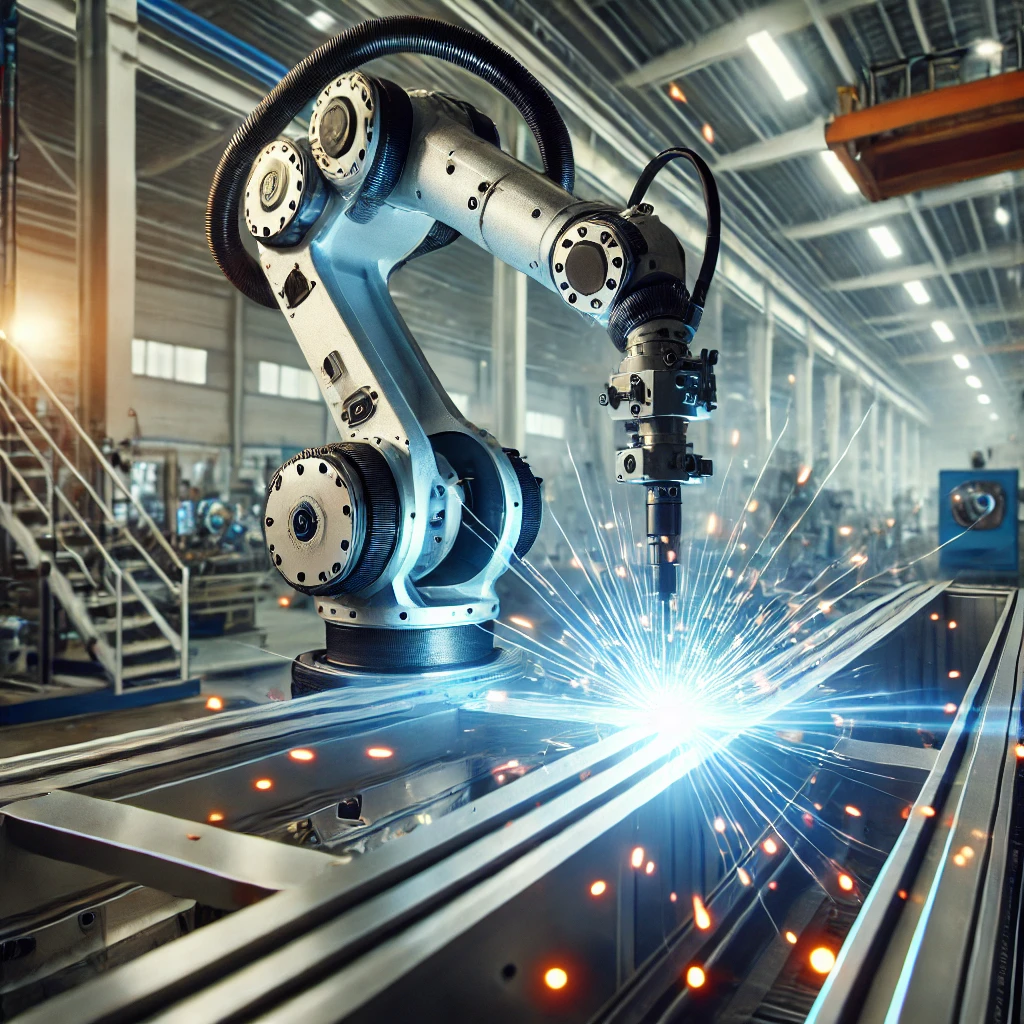

Automation is no longer just for large corporations with deep pockets. A growing business model called Robots-as-a-Service (RaaS) is making robotic technology accessible to companies of all sizes — from small startups to mid-sized manufacturers — by replacing heavy upfront costs with simple, predictable subscription fees.
What Is Robots-as-a-Service (RaaS)?
Robots-as-a-Service is a subscription-based model that allows businesses to use robotic systems without purchasing them outright. Instead of spending large amounts of capital on buying and maintaining robots, companies pay a monthly or annual fee to a robotics provider.
The provider handles everything beyond the day-to-day operation — including installation, software updates, repairs, and technical support. This means businesses can focus entirely on their core work while the provider keeps the robotic systems running at full capacity.
Think of it like subscribing to a cloud software platform, except instead of digital tools, you get physical robots integrated directly into your operations.
How the RaaS Model Works in Practice
The process of adopting RaaS is straightforward for most businesses:
- A company identifies its automation needs and selects a suitable robotics provider.
- The provider assesses the workflow and installs the appropriate robotic systems on-site.
- Robots are integrated into existing operations with minimal disruption.
- The business pays a regular subscription fee for continued access and support.
- The provider manages all maintenance, upgrades, and troubleshooting remotely or on-site.
This approach significantly lowers the technical burden on businesses, especially those without dedicated robotics or engineering teams. It also means companies always have access to the latest robotic technology without needing to invest in new hardware every few years.
Key Advantages of Choosing RaaS Over Traditional Robot Ownership
The shift toward subscription-based robotics is driven by several practical benefits that traditional ownership simply cannot match:
| Factor | Traditional Robot Purchase | Robots-as-a-Service (RaaS) |
|---|---|---|
| Initial Cost | Very high upfront investment | Low — paid as a subscription |
| Maintenance | Company’s responsibility | Handled by the provider |
| Scalability | Difficult and expensive | Easy — add or reduce robots as needed |
| Technology Updates | Requires new purchase | Included in subscription |
| Speed of Deployment | Slow — procurement takes time | Fast — provider manages setup |
For small and medium businesses, the ability to scale up or down based on demand is particularly valuable. During peak seasons, a company can add more robots. During slower periods, it can reduce usage — something impossible with owned hardware.
Industries Already Benefiting from RaaS
Several sectors have already embraced the RaaS model and are seeing real gains in efficiency and productivity:
- Warehousing and Logistics: Robots sort, move, and track packages, speeding up order fulfilment and reducing human error in large distribution centres.
- Manufacturing: Robotic arms handle repetitive tasks like assembly, welding, painting, and packaging on factory floors, improving output consistency.
- Healthcare: Hospitals deploy robots to transport medicines and supplies, disinfect patient rooms, and assist medical staff with routine tasks.
- Retail and E-commerce: Automated systems manage inventory, handle packaging, and operate storage retrieval systems in fulfilment centres.
As adoption grows, more industries — including agriculture, construction, and food processing — are exploring how subscription-based robotics can fit into their operations.
What the Future Holds for Subscription-Based Robotics
The RaaS market is expected to grow significantly in the coming years. As robotic hardware becomes more sophisticated and software platforms become smarter, the value of subscribing to robotics rather than owning it will only increase.
Startups and small businesses that previously could not afford automation will find RaaS an attractive entry point. Larger enterprises will use it to test new automation strategies before committing to full-scale deployment.
The model also encourages robotics providers to continuously improve their technology, since their revenue depends on keeping clients satisfied with ongoing performance — not just a one-time sale.
With industries across India and globally pushing toward smart manufacturing and digital operations, RaaS is well-positioned to become a standard part of how businesses approach automation in the years ahead.
Robots-as-a-Service represents a practical shift in how automation is delivered and consumed. By removing the financial and technical barriers that once made robotics exclusive to large enterprises, RaaS opens the door for a much wider range of businesses to benefit from advanced automation. As the technology matures and more providers enter the market, subscription-based robotics is set to become a defining feature of modern industry.