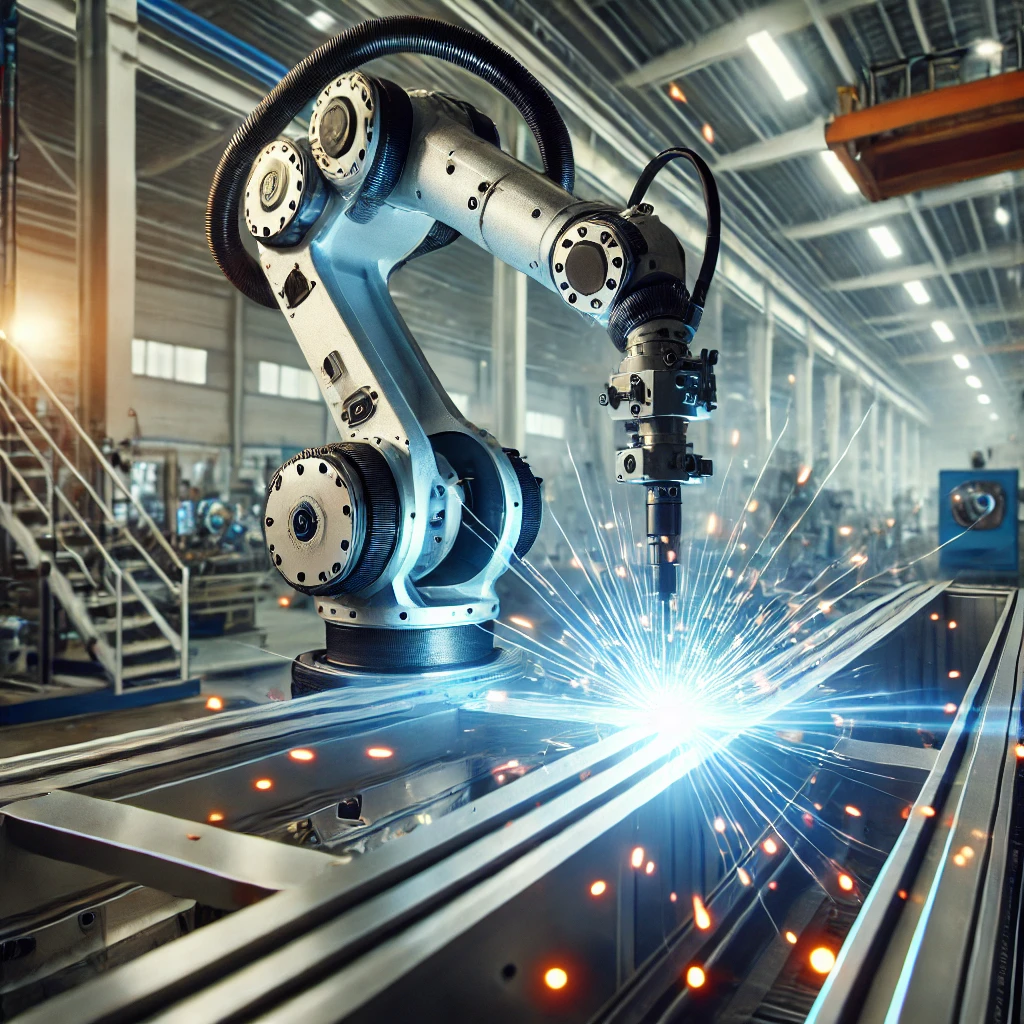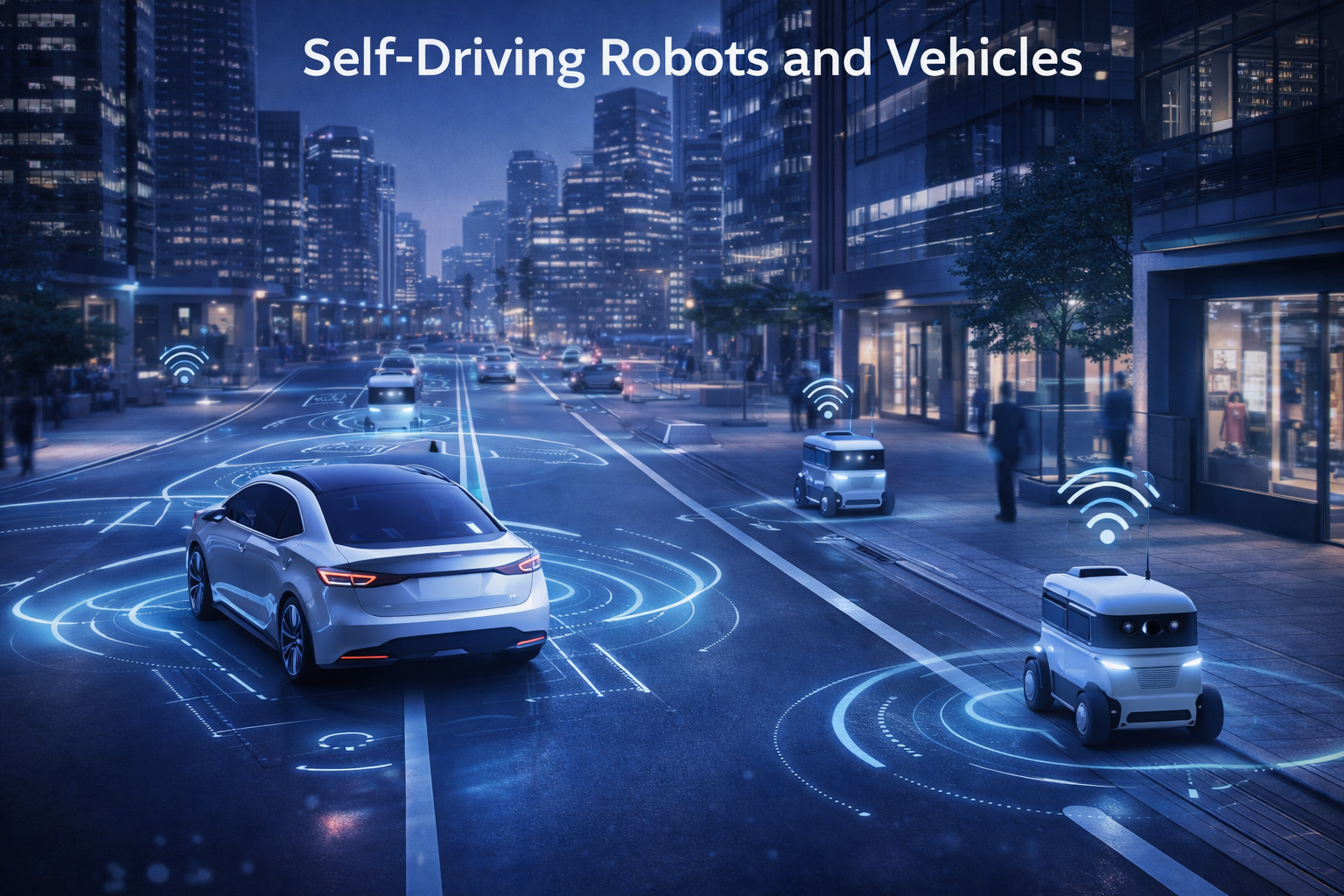

Robotics is no longer limited to car assembly lines or heavy manufacturing plants. From hospitals and farms to retail stores and construction sites, robots are now entering sectors that once seemed far removed from automation. This shift is reshaping how industries operate, how labor is managed, and how services are delivered to everyday people.
Why Robots Are Moving Beyond Traditional Industries
For decades, robotics was primarily the domain of large-scale manufacturing. But several key factors are now pushing robots into new and unexpected sectors.
- Smarter technology: Modern robots are equipped with AI and machine vision, allowing them to analyse their environment and make decisions independently. This makes them useful in sectors with variable, unpredictable tasks — such as healthcare, logistics, and construction.
- Lower costs: Collaborative robots, also known as cobots, and ready-to-deploy systems have made automation far more affordable. Small and medium-sized enterprises (SMEs) can now invest in robotic solutions without blocking large amounts of capital.
- Labor shortages: Sectors like healthcare, agriculture, retail, and warehousing are facing persistent worker shortages. Robots can take over repetitive, physically demanding tasks, easing the pressure on human workers.
- Demand for speed and safety: Robots reduce human error, speed up operations, and improve workplace safety — strong incentives for any business looking to stay competitive.
Industries Rapidly Adopting Robotics
Several non-traditional sectors are now actively deploying robots at scale. Here is a look at where the biggest changes are happening:
| Industry | Key Robotic Applications | Main Benefits |
|---|---|---|
| Healthcare | Surgical assistance, sterilization, drug delivery, sample testing | Better hygiene, fewer errors, faster patient care |
| Warehousing & Logistics | Parcel sorting, goods transport, order fulfilment | 24/7 operations, faster delivery, reduced manual workload |
| Construction | Bricklaying, welding, 3D printing, building inspection | Improved safety, faster project completion |
| Retail & Hospitality | Shelf scanning, floor cleaning, food preparation, customer service | Higher service quality, lower operating costs |
| Agriculture | Crop harvesting, farm machinery management, food sorting | Higher yields, less waste, reduced labor dependency |
| Pharma & Laboratories | Chemical mixing, sample testing, medicine preparation | Greater precision, faster research outcomes |
Healthcare and Agriculture Lead the Charge
Among all non-traditional sectors, healthcare and agriculture are seeing some of the most meaningful robotic adoption.
In hospitals, robots are assisting surgeons, managing sterile environments, and delivering medicines to patients — tasks that demand both precision and consistency. This reduces the risk of human error in critical settings and allows medical staff to focus on more complex patient care.
In agriculture, robotic systems are harvesting crops, monitoring soil conditions, and sorting produce at processing facilities. With rural labor shortages becoming a serious concern in many countries, including India, agricultural robots offer a practical path to maintaining food production without over-relying on seasonal human labor.
The Rise of Robotics-as-a-Service (RaaS)
One of the most significant developments making robotics accessible to smaller businesses is the Robotics-as-a-Service (RaaS) model. Instead of purchasing expensive robotic systems outright, companies can now rent or subscribe to robotic solutions on a pay-per-use basis.
This model is particularly relevant for:
- Small retail businesses that need shelf-scanning or cleaning robots but cannot afford full ownership
- Mid-sized logistics companies looking to automate warehouses without heavy upfront investment
- Hospitals and clinics in smaller cities that want to improve hygiene and efficiency affordably
RaaS is expected to grow significantly over the coming years, making robotic deployment a realistic option for businesses of all sizes across India and globally.
What the Future of Non-Traditional Robotics Looks Like
The expansion of robotics into new sectors is not slowing down. As technology improves and costs continue to fall, robots will become a standard part of operations in industries that once had no connection to automation.
Key trends to watch include:
- Multi-functional robots that can switch between tasks within the same environment
- AI-powered decision-making that allows robots to handle complex, variable situations without human intervention
- Wider affordability through RaaS models and lower hardware costs
- Presence in daily life — in hospitals, restaurants, farms, and retail stores
For workers, this means adapting to environments where humans and robots collaborate rather than compete. For businesses, it means rethinking operations, training, and investment strategies to stay ahead.
Robotics is no longer a future concept — it is an active, growing force across sectors that touch everyday life. Whether it is a robot assisting a surgeon in a hospital or sorting mangoes on a farm, the technology is already here and expanding fast. Businesses and policymakers that prepare for this shift early will be better placed to benefit from it.