
The next wave of technology is not just about smarter apps or faster software — it is about entirely new kinds of hardware. Engineers and researchers around the world are building chips, fabrics, and systems that work more like the human brain than a traditional computer. Three technologies leading this shift are neuromorphic computing, e-textiles, and brain-inspired systems. Here is what they are, how they work, and why they matter.
What Is Neuromorphic Computing and How Does It Work?
Traditional computers process data in a fixed, step-by-step sequence. Neuromorphic computing takes a completely different approach — it tries to copy the way the human brain processes information.
Instead of standard transistors and logic gates, neuromorphic chips contain artificial neurons and synapses that fire signals similar to how brain cells communicate. This makes the chip far more efficient at tasks that involve pattern recognition, learning, and real-time decision-making.
- Lower power consumption: Neuromorphic chips use a fraction of the energy that standard processors need.
- Faster learning: These chips can pick up new patterns and reach conclusions much quicker than conventional hardware.
- Ideal for edge devices: They work well in robotics, self-driving cars, drones, and smart IoT gadgets where power and speed matter.
Two of the most well-known examples in this space are Intel’s Loihi chip and IBM’s TrueNorth chip. Both are designed to handle complex tasks with far less energy than a standard processor, making them strong candidates for the next generation of intelligent devices.
E-Textiles: When Your Clothes Become Smart Devices
E-textiles, short for electronic textiles, are fabrics that have electronic components woven directly into them. These include sensors, flexible circuits, conductive threads, and even small batteries. From the outside, they look and feel like regular clothing — but they can do things no ordinary fabric can.
- Monitor heart rate, body temperature, and posture in real time.
- Connect wirelessly to smartphones or other devices.
- Change color or light up for safety or style purposes.
The applications span multiple industries:
| Industry | E-Textile Application |
|---|---|
| Sports & Fitness | Athletic wear that tracks performance and biometrics |
| Military & Defence | Combat uniforms with built-in communication systems |
| Healthcare | Patient gowns that continuously monitor vital signs |
| Fashion & Wearables | Garments that respond to movement or environment |
Think of it as wearing a fitness tracker built into your T-shirt — no wristband, no chest strap, just the fabric itself doing the work.
Brain-Inspired Systems: Machines That Learn Like Humans
Brain-inspired systems go a step further than neuromorphic chips. They combine both hardware and software to build machines that learn, adapt, and make decisions the way the human brain does — not just process instructions.
Two key technologies driving this area are:
- Spiking Neural Networks (SNNs): These are AI models that mimic the way neurons fire signals in the brain. Unlike standard neural networks, SNNs process information only when needed, making them highly energy-efficient.
- Brain-Computer Interfaces (BCIs): These are systems that create a direct link between the human brain and a computer. They allow people to control devices using only their thoughts — a technology with major implications for people with disabilities.
The real-world impact of brain-inspired systems is already visible:
- Robots are becoming smarter and more capable of independent decision-making.
- Healthcare tools are learning from individual patient data to offer personalised support.
- BCIs are helping people with paralysis communicate and interact with the world around them.
How These Three Technologies Connect and Shape the Future
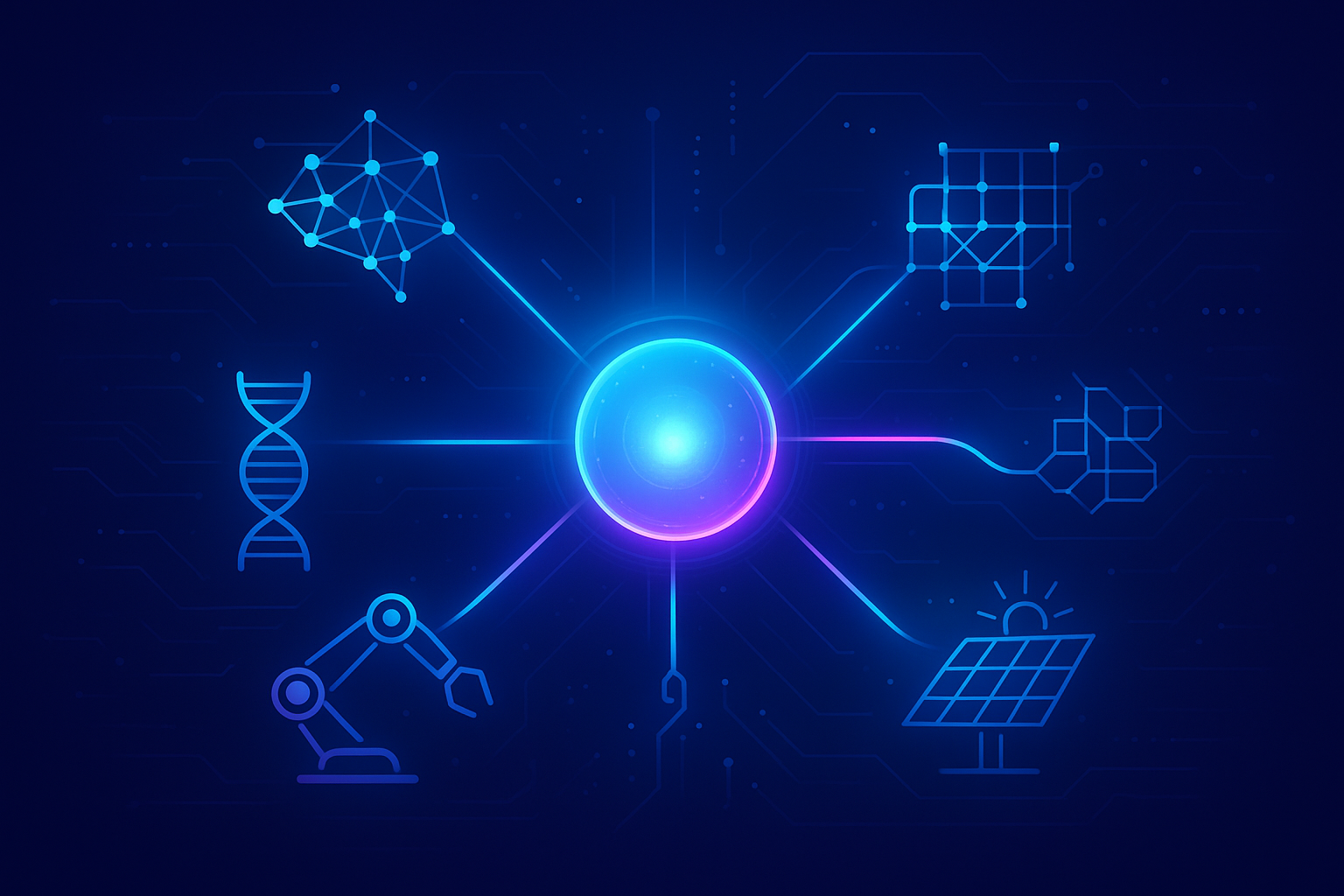
Neuromorphic computing, e-textiles, and brain-inspired systems are not isolated developments. They are part of a broader shift in how hardware is designed — moving away from rigid, power-hungry machines toward systems that are adaptive, efficient, and deeply integrated with human life.
- Neuromorphic chips could power the next generation of smart devices that think faster and consume less energy.
- E-textiles could replace bulky wearables with clothing that quietly monitors your health around the clock.
- Brain-inspired systems could give robots and medical devices the ability to reason and respond in ways that feel natural.
Together, these technologies are narrowing the gap between humans and machines — making technology feel less like a tool and more like an extension of the body and mind.
The boundary between what we wear, how we think, and how machines operate is becoming thinner with every passing year. Companies like Intel and IBM are already investing heavily in this space, and research institutions worldwide are pushing these ideas from the lab into real products.
As these technologies mature, they are expected to influence everything from personal health monitoring and autonomous vehicles to advanced prosthetics and next-generation computing infrastructure.