As nations push hard toward net-zero emissions targets, engineers are rethinking the very foundations of how energy is produced, stored, and moved. Hydrogen-powered infrastructure has emerged as one of the most significant shifts in this effort — not just as an alternative fuel, but as a complete rethinking of energy systems across power grids, transportation, and heavy industry.
Why Hydrogen Makes Engineering Sense
Hydrogen is the most abundant element in the universe. Its biggest advantage as a fuel is simple: burning hydrogen produces only water vapor, with zero carbon emissions at the point of use.
For engineers, hydrogen is more than a fuel — it functions as an energy carrier, capable of storing and transporting energy at a scale that batteries currently cannot match. Unlike electricity, hydrogen can be stored for long periods and transported across long distances.
Here is what makes hydrogen particularly attractive from an engineering standpoint:
- It can store surplus renewable energy that would otherwise go to waste
- It can power heavy industries where direct electrification is not practical
- It supports grid stabilization during periods of low renewable output
- It can replace diesel in freight trucks, trains, cargo ships, and industrial vehicles
Green, Blue, and Gray: Not All Hydrogen Is Equal
Understanding hydrogen infrastructure starts with knowing how hydrogen is produced. There are three main types currently in use or development:
| Type | Production Method | Emissions Profile |
|---|---|---|
| Gray Hydrogen | Produced from natural gas | High carbon emissions |
| Blue Hydrogen | Natural gas with carbon capture | Reduced emissions |
| Green Hydrogen | Electrolysis powered by renewables | Near-zero emissions |
The engineering focus today is firmly on green hydrogen — produced by using wind, solar, or hydropower to split water molecules into hydrogen and oxygen through electrolysis. Large-scale electrolyzer facilities are now being built globally, often placed directly alongside renewable power plants to capture excess energy that would otherwise be wasted.
Key Engineering Applications Reshaping Infrastructure
Hydrogen is already influencing how engineers design and build critical infrastructure across multiple sectors.
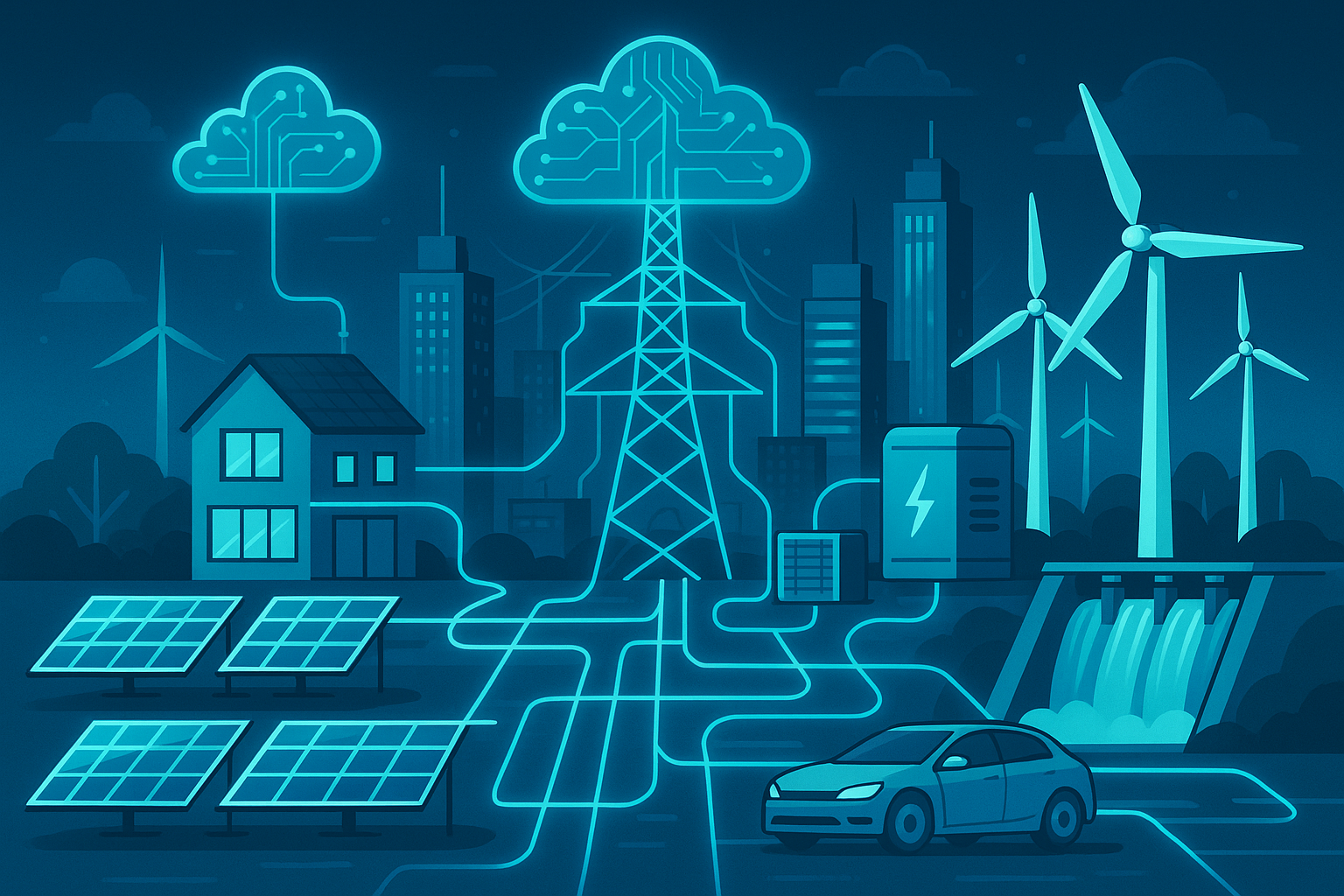
Hydrogen-Ready Power Grids: Hydrogen storage systems can serve as long-duration energy backups. When renewable energy output drops — during cloudy days or calm weather — stored hydrogen can be converted back into electricity through fuel cells or turbines. This directly addresses one of renewable energy’s most persistent problems: intermittency.
Hydrogen Pipelines and Distribution Networks: Existing natural gas pipelines are being studied for hydrogen blending. However, hydrogen molecules are smaller than natural gas molecules and can cause material embrittlement in metal pipelines over time. Engineers must redesign pipeline materials, joints, and sealing systems to handle pure hydrogen safely. Several countries are now planning dedicated hydrogen corridors to connect industrial production zones with end users.
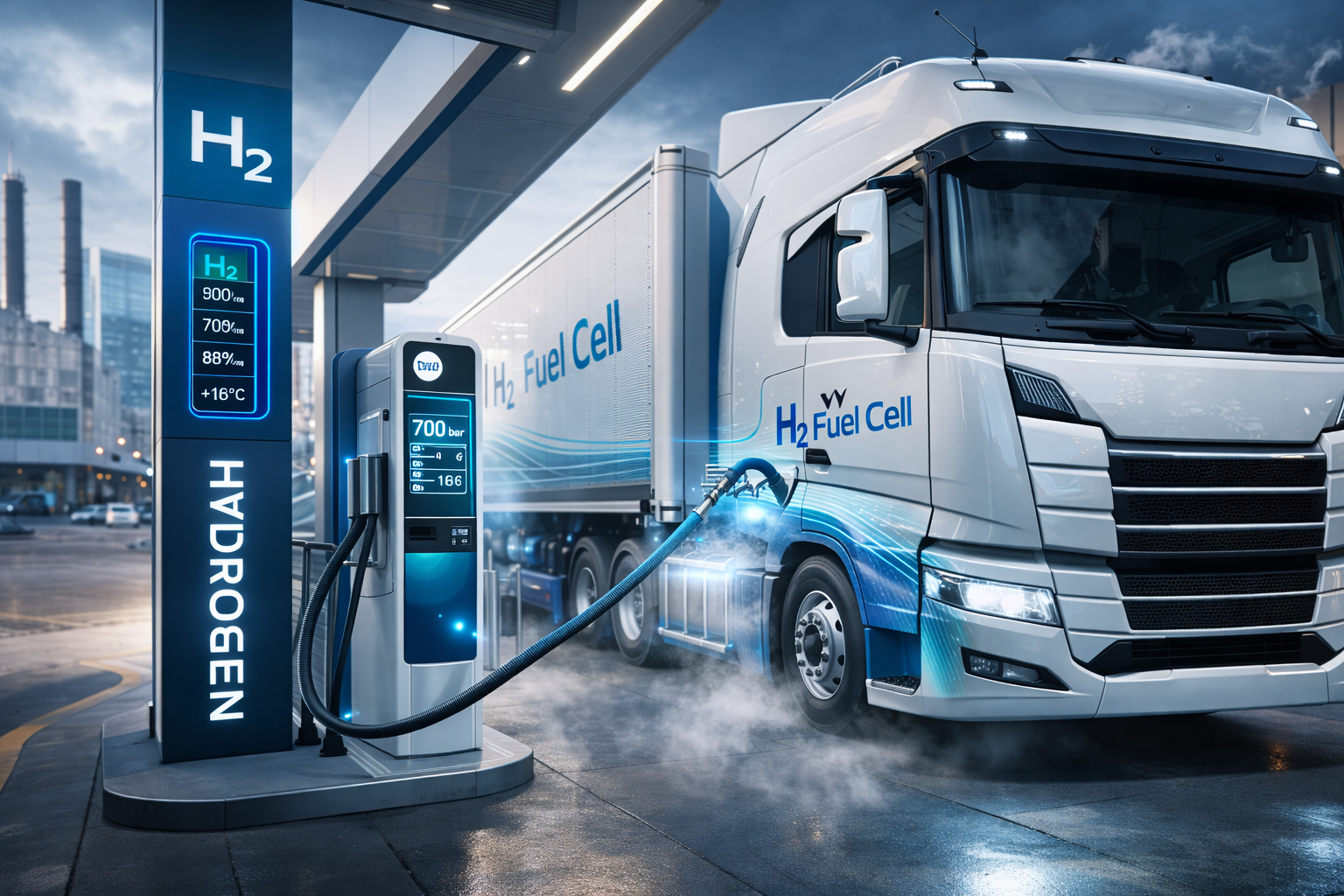
Transportation Infrastructure: Heavy-duty transport remains one of the hardest sectors to decarbonize with batteries alone. Hydrogen fuel cells are emerging as a strong alternative for freight trucks, trains, cargo ships, and large industrial vehicles. Building out high-pressure, safe, and scalable hydrogen refueling stations is now a major engineering challenge worldwide.
Industrial Decarbonization: Steel, cement, and chemical manufacturing are among the largest sources of global emissions. Hydrogen can replace coal in steelmaking processes and serve as a clean feedstock in ammonia production. Engineers are now designing hydrogen-powered industrial clusters that centralize production, storage, and distribution within single zones.
The Engineering Challenges That Still Need Solving
Despite strong momentum, hydrogen infrastructure faces real technical obstacles that engineers are actively working to overcome:
- Storage complexity: Hydrogen must be compressed to high pressures, liquefied at extremely low temperatures, or chemically bound — all of which require significant energy input
- Material durability: Hydrogen embrittlement gradually weakens metals, requiring new material standards and testing protocols
- Efficiency losses: Converting electricity to hydrogen and back to electricity involves energy losses at each step, reducing overall system efficiency
- High upfront costs: Electrolyzers, high-pressure storage tanks, and specialized transport systems remain expensive to build and maintain
The good news is that rapid scaling of production and ongoing innovation in materials science are steadily driving costs down across the hydrogen supply chain.
Smart Systems and the Future of Hydrogen Infrastructure
Next-generation hydrogen infrastructure will not operate in isolation. Engineers are designing these systems to work alongside smart energy technologies, including:
- Energy management systems driven by data analytics
- IoT-based real-time monitoring of pipelines and storage facilities
- Smart grid analytics for demand and supply balancing
- Digital twin simulations to model and optimize infrastructure performance before physical construction
Predictive maintenance tools are also being integrated to reduce downtime and improve long-term reliability of hydrogen systems.
Globally, governments and major corporations are committing billions of dollars to hydrogen roadmaps. Large-scale hydrogen hubs, export terminals, and cross-border energy corridors are already under active development. The key message from engineers and policymakers alike is that hydrogen is not replacing electricity — it is complementing it, filling the gaps that electricity grids alone cannot cover.
Looking ahead to 2035–2050, hydrogen could power industrial cities, fuel long-haul aviation, provide seasonal renewable energy storage, and support carbon-neutral heavy manufacturing at scale. For the engineering profession, this represents a generational opportunity — designing infrastructure not just to deliver power, but to enable true energy flexibility for a low-carbon world.
Conclusion
Hydrogen-powered infrastructure sits at the intersection of engineering ambition and climate necessity. The challenges are real — from storage complexity to material durability and cost — but the direction is clear. As electrolyzer costs fall, pipeline standards evolve, and smart systems mature, hydrogen is moving from a promising concept to a practical pillar of the global energy transition. Engineers who master hydrogen systems today are building the infrastructure that the world will depend on tomorrow.