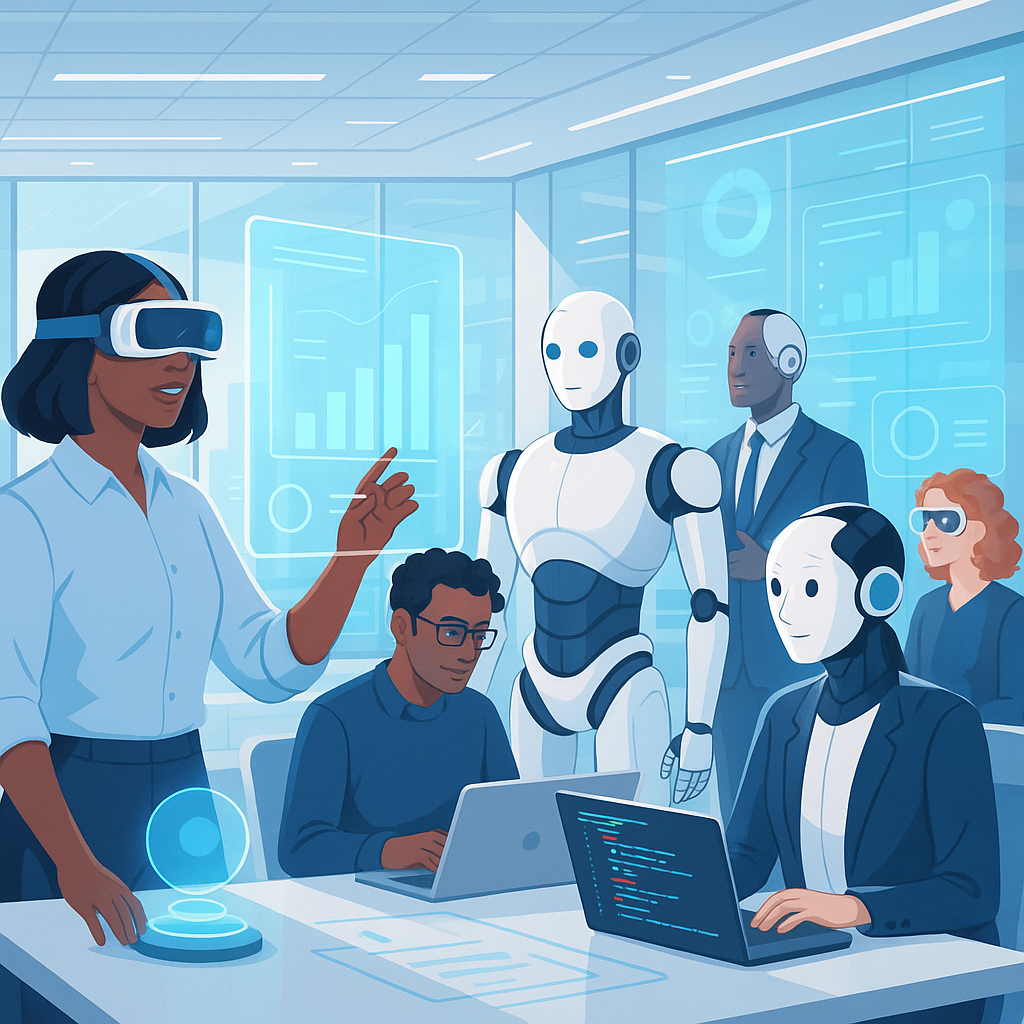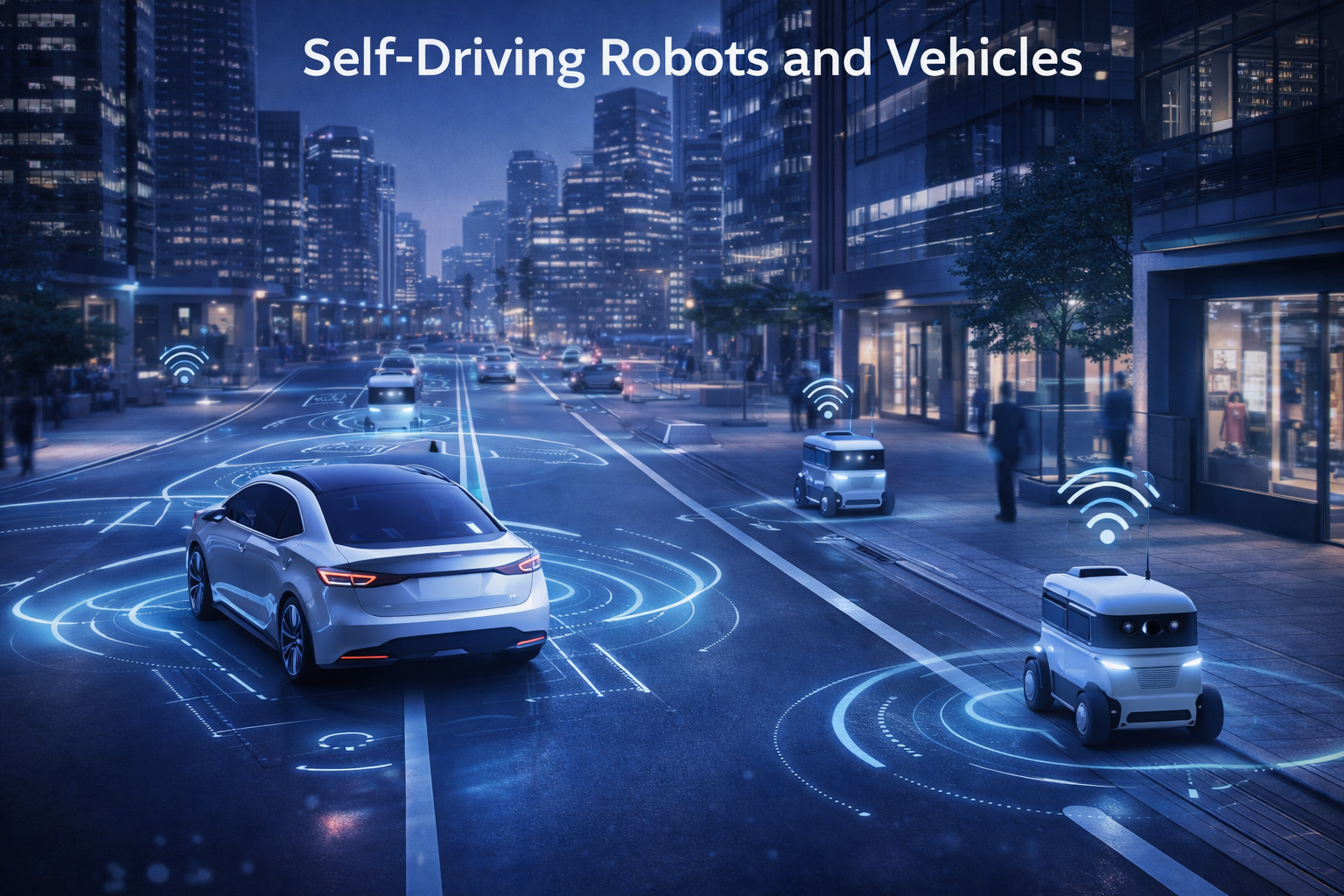
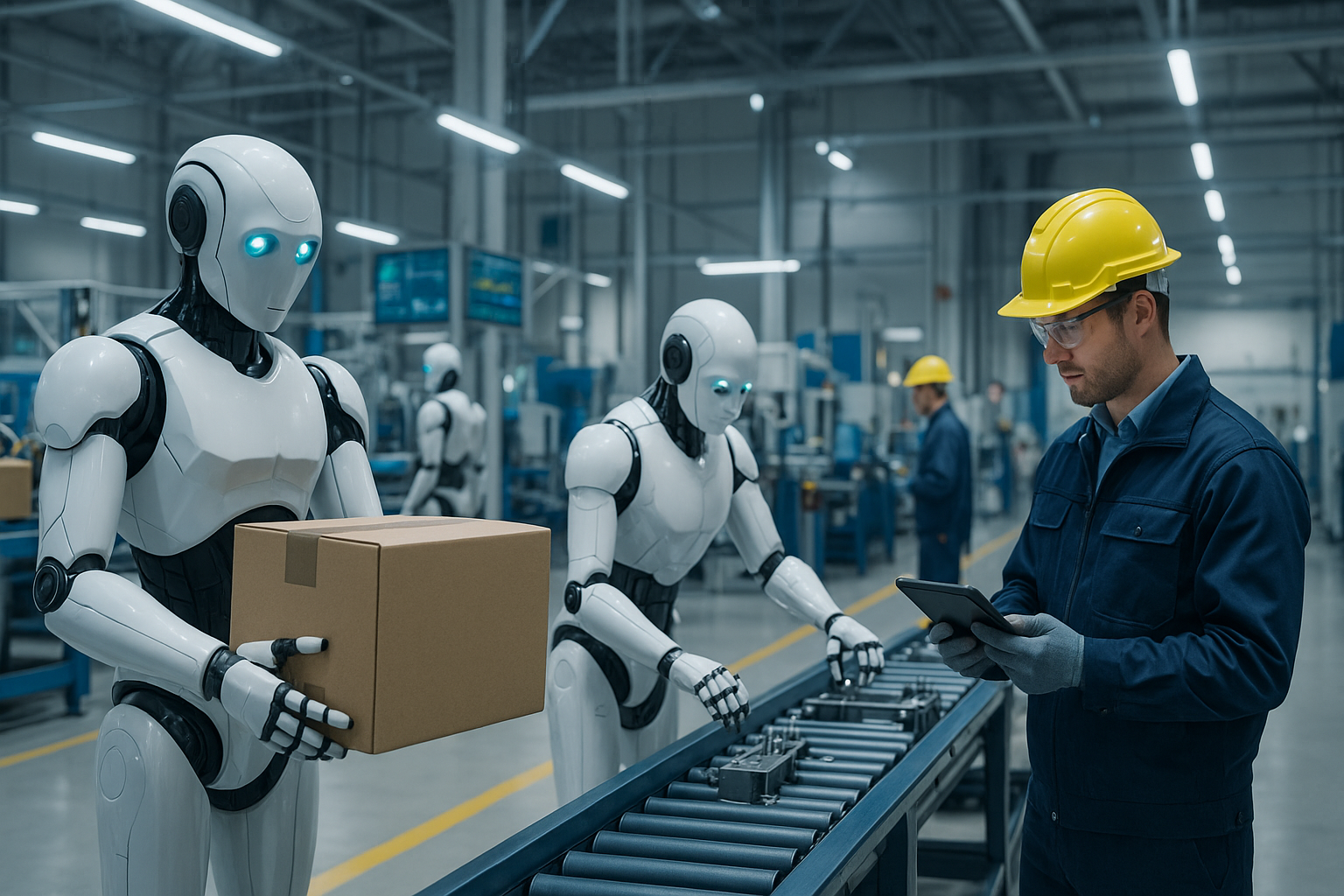
Humanoid robots have moved well beyond science fiction. In 2025, these human-shaped machines are actively working in factories, hospitals, retail stores, and public spaces across the world. From Tesla’s Optimus to the elder-care robot Grace, real-world deployment of humanoid robots is growing fast — and it is changing how industries operate.
What Exactly Are Humanoid Robots?
Humanoid robots are machines built to look and move like humans. They are designed to work in environments built for people — climbing stairs, using tools, navigating crowded spaces, and interacting with humans naturally.
Key features of humanoid robots include:
- Head, arms, and legs for human-like movement
- Cameras that act as eyes to see and process surroundings
- Motors and sensors that allow them to respond to their environment
- Voice and language processing to communicate with people
Because they are shaped like humans, these robots can operate in spaces already designed for people — without needing major infrastructure changes.
Where Are Humanoid Robots Being Deployed in 2025?
Several industries are already putting humanoid robots to work. Here is a look at where they are making the biggest impact:
| Sector | Robot Examples | Key Tasks |
|---|---|---|
| Factories and Warehouses | Tesla Optimus, Hyundai Atlas | Moving items, assembly support, repetitive tasks |
| Retail and Malls | Various commercial robots | Customer greetings, multilingual queries, floor cleaning |
| Hospitals and Elder Care | Grace | Medication reminders, mobility help, companionship |
| Schools and Public Events | Various humanoid models | Navigation assistance, speeches, event engagement |
Factories, Hospitals, and Stores: A Closer Look
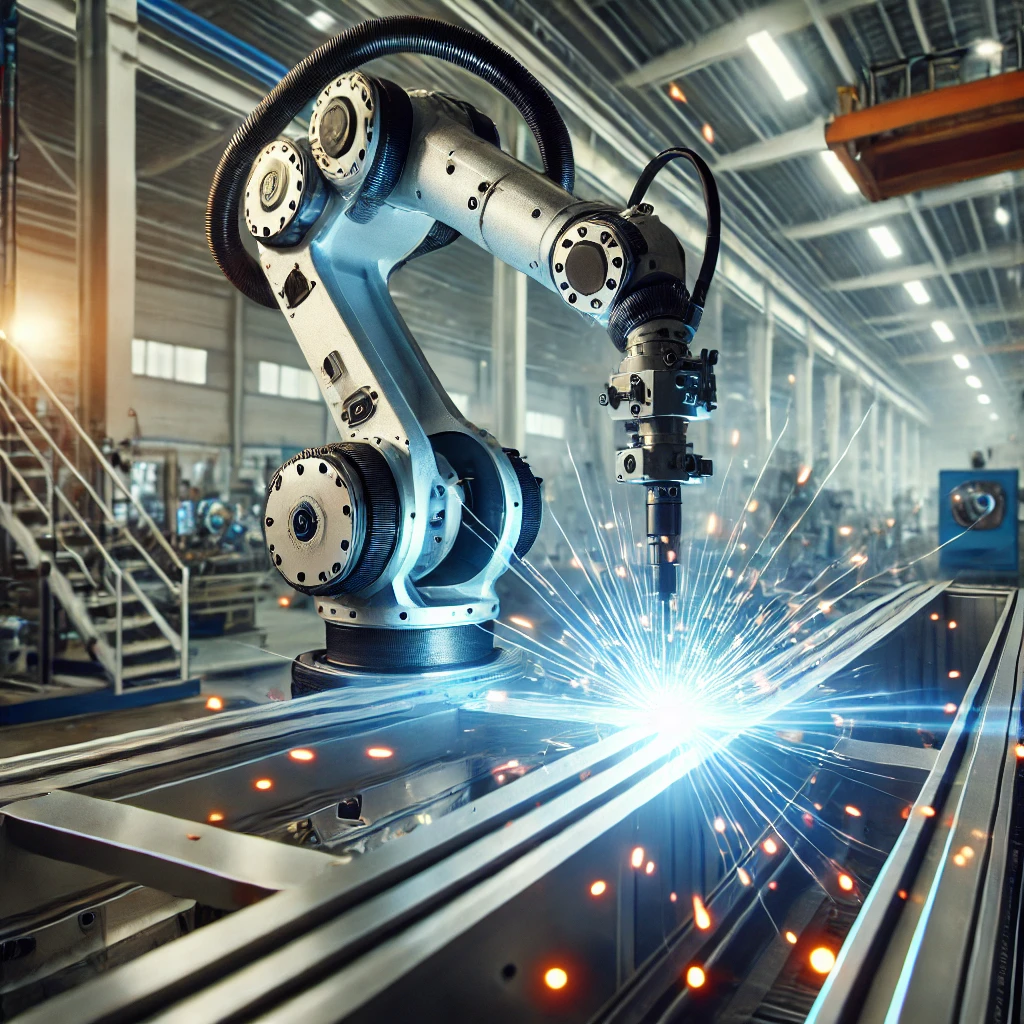
Factories and Warehouses: Robots like Tesla’s Optimus and Hyundai’s Atlas are being tested and deployed on factory floors. They carry materials, assist in product assembly, and handle repetitive tasks that are physically tiring or monotonous for human workers. This helps boost production rates while reducing worker fatigue.
Retail Stores and Malls: Some stores now use humanoid robots to greet customers, answer questions in multiple languages, guide shoppers to products, and even clean floors. This improves the overall shopping experience and reduces pressure on human staff during busy hours.
Hospitals and Elder Care: One of the most meaningful applications is in healthcare. Robots like Grace — built specifically for elder care — help patients remember medication schedules, assist with mobility, and provide conversation to reduce loneliness. As populations age globally, this use case is becoming increasingly important.
Schools and Public Events: In countries like China, humanoid robots are appearing at graduation ceremonies, tech fairs, libraries, and airports. They give directions, interact with visitors, and in some cases even deliver speeches — making public spaces more interactive and accessible.
Why Is the Adoption of Humanoid Robots Growing So Quickly?
Several factors are driving the rapid rise of humanoid robots in real-world settings:
- Smarter technology: Advances in artificial intelligence allow robots to understand speech, process images, and make decisions in real time — making them far more capable than earlier generations.
- Better movement: Modern humanoid robots can walk on uneven surfaces, climb stairs, and navigate around people with much greater stability and precision.
- Labour shortages: Many industries are struggling to find enough workers. Humanoid robots are filling these gaps in sectors like manufacturing, logistics, and caregiving.
- Robotics-as-a-Service (RaaS): Businesses can now rent robots on a monthly subscription model instead of buying them outright. This makes humanoid robots accessible even for smaller companies with limited budgets.
Will Humanoid Robots Replace Human Jobs?
This is one of the most common concerns — and the answer, based on current deployment trends, is nuanced. Humanoid robots are primarily being used to handle tasks that are:
- Physically dangerous or risky for humans
- Repetitive and mentally draining
- Requiring heavy lifting or sustained physical effort
The goal is to free up human workers to focus on creative, strategic, and emotionally complex tasks that robots cannot perform. In elder care, for example, robots handle routine check-ins while human caregivers focus on emotional support and complex medical decisions.
That said, the long-term impact on employment will depend on how quickly the technology scales and how governments and businesses manage the transition for workers in affected industries.
In 2025, humanoid robots are best understood as tools that work alongside humans — not replacements for them. Their deployment is still in early stages in most sectors, and significant human oversight remains essential.