
Every software team faces bugs. How quickly and efficiently those bugs get fixed often determines whether a product succeeds or fails. A reliable bug tracking system gives development teams the structure they need to catch issues early, assign responsibility, and ship better software. Here is a complete guide to understanding bug tracking, its key features, benefits, and best practices.
What Is a Bug Tracker and Why Does It Matter?
A bug tracker — also called an issue tracker or defect tracking system — is a centralized tool that helps development teams record, monitor, and resolve software problems. Instead of relying on scattered emails or chat messages, teams get a single platform where every bug is logged, assigned, and tracked from discovery to resolution.
Without a proper bug tracking system, issues can slip through the cracks. Critical defects may go unnoticed until they reach production, causing poor user experiences and damaging a product’s reputation. A good bug tracker ensures nothing gets overlooked and every team member knows exactly what needs to be fixed.
Key Features to Look for in a Bug Tracker
Not all bug trackers are built the same. The best ones offer a combination of features that support the entire development lifecycle. Here are the most important ones:
- Issue Creation and Assignment: Quickly log bugs and assign them to the right team members so accountability is clear from the start.
- Prioritization: Rank bugs by severity and impact so teams address the most critical problems first.
- Workflow Management: Build custom workflows that track a bug from the moment it is reported to the moment it is resolved.
- Collaboration Tools: Allow developers, testers, and product managers to communicate directly within each bug report, speeding up resolution.
- Reporting and Analytics: Generate reports that reveal bug patterns, recurring issues, and overall software health trends.
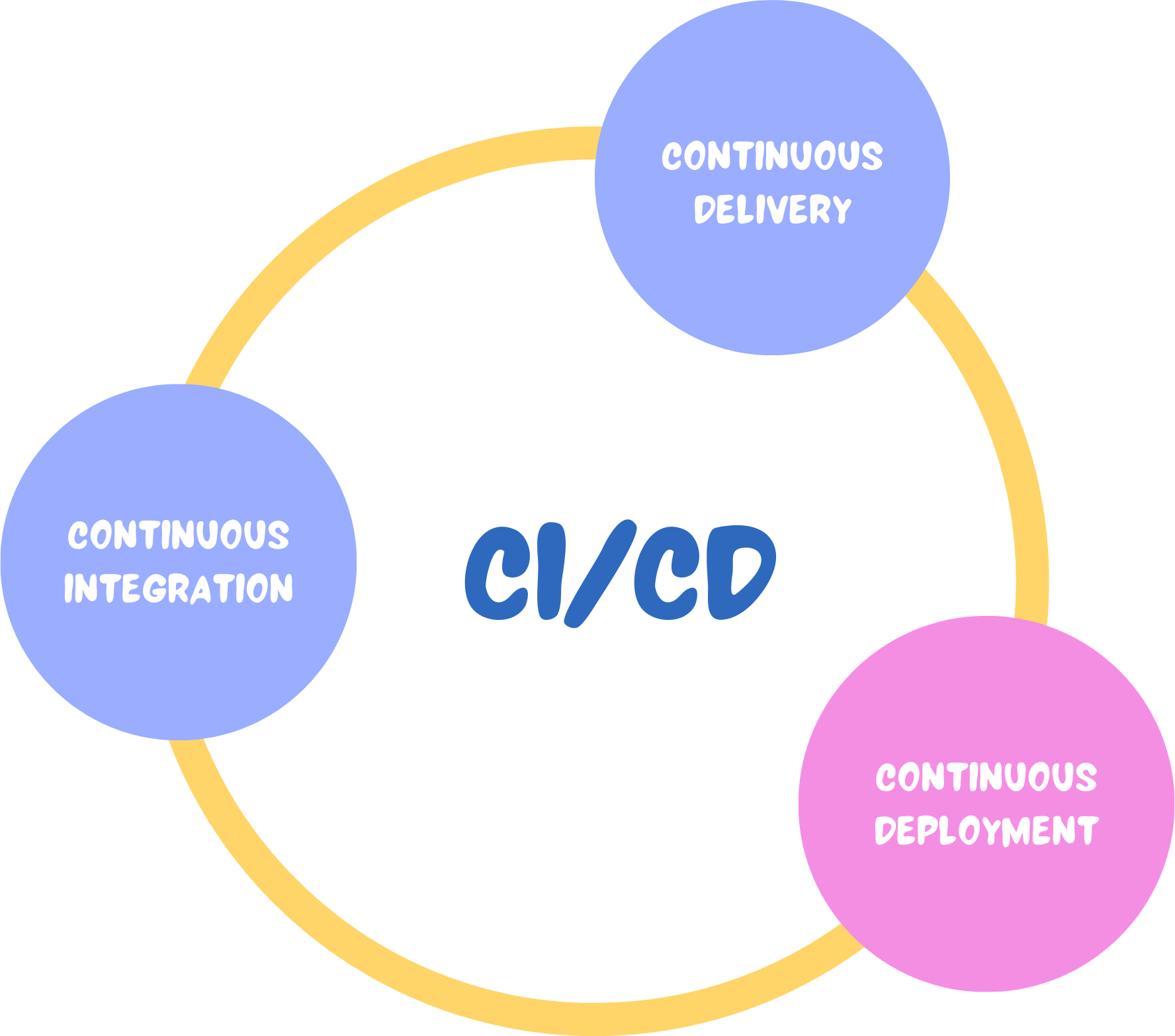
- Integration Support: Connect with version control systems, project management platforms, and CI/CD pipelines for a connected development process.
Benefits of Using a Bug Tracking System
Investing in a proper bug tracking tool pays off in multiple ways. Here is a quick look at the core advantages:
- Higher Productivity: Streamlined bug reporting and resolution saves time for the entire team.
- Better Team Collaboration: Bridges the gap between development and QA teams with shared visibility.
- Improved Product Quality: Fewer bugs reach production when issues are caught and fixed early.
- Actionable Insights: Analytics highlight trends that help teams prevent future bugs.
- Stronger Customer Satisfaction: Faster resolution of reported problems leads to happier users.
| Feature | Benefit |
|---|---|
| Issue Assignment | Clear ownership and accountability |
| Prioritization | Critical bugs fixed before minor ones |
| Workflow Management | Full visibility into bug lifecycle |
| Reporting and Analytics | Data-driven quality improvements |
| Tool Integration | Smooth connection with dev tools |
Best Practices for Effective Bug Tracking
Having the right tool is only half the battle. How your team uses it matters just as much. Follow these best practices to get the most out of your bug tracking process:
- Write Clear Bug Reports: Include full details such as steps to reproduce the issue, expected behavior, actual behavior, and relevant screenshots or logs.
- Set Priority Levels: Assign each bug a priority based on its impact and urgency so the team always knows what to work on next.
- Hold Regular Triage Meetings: Schedule bug triage sessions to review, rank, and reassign issues as needed.
- Use Custom Fields: Capture extra details like the affected environment, software version, and responsible team to make bugs easier to diagnose.
- Analyze Reports Regularly: Study bug patterns over time to identify recurring problems and areas of the codebase that need attention.
How to Choose the Right Bug Tracker for Your Team
The best bug tracker for your team depends on several factors. Consider the following before making a decision:
- Team Size: Smaller teams may need a lightweight tool, while larger organizations require enterprise-grade features.
- Project Complexity: Complex projects with multiple modules benefit from advanced workflow customization.
- Ease of Use: A tool that is hard to use will slow adoption across the team.
- Scalability: Choose a platform that can grow as your team and product expand.
- Integration Compatibility: Make sure the tracker works with your existing tools like GitHub, Jira, or Jenkins.
- Cost: Balance features against budget, especially for startups and small teams.
Popular bug tracking tools used by development teams worldwide include Jira, Bugzilla, MantisBT, Linear, and GitHub Issues. Each has its own strengths depending on the type of project and team structure.
In conclusion, bug tracking is not just a technical necessity — it is a strategic advantage. Teams that invest in a solid bug tracking process deliver higher quality software, reduce production incidents, and build stronger products over time. Whether you are a startup or an established software company, the right bug tracker can make a measurable difference in how your team performs.