Wearable technology has moved well beyond simple step counting. Today, fitness trackers, smartwatches, and heart rate monitors are helping athletes and everyday fitness enthusiasts train smarter, recover faster, and stay injury-free. Whether you are a professional sportsperson or someone who just wants to stay active, wearable devices are changing the way you approach health and performance.
What Are Wearable Devices and How Do They Work?
Wearable devices are compact gadgets designed to be worn on the body during physical activity. Common examples include fitness bands, smartwatches, GPS trackers, and heart rate monitors. These devices use built-in sensors to collect real-time data about your body and movement.
Key metrics that wearables typically track include:
- Step count and distance covered
- Heart rate and heart rate zones
- Calories burned during activity
- Sleep quality and recovery status
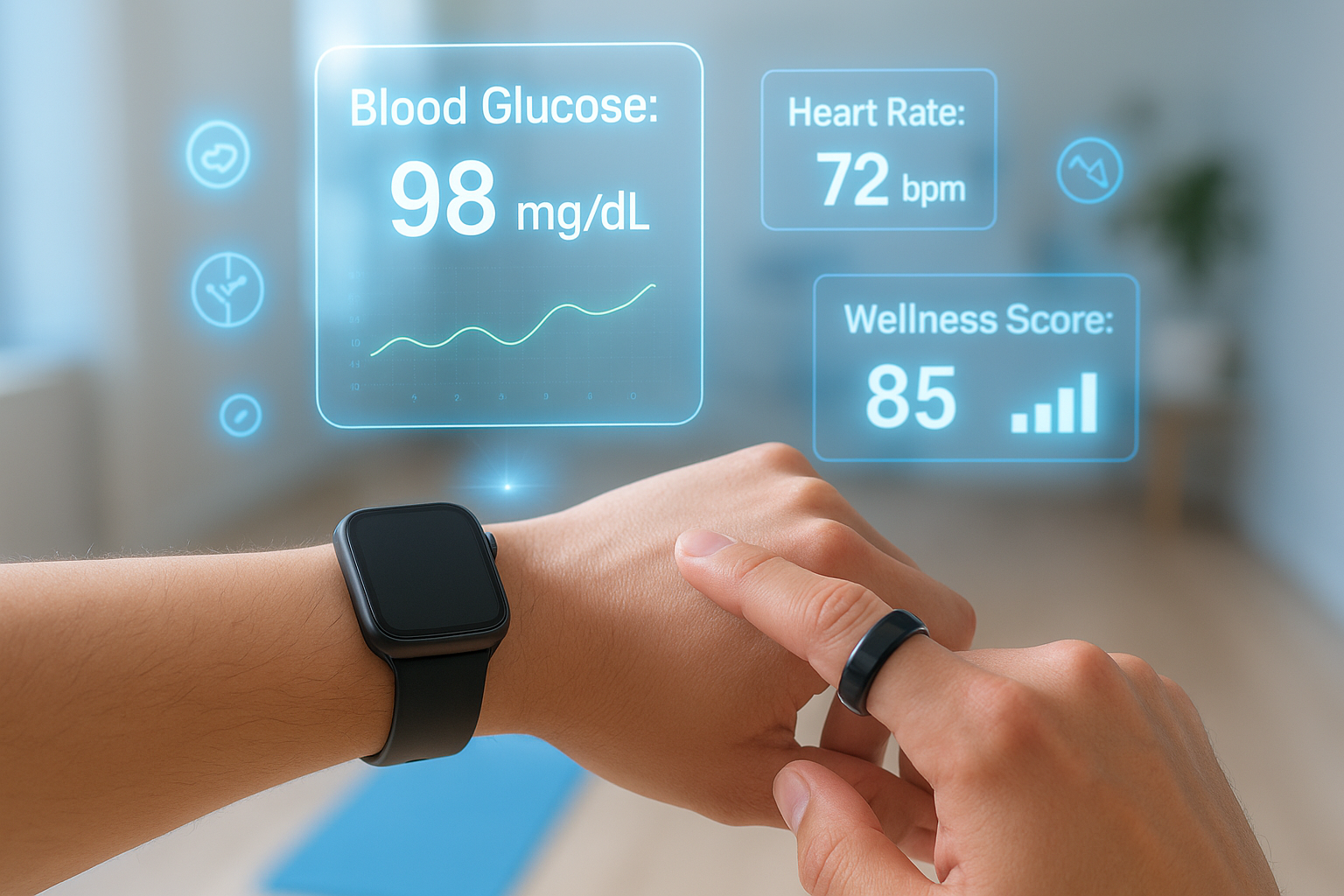
- Blood oxygen levels and stress indicators
This data is synced to a smartphone app or dashboard, giving users a clear picture of their physical health over time.
Real-Time Performance Tracking During Workouts
One of the biggest advantages of wearable devices is the ability to monitor your body in real time while you exercise. You no longer have to guess whether you are pushing too hard or not hard enough.
- Instant feedback: You can check your heart rate, pace, or distance at any moment during a run or gym session. This allows you to adjust your intensity on the spot.
- Smarter effort management: If your heart rate spikes beyond a safe zone, your device can alert you to slow down. This prevents overexertion and helps you stay in the right training zone for your fitness goals.
This kind of real-time awareness was once available only to elite athletes with dedicated coaches. Wearables have made it accessible to everyone.
Personalized Training Plans and Progress Tracking
Wearable devices do not offer a one-size-fits-all approach. They use your personal data, including your age, weight, fitness level, and past workout history, to suggest exercises and training plans suited to your specific needs.
- Custom workout suggestions: Based on your fitness profile, wearables can recommend the right type, duration, and intensity of exercise for your goals.
- Long-term progress monitoring: Every workout is logged automatically. Over weeks and months, you can clearly see improvements in speed, endurance, strength, or weight loss, which keeps motivation high.
- Goal setting and milestones: Most wearable apps let you set targets, such as running a certain distance or burning a set number of calories per week, and track how close you are to achieving them.
Injury Prevention and Recovery Monitoring
Wearables are not just about pushing performance. They also play an important role in keeping your body safe and helping it recover properly.
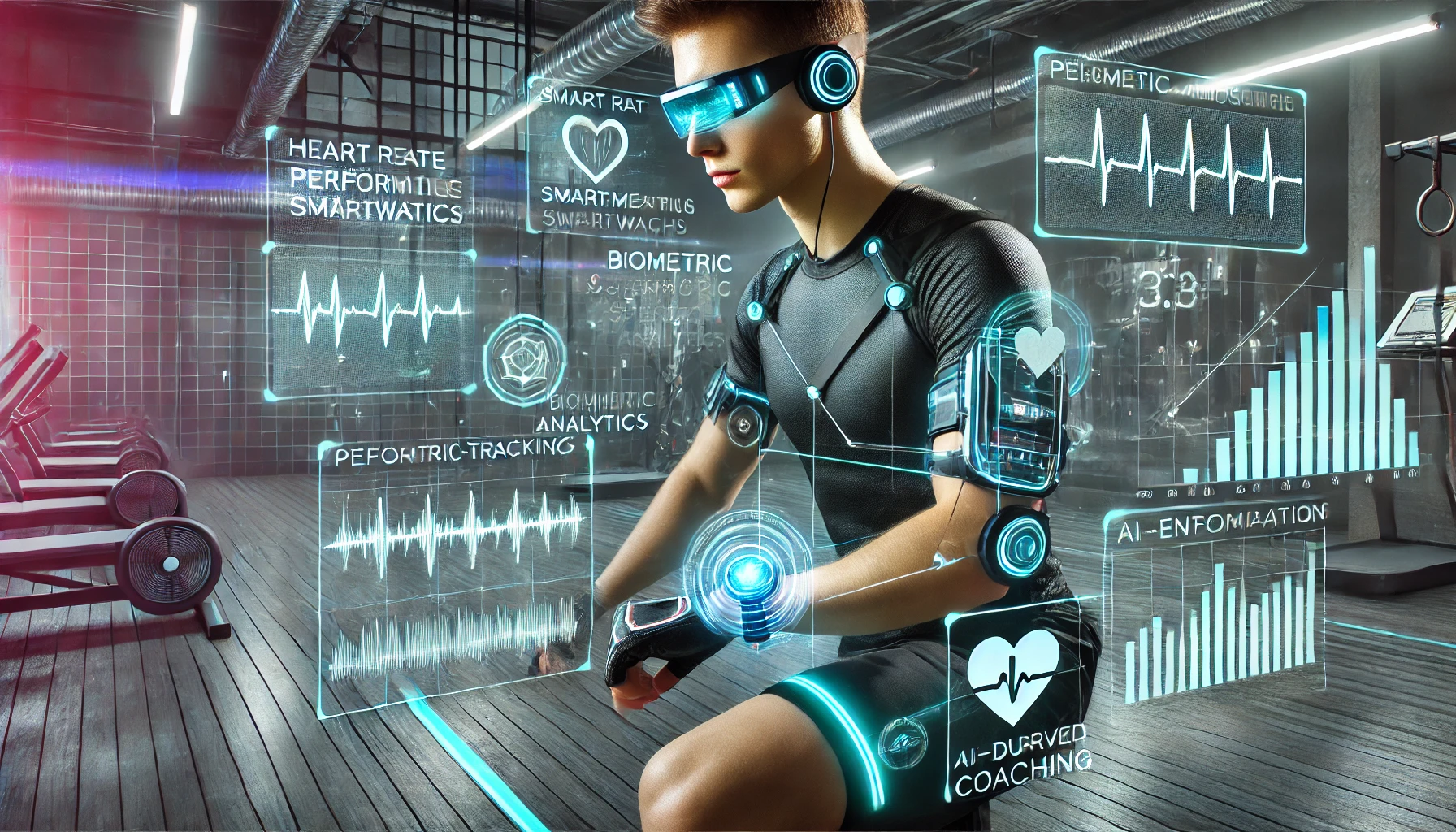
- Movement and posture tracking: Some advanced wearables monitor your body mechanics during exercise. If your running form or lifting posture is off, the device can alert you before a small issue becomes a serious injury.
- Recovery insights: By tracking sleep patterns, resting heart rate, and recovery scores, wearables help you understand when your body is ready for another intense session and when it needs more rest.
- Preventing overtraining: Overtraining is a common problem among fitness enthusiasts. Wearables provide data-backed signals that tell you when to ease up, reducing the risk of burnout or long-term injury.
Wearables in Professional Sports and Team Training
Professional sports teams across cricket, football, basketball, and athletics have adopted wearable technology as a core part of their training programs.
| Use Case | Benefit |
|---|---|
| Individual athlete tracking | Monitors speed, distance, and heart rate during matches and training |
| Team performance analysis | Coaches identify weak links and build better game strategies |
| Customized player training | Training plans tailored to each player’s strengths and weaknesses |
| Recovery management | Tracks sleep, hydration, and stress to ensure peak readiness |
Coaches can now make decisions backed by real data rather than relying solely on observation. This has raised the standard of training across many sports disciplines.
What the Future Holds for Wearable Fitness Technology
The wearable technology space is growing rapidly, and the next few years are expected to bring some significant changes.
- Smart clothing: Researchers and tech companies are developing garments with embedded sensors, including smart shirts, shorts, and socks, that can track muscle activity, body temperature, and movement without the need for a separate device.
- Advanced health monitoring: Future wearables may be able to monitor blood glucose levels, hydration status, and even early signs of illness, making them useful beyond fitness alone.
- Deeper data integration: As wearables collect more data, apps will become better at turning that data into clear, actionable advice for workouts, nutrition, and rest, helping users make better decisions every day.
Wearable devices have already changed the way millions of people train and stay fit. As the technology becomes more advanced and affordable, its impact on both amateur fitness and professional sports will only grow stronger. Whether you are chasing a personal best or simply trying to stay healthy, a wearable device can be a practical and powerful tool in your fitness journey.